The Szépasszony Valley
The Valley of the Beautiful Woman sits near Eger, a place where the hills dip and rise under vineyards and orchards. Its name comes from a local legend: a woman of striking beauty once lived here, then vanished, leaving only the scent of wildflowers and the sound of wind in the grass. The story may be just that—a story—but the valley still feels like a secret, the kind you stumble upon when you least expect it.
Here, the land does the talking. No crowds, no tour buses, just paths winding through rows of grapevines, a stream murmuring in the distance, and the occasional call of a bird. The slopes are gentle, covered in wildflowers in spring and gold in autumn. Summer brings the smell of ripe fruit and cut grass, while winter quiets everything, turning the valley into a place for slow walks and long thoughts.
The valley’s history is tied to wine. Benedictine monks planted the first vineyards in the Middle Ages, recognizing the soil’s potential. By the 16th and 17th centuries, the area was producing wines shipped beyond Hungary’s borders. The most famous is *Egri Bikavér*, or Bull’s Blood, a red blend still made by local winemakers. Today, small family-run vineyards dot the landscape, many using traditional methods. Some offer tastings, letting visitors sample the wines and hear how the craft has changed—or stayed the same—over time.
The buildings here are simple. Houses made of local stone and wood, their red-tiled roofs often tangled with grapevines. Many have stood for centuries, still home to the families who work the land. In the villages, you’ll find old cellars carved into rock and tiny chapels where farmers once prayed. The Chapel of St. Donatus, patron saint of winemakers, sits on a hill, its plain facade visible from afar. Inside, the space is small, a reminder of how closely faith and labor have always been linked here.
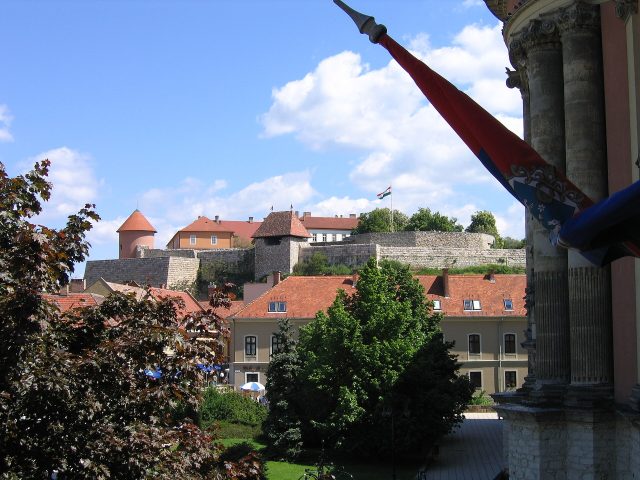
The valley is also a good base for exploring. Eger is nearby, a town where history feels alive in its streets and buildings. The fortress, with its layers of stories, and the old town’s Baroque lanes are worth seeing. But after the city’s noise, the valley’s quiet feels like a return to something real.
For those who want to move, there are walking and cycling routes. One leads to Nagy-Eged Hill, where the climb rewards you with views of endless vineyards stretching toward the horizon. The trail isn’t hard, but it’s not easy either—especially the steeper parts. If you’d rather take it slow, there are paths along streams or through orchards, where you can pick fruit in season.
The valley’s festivals are for the people who live here. Winemaker’s Day in September celebrates the harvest with music, dancing, and food. Stalls sell homemade preserves, fresh bread, and the season’s first wine. In November, St. Martin’s Day brings new wine and roasted goose, a tradition centuries old. Bonfires are lit, and neighbors gather to talk and share warmth. These aren’t performances—they’re the rhythm of life in the valley.
You won’t find luxury here, but you will find small guesthouses and farm stays. Some offer vineyard tours, tastings, or cooking classes where you can learn to make dishes like *lecsó*, a stew of peppers, tomatoes, and onions, or goulash cooked over an open fire. The food is simple, made from what’s fresh and local.
What makes this place different isn’t what it has, but what it doesn’t. No grand hotels, no elaborate attractions—just a quiet that feels almost sacred. It’s the kind of place you return to because you want to walk those paths again, breathe in the scent of the vineyards, and remember what it’s like to slow down. Maybe that’s why people keep coming back: to feel, for a little while, like they’re part of something that doesn’t rush.