Eger’s Basilica of St. John the Apostle and Evangelist
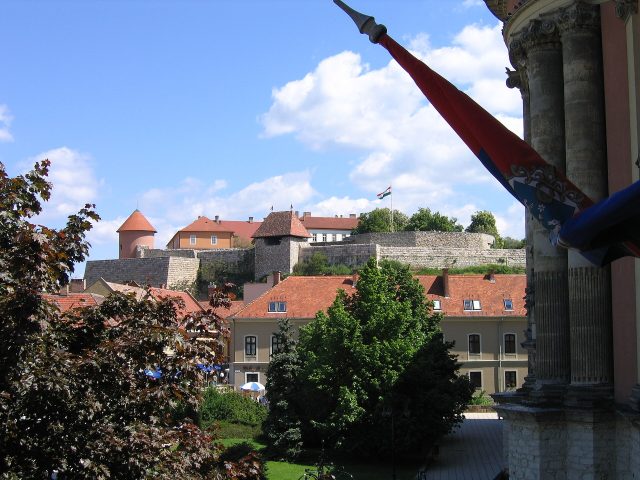
Eger’s Basilica of St. John the Apostle and Evangelist sits on a hill in the city’s center. Its white walls and domes stand out against the red-tiled roofs below. Unlike Budapest’s grand cathedrals or the medieval churches of Western Europe, this basilica feels like a quiet guardian of Hungary’s past—a time when the nation was rebuilding after centuries of foreign rule.
The basilica was built in the early 19th century, a period of change for Eger and Hungary. The city had moved beyond its role as a fortress, and the country, freed from Ottoman occupation, sought new symbols of identity. Architect József Hild, known for his neoclassical designs, was commissioned to create more than a church. He drew from Roman basilicas but adapted their forms to fit Hungary. The result is a structure of imposing columns and clean lines, its interior spacious yet restrained. Construction lasted nearly two decades, and when consecrated in 1837, it became Hungary’s largest church, even surpassing Budapest’s St. Stephen’s Basilica.
Inside, the basilica avoids opulence. High vaults and columns guide the eye toward the altar, where light from stained glass touches statues and frescoes. The main altar honors St. John, Eger’s patron saint, a choice reflecting the city’s Christian roots. During Ottoman rule, the church was a center of resistance, and that legacy remains in its quiet dignity. Local 19th-century artists contributed altar paintings—less famous than those by Italian or German masters but sincere in their craft.
The crypt is one of the basilica’s most intriguing spaces.
Bishops of the Eger diocese are buried here. Few tourists visit, yet the crypt offers a direct link to the city’s history. Black marble tombs mark the resting places of men who shaped the region—some were revolutionaries in 1848, others were pastors whose names have faded. The crypt shows how the basilica connects national history with individual lives.
From the outside, the basilica looks austere. Walk around it, though, and details emerge. Niches on the side facades hold statues of saints. The rear courtyard has remnants of the old bishop’s residence. A small garden attracts locals in warmer months, who sit on benches and look at the walls. Eger moves at an unhurried pace, and the basilica fits into that rhythm.
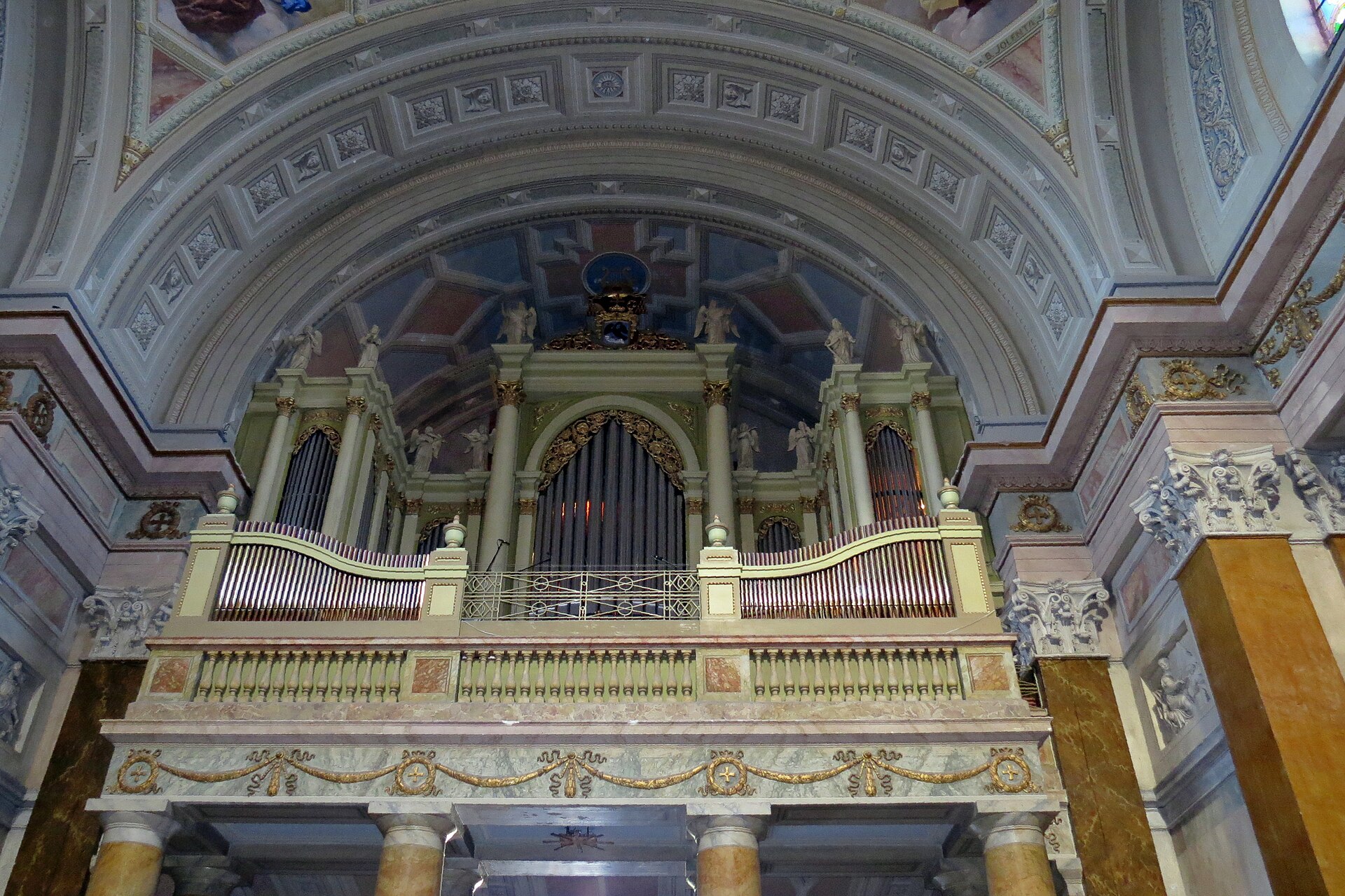
The basilica has also shaped Eger’s cultural life. In the 19th century, it hosted organ concerts. During World War II, it sheltered residents. Today, the organ’s notes fill the nave during services or rehearsals. The sound suits the space, deepening the atmosphere. Attending a Sunday mass here can be moving—the setting turns even a simple performance into something memorable.
The basilica’s strength is its lack of pretension. It isn’t as ornate as Western Europe’s cathedrals or as mysterious as the Balkans’ ancient churches. For nearly two centuries, it has served Eger as a place of worship and a symbol of the city. It asks only for time and attention, offering in return a sense of how history and the present coexist.