Mutare Memorial Park in Rusape is a quiet place where history lingers. Tucked in the foothills of Zimbabwe’s Eastern Highlands, it has no crowds or grand monuments. Neat rows of granite slabs stretch beneath old trees, each marking a life lost during the country’s struggle for independence. Though named after Mutare, the park is in Rusape—a town that was a junction for guerrilla fighters moving through the region.
The memorial’s design is simple. A central pathway leads to a tall obelisk clad in black marble, its surface etched with names. Smaller plaques around it describe battles and moments from the war. On most days, the only sounds are leaves rustling and birds calling. Once a year, during Heroes’ Day, families and veterans gather to pay respects. The rest of the time, it’s a place for quiet reflection.
Why does this matter?
Rusape is a town most travelers pass through on the way between Harare and Mutare. But its location gives the memorial weight. During the war, this valley was a staging ground for guerrilla operations and a burial site for those who fell. There are no museums or exhibits—just the land, which holds the stories. Visitors come to honor the dead and to understand the cost of Zimbabwe’s independence.
The memorial doesn’t rely on grandeur. No towering statues or dramatic inscriptions—just well-tended lawns, trimmed hedges, and benches. The names on the plaques are brief, but each represents a life cut short. Some have faded photographs, their edges worn by time. It doesn’t demand attention but invites contemplation.
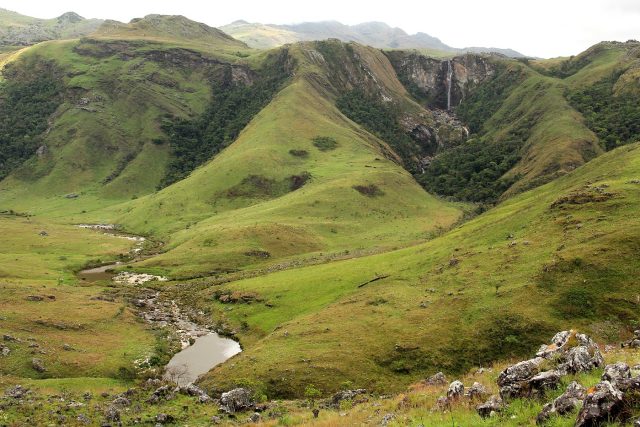
Beyond the memorial, the landscape opens into rolling fields and homesteads. Farmers grow maize and tobacco. In the early mornings, mist drifts across the valley. For locals, the park is part of daily life—people walk their children here or meet under the trees. For visitors, it’s where history feels real, even when it’s painful.
Zimbabwe isn’t known for war memorials, and this isn’t one of its most visited sites. That’s part of why it works. No souvenir stalls, no guided tours, no grand narratives—just memory in stone and silence. For some, it’s a place of mourning. For others, a history lesson. For a few, a quiet corner to be alone with their thoughts. The park doesn’t exist to impress. It exists to remind.