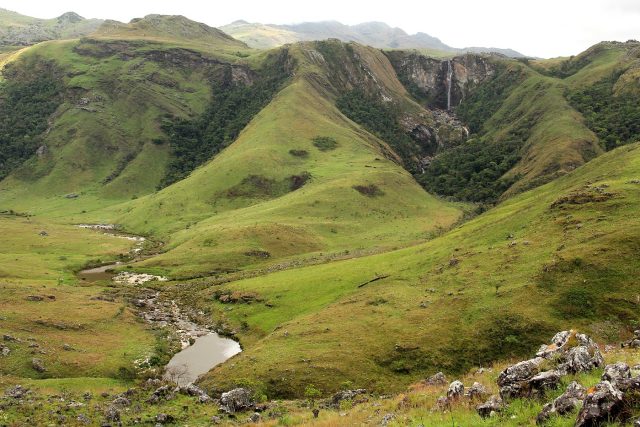
Rusape Dam
Rusape Dam sits quietly near the eastern Zimbabwean town of Rusape. At first, it looks like any other reservoir—built for irrigation and water supply, serving farms and communities. But something about it stays with you. The water lies still under soft hills, offering a calm few places can match.
The dam dates back to the mid-20th century, when Zimbabwe was still Southern Rhodesia. In the 1950s and 60s, agriculture expanded, and so did the need for water. The Rusape River was dammed, reshaping the land into something both useful and lasting. Over time, the area grew into a small ecosystem, and the dam became more than just concrete and water. It turned into a place where people come to escape the heat.
The dam’s design is simple. A concrete wall holds back the water, fitting naturally into the landscape. From the top, the reservoir stretches for kilometres, its surface reflecting the sky and hills on clear days. There are no grand views here—just a quiet balance that reveals itself if you pay attention.
For locals, the dam is part of everyday life. In summer, families gather to swim, picnic, or fish. When the rains come, the reservoir fills, and the banks turn green. Fishermen know the shoreline well, the best spots to cast a line. Few outsiders visit, and that’s the point. There’s no crowd, just space to sit by the water, listening to waves and watching birds.
The land around the dam is open and understated. Rolling hills covered in dry grass and scattered trees stretch in every direction. Acacia and mimosa groves dot the area, while reeds line the water’s edge. Sometimes, antelope or warthogs come to drink, especially when other water sources dry up. The dam sustains not just people but wildlife too.
It also plays a key role in the region. The reservoir supplies water to farms and settlements, especially during the dry season when rivers shrink. In a place where water can be scarce, Rusape Dam is essential—a reminder that human needs and nature can coexist without one overpowering the other.
If you’re not looking for tourist spots, Rusape Dam offers something else. No museums, no tours, no attractions. Just the chance to slow down. You could hire a boat from a local fisherman and drift across the water, watching how the light changes as the day passes. Or spend an afternoon on the shore, reading or listening to the wind.
Time feels different here. Mornings start with mist over the water, burning off as the sun rises. By midday, the air smells of grass and earth. In the evening, stars appear above the hills. Rusape Dam doesn’t ask for admiration. It doesn’t need to. Its quiet presence is enough—a place to step away and just be.