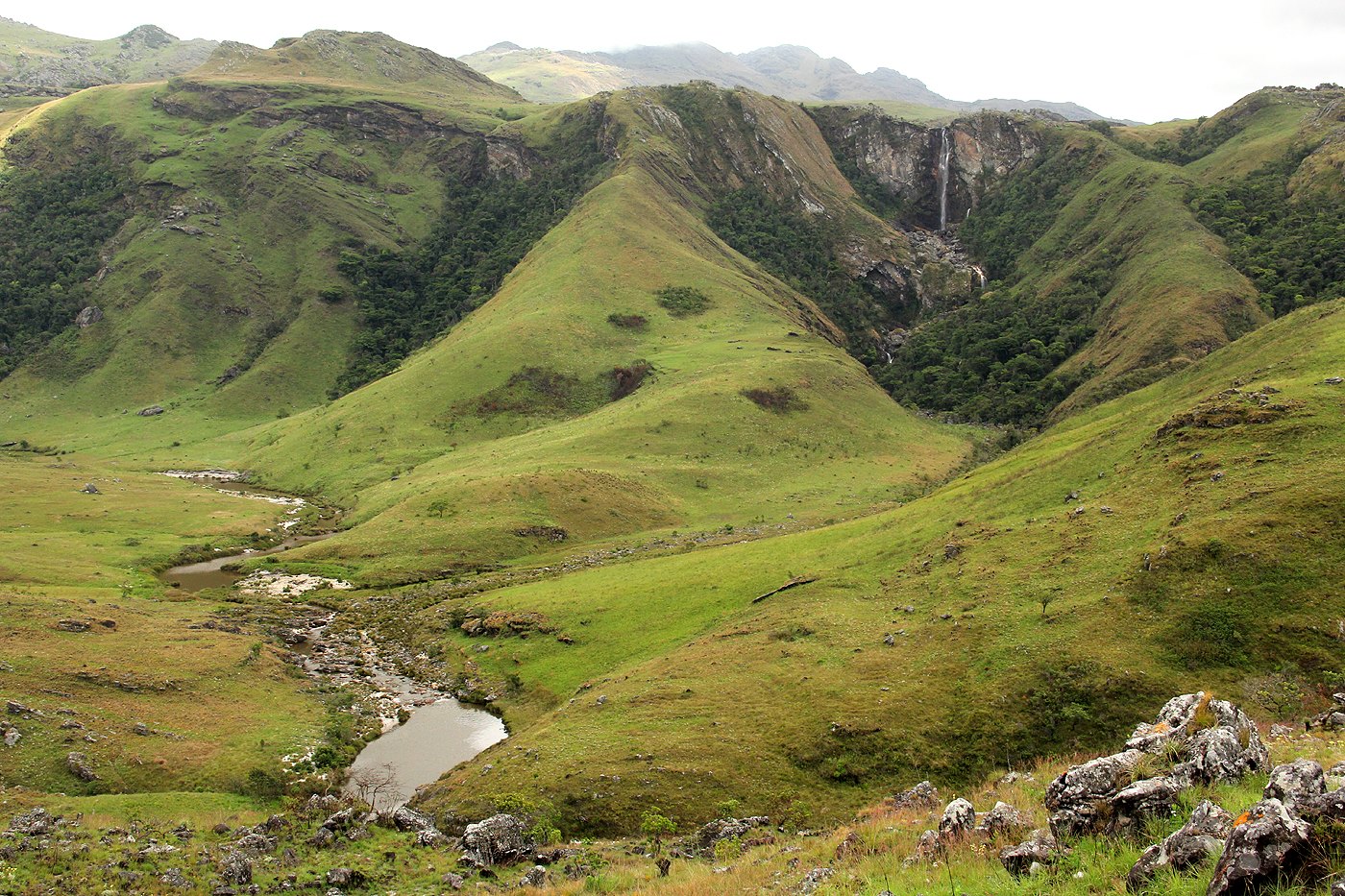
The Chimanimani Mountains rise along the border between Zimbabwe and Mozambique, a rugged natural barrier where two countries meet. This isn’t just a single peak but an entire range stretching for miles, its jagged ridges, deep gorges, and dense forests feeling almost untouched by time. For generations, the local Ndau people have considered these mountains sacred, while European explorers who first encountered them in the late 1800s were struck by their wild, untamed beauty. Today, Chimanimani draws those seeking solitude, adventure, or a sense of connection to something primal.
The highest point in the range is Banya Nyoni Peak, reaching nearly two and a half thousand meters, but the mountains offer far more than just altitude. Rare plants grow here, some found nowhere else on earth, and crystal-clear rivers carve through the slopes, forming waterfalls and natural pools. On clear days, the views stretch across Zimbabwe’s endless savannas and Mozambique’s green valleys, while at sunset, the sky above Chimanimani takes on hues so vivid it feels like nature itself is painting.
The history of these mountains is deeply tied to the Ndau people, who have lived in the foothills for centuries. To them, Chimanimani wasn’t just a landscape but a place of spiritual power, where ancestors were said to dwell. Local legends speak of hidden caves with ancient rock art and stories of warriors who once took refuge here, resisting colonial forces. In the 20th century, the mountains did serve as a hideout for guerrillas during Zimbabwe’s war for independence, and traces of old camps can still be found, along with tales from elders who remember those times.
Chimanimani is best known as a destination for hikers, with routes ranging from gentle valley walks to challenging multi-day treks. One of the most popular trails leads to Bridal Veil Falls, where a river plunges off a sheer cliff into a narrow gorge, creating a breathtaking sight. Another route crosses the Madzivadziva Pass, offering sweeping views of the entire range, with chances to spot grazing antelope or hear the calls of rare birds along the way.
The weather here is unpredictable. Mornings can be cool and misty, afternoons warm and sunny, and evenings often bring wind or rain. The best time to visit is during the dry season, from April to October, when trails are firm and rivers are easier to cross. This is also when the mountains are at their most striking, with slopes covered in yellow and orange wildflowers and the air thick with the scent of herbs and resin.
Despite its remoteness, Chimanimani isn’t difficult to reach. The nearest town is Rusape, where buses or shared taxis can take you to villages at the base of the mountains. Local guides, who know every path and hidden corner, often lead treks, while villagers offer simple guesthouses or homestays where visitors can try traditional Ndau food and learn about the culture.
This isn’t a place for luxury or convenience. There are no hotels, restaurants, or souvenir shops—just silence broken by wind and birdsong, a sky full of stars, and the feeling of being in one of the last places on earth where nature still sets the rules. That’s why many who come here once find themselves returning, drawn back by the mountains’ quiet, enduring presence.