
Harare
Zimbabwe · 10 places
Photo: Radozw at Serbian Wikipedia, CC BY-SA 3.0
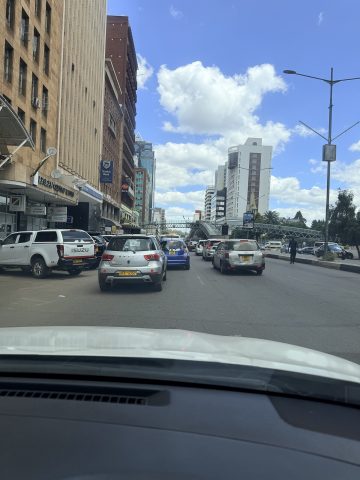
Harare isn’t the kind of city that reveals itself at first glance. It doesn’t clamor for attention or dazzle with flashy landmarks, and that’s precisely what makes it quietly compelling. There are no crowds of tourists jostling for the perfect photo, no neon-lit billboards dictating the rhythm of the streets. Instead, life here moves to its own beat—one set by the hum of markets, the easy pace of conversations on sidewalks, and the way the city comes alive as the sun dips low, filling the air with the scent of grilled meat and the pulse of local music. As Zimbabwe’s capital, Harare doesn’t announce itself with grand monuments or towering skyscrapers. You feel its presence in the way it breathes: sometimes slow and steady, sometimes quickening with energy as the day winds down.
The city began as a small colonial fort in the late 19th century, and traces of that past still linger in its layout. Wide avenues lined with jacaranda trees—bursting into a sea of purple blossoms in spring—cut through the center, where old colonial buildings stand alongside modern office blocks. Harare hasn’t frozen in time, though. Like many places with a complicated history, it shifts and adapts, sometimes subtly, sometimes in sudden, dramatic ways. You’ll find gated communities with sprawling villas, their high walls topped with electric fences, just streets away from modest homes of corrugated iron, where life unfolds according to its own unspoken rules. The contrasts aren’t hidden; they’re simply part of the city’s fabric.
What truly defines Harare, though, are its markets. These aren’t the sanitized, tourist-friendly bazaars selling trinkets and postcards. They’re where the city’s pulse is strongest—places where people come for the things they need every day: fresh vegetables, spices, bolts of brightly patterned fabric, secondhand cars, or a quick repair for a broken phone. At Mbare Musika, the largest open-air market, you could easily spend hours watching the flow of trade. Deals are struck on the fly, vendors haggle with practiced charm, and the air is thick with the mingling scents of roasted peanuts, diesel fumes, fresh bread, and the sharp tang of dried fish. It’s raw, unfiltered Harare—no polished facades, just the city as it is.
The museums here are few but telling. The National Gallery of Zimbabwe showcases the country’s artistic heritage, with works that reflect its culture and struggles, while the Queen Victoria Museum offers a glimpse into the colonial era and the fight for independence. Yet Harare’s real stories are often told outside, in its parks and gardens. The city has a surprising number of green spaces, oases of calm amid the urban bustle. African Unity Park, with its wide lawns and ponds, is a favorite for picnics and lazy afternoons, while the Botanical Gardens brim with indigenous plants, offering a quiet retreat under the shade of towering trees. These are the places where locals unwind, where children play, and where the city’s layers—its tensions and its tranquility—feel most tangible.
Life in Harare isn’t always easy. Economic challenges and political shifts leave their mark, shaping the daily rhythm in ways that can be frustrating or fascinating, depending on the day. But that’s part of what makes the city feel so alive. There’s no pretense here, no manufactured exoticism or glossy veneer. What you see is what you get—sometimes rough around the edges, sometimes unexpectedly moving. Harare won’t be the place you mythologize in stories or postcards, but it has a way of lingering in your memory. It’s not a city that demands admiration; it simply asks for a little time. And if you give it that, it might just surprise you—not with grandeur, but with its quiet, unshakable authenticity.
See & Do
All of them


Places on the map
Marker colour follows the categoryClimate and weather
Detailed weather: Harare- Average temperature
- 19 °C
- Precipitation per year
- 645 mm
Average air temperature
°C
21
21
21
20
17
15
15
18
21
22
22
22
Jan
Feb
Mar
Apr
May
Jun
Jul
Aug
Sep
Oct
Nov
Dec


