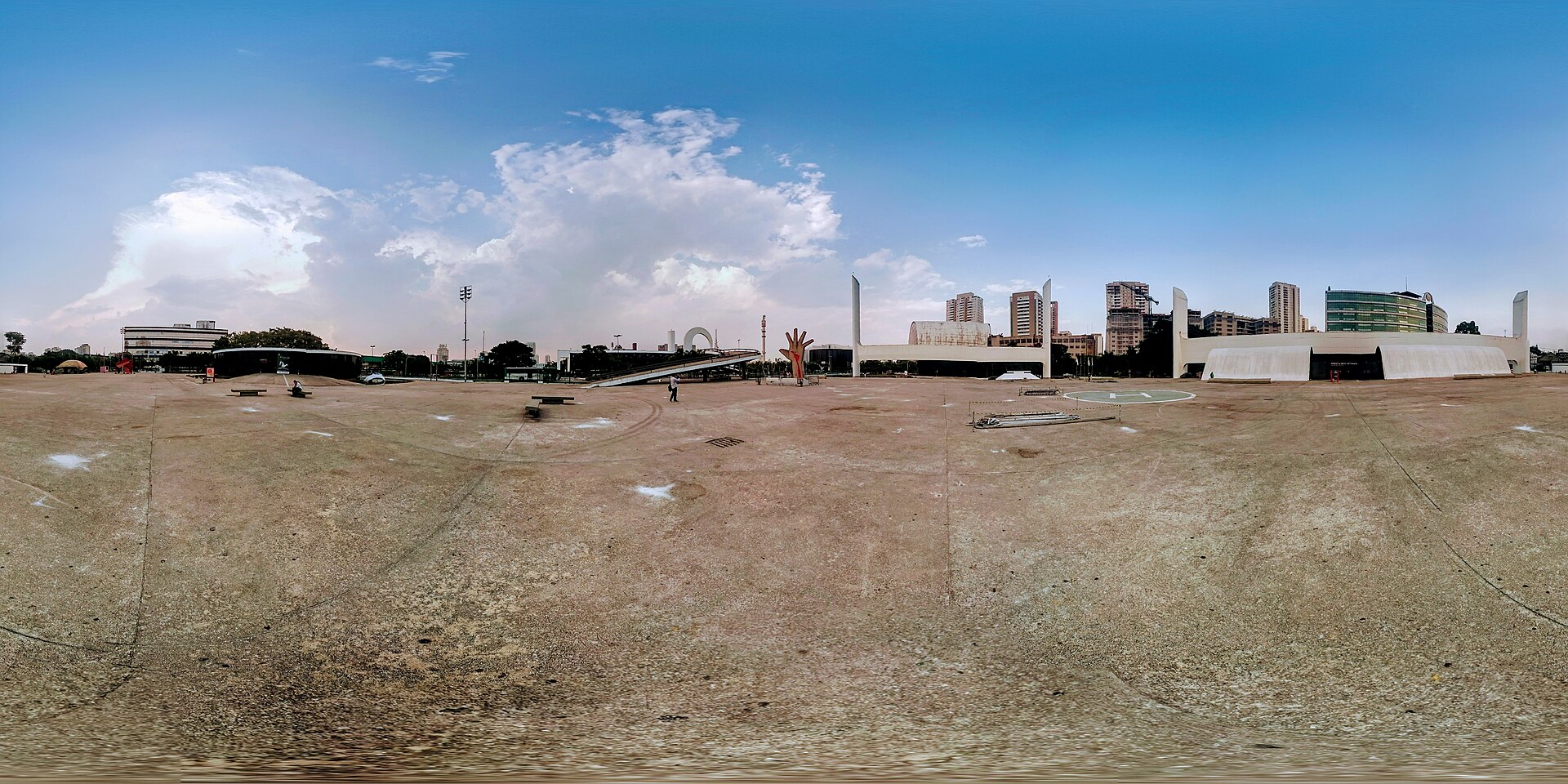
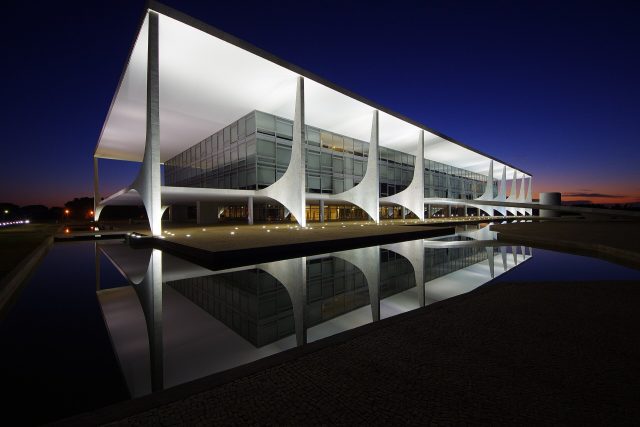
Conceived in the late 1980s, as Brazil transitioned from military rule, the memorial was designed as a gathering place for Latin American nations. It aimed to address shared challenges and strengthen cultural ties. Today, it stands as a physical representation of the continent’s layered history, art, and politics.
The architecture mirrors Latin America’s landscapes. The structure’s curves echo the Andes, while its interiors evoke the Pampas. Wood and stone soften the modernist lines, blending warmth with precision. The central hall, with its high ceiling, hosts exhibitions—Mexican murals, Brazilian contemporary works, or pieces by lesser-known artists from the region. The space asks you to consider what unites these voices.
Beyond art, the memorial serves as a platform for debate. Regional integration, human rights, and sustainable development are frequent topics. Presidents, activists, scholars, and artists have gathered here, shaping conversations that define the continent’s path. For many, the appeal lies in feeling part of something larger—a shared narrative despite divisions.
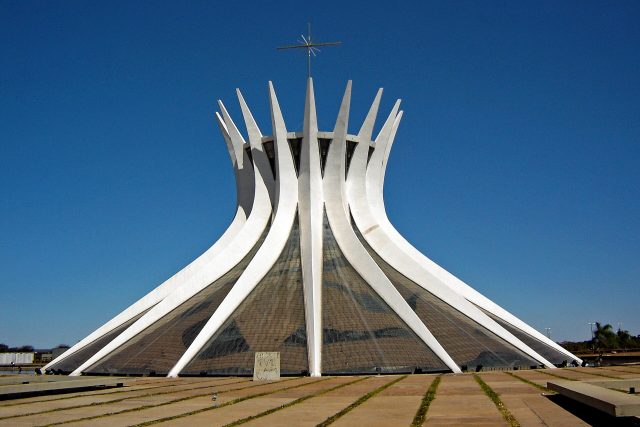
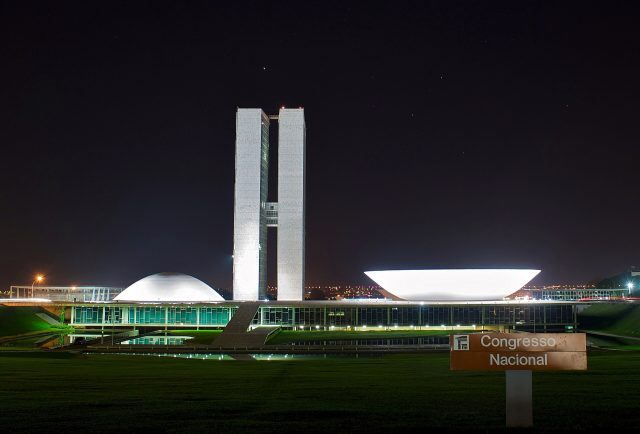
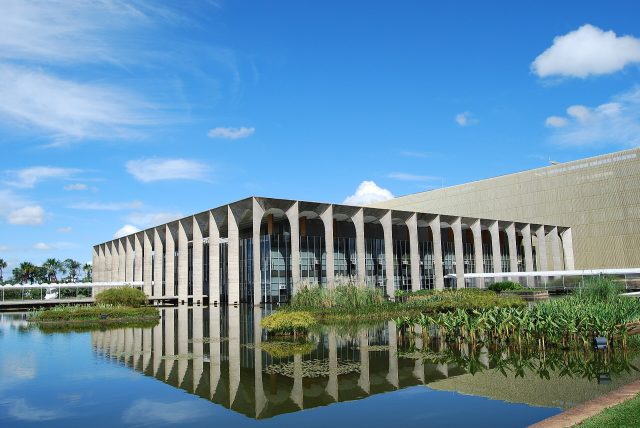
Its location in Brasília is deliberate. The city’s modernist design, with its sweeping avenues and geometric forms, provides a fitting backdrop. The memorial doesn’t feel like a tourist stop. Instead, it offers a quiet contrast to the capital’s grandeur, where ideas matter more than spectacle.
Visiting isn’t about checking off a landmark. You might spend an hour in an exhibition on indigenous resistance or sit in the café, watching students debate. The programming varies—film screenings, workshops, lectures—often tied to themes like climate change or cultural preservation. There’s no need to absorb everything; curiosity is enough.
Critics exist. Some call it too political, others say its design confuses visitors. But that friction is intentional. The memorial doesn’t seek universal approval. It thrives on the clash of perspectives that defines Latin America. You’ll leave with opinions, not indifference.
Lately, it’s become a hub for discussing the region’s future. Digital transformation, migration, and inequality are frequent topics. Young activists meet policymakers, artists collaborate with scientists. The building adapts to the conversations inside, evolving with them. It’s not a monument to a fixed idea but a living record of reinvention.
If you’re in Brasília, visit. Even if politics or art aren’t your focus, the atmosphere draws you in. There’s no script, no pressure to admire specific things. Just open spaces, quiet corners, and the sense that you’re witnessing something meaningful. The Memorial of Latin America isn’t a traditional museum. It’s a place to pause and reconsider the continent.