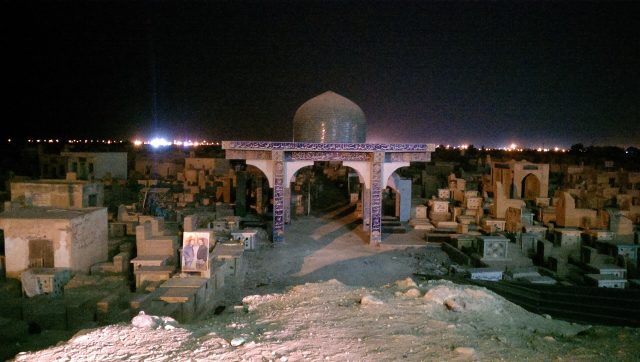
Al-Hannana Mosque: A Place of Quiet Devotion in Najaf
In Najaf, one of Shia Islam’s holiest cities, the Al-Hannana Mosque stands as a witness to faith and history. Unlike the grand mosques that dominate postcards, this place has no towering minarets or gilded domes. Instead, it is a modest structure of clay bricks, weathered by time, blending into the city’s streets. There is no ostentation here—only stillness.
The mosque was built to honor the martyrdom of Imam Hussein, the grandson of the Prophet Muhammad, at the Battle of Karbala in 680 AD. According to tradition, Hussein’s body rested briefly in Najaf before being taken to Karbala. Al-Hannana became tied to that moment. Its name, "The Weeping One," reflects the sorrow that has filled its walls for centuries. For believers, the mosque is where they mourn Hussein’s sacrifice.
The architecture is simple. The mud-brick walls, worn smooth, give the structure an earthy warmth. Inside, the mihrab points toward Mecca, and the floors are covered with carpets where worshippers kneel. There are no mosaics or calligraphy—just the essentials. The mosque’s humility is deliberate, as if to say faith needs no embellishment.
Najaf is a city where history feels present. As one of the four holiest sites in Shia Islam, it draws pilgrims to the shrine of Imam Ali. Al-Hannana lies nearby, and many visitors stop here. During Muharram, the month marking Hussein’s martyrdom, the mosque becomes a center for mourning. The air fills with elegies and quiet weeping, a tradition that has endured for generations.
Al-Hannana is not just for the devout. It welcomes anyone who steps inside, whether to learn or to escape the noise of the modern world. There are no crowds of tourists, no guides hurrying visitors along. Those unfamiliar with Shia customs might feel out of place at first, but locals often offer explanations or a nod. The mosque’s openness is part of what makes it special.
The streets around Al-Hannana move slowly. Narrow alleys wind past stalls selling prayer beads and religious texts. Elderly men sit on benches, deep in conversation. Children play in the shade of clay walls that have stood for generations.
For Shia Muslims, Al-Hannana is a symbol of sacrifice and resilience. The story of Imam Hussein’s stand against injustice is central to their identity, and the mosque embodies that legacy. It is a place where sorrow and strength coexist, where the past is not just remembered but felt.
Visiting Al-Hannana leaves an impression. It is not a place of spectacle but one that quietly demands attention. Even those who do not share the faith may feel the depth of emotion here. The mosque does not try to impress. It simply exists, a humble presence in a world that often forgets stillness. In an age of noise, places like this remind us that some things are best understood not with the eyes, but with the heart.