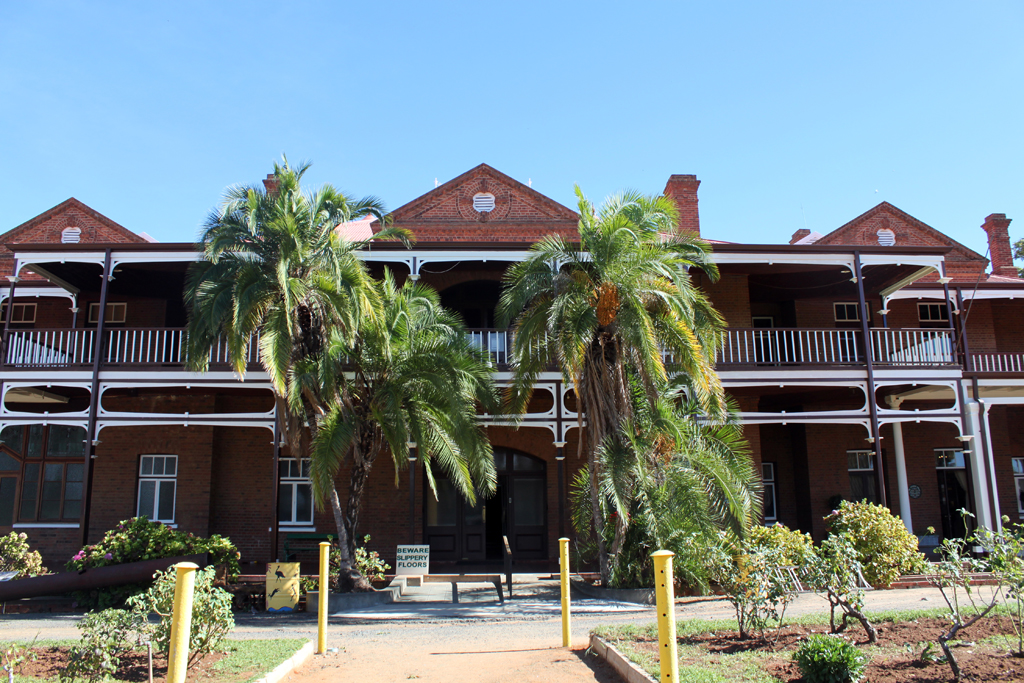
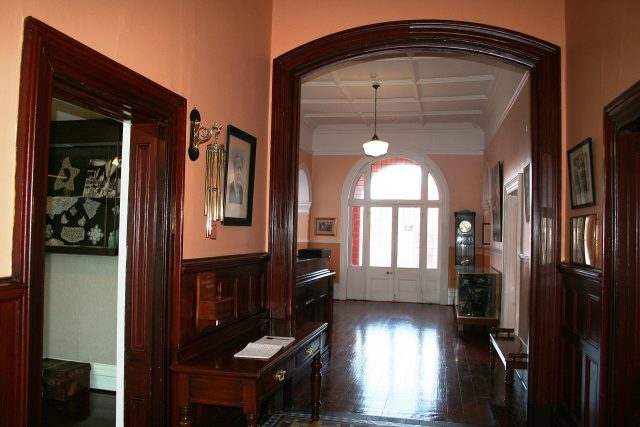
The McGregor Museum in Kimberley is one of those rare places where South Africa’s layered past feels almost tangible. Housed in a grand late 19th-century building, it stands as a quiet witness to the city’s transformation during the diamond rush—a time when fortune-seekers, prospectors, and opportunists flooded into the region, turning a dusty outpost into a boomtown of ambition and excess. The museum itself is part of that legacy, its thick stone walls and lofty ceilings preserving the weight of history in every corner. Sunlight filters through tall windows, casting long shadows over exhibits that tell stories not just of wealth and discovery, but of the people who lived, struggled, and shaped this land long before the first diamond was unearthed.
Named after its founder, Alexander McGregor, the museum began as a personal collection in the early 20th century, driven by a curiosity that went beyond the glitter of gemstones. McGregor was fascinated by the deeper history of the region—the lives of the indigenous peoples who had called these lands home for millennia. Today, the museum’s exhibits span disciplines, from paleontology and archaeology to the turbulent eras of colonization and resistance. One of its most compelling sections is dedicated to the San people, whose rock art, tools, and artifacts offer a glimpse into a way of life intimately connected to the land. Their stories, often overshadowed by later narratives of conquest and exploitation, are given space here, reminding visitors of the rich cultures that thrived long before European arrival.
Among the museum’s most significant exhibits is the reconstruction of an ancient hominid skeleton discovered near Kimberley. These remains, belonging to one of humanity’s early ancestors, are a crucial piece of the evolutionary puzzle, drawing researchers and curious visitors alike. Standing before the display, it’s hard not to feel a sense of connection to the distant past—a reminder that this region has been a crossroads of human history for far longer than the diamond rush would suggest. The exhibit doesn’t just present bones; it invites reflection on what it means to be human, and how this land has been a silent witness to our shared origins.
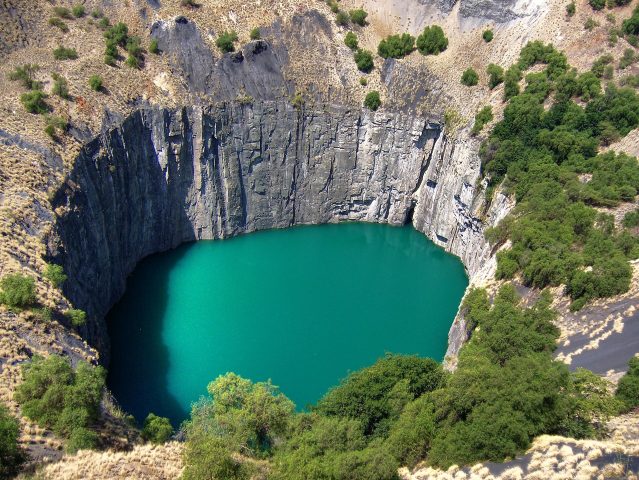
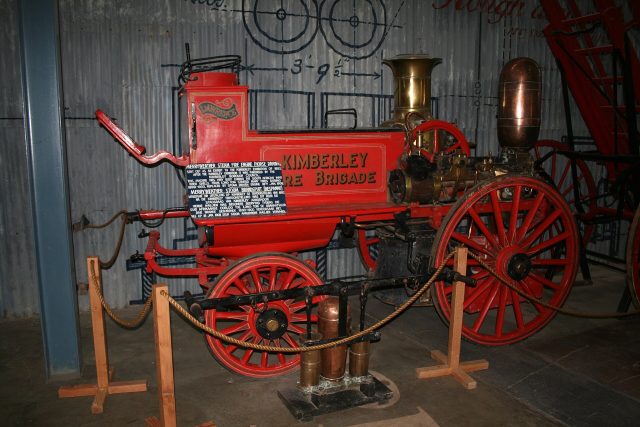
The diamond rush, of course, is impossible to ignore. The museum dedicates considerable space to this defining chapter of Kimberley’s history, with exhibits that bring the era to life through the tools of prospectors, photographs of early mining operations, and even models of the underground tunnels where men toiled in brutal conditions. The most striking symbol of this time is the Big Hole, the massive open-pit mine that became the city’s defining landmark. Through artifacts and narratives, the museum illustrates how the discovery of diamonds reshaped not just Kimberley, but the entire country, drawing investors, laborers, and adventurers from across the globe. Yet it also reveals the darker side of the boom—the exploitation, the displacement, and the stark inequalities that emerged alongside sudden wealth.
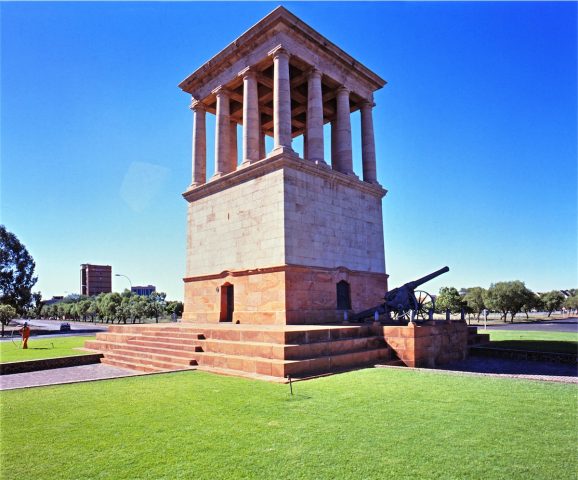
Another pivotal moment in South Africa’s history is explored in the museum’s section on the Anglo-Boer War. Kimberley found itself at the heart of this brutal conflict between British forces and the Boer republics, and the exhibits here—documents, weapons, photographs, and personal belongings—paint a vivid picture of the war’s human cost. The siege of Kimberley, in particular, is brought to life through firsthand accounts and artifacts, showing how ordinary people endured hardship, loss, and resilience. The war was a turning point for the region, and the museum doesn’t shy away from its complexities, presenting the perspectives of all sides without romanticism or simplification.
Beyond its permanent collections, the McGregor Museum is a dynamic space that engages with the present as much as the past. Temporary exhibitions often explore contemporary art, cultural movements, or scientific advancements, while educational programs and lectures make it a hub for learning and discussion. For locals, it’s a place to reconnect with their heritage; for visitors, it offers a deeper understanding of South Africa’s multifaceted identity. The museum’s approach is refreshingly unpretentious—it doesn’t claim to have all the answers but instead presents history as a conversation, inviting visitors to draw their own conclusions.
A visit here is rarely rushed. The museum’s layout encourages lingering, with each room unfolding a new chapter of the region’s story. Even those who don’t consider themselves history enthusiasts often find themselves captivated, whether by the intricacy of San rock art, the stark realities of the diamond rush, or the personal stories of war and survival. There’s no grand narrative imposed here, no attempt to smooth over contradictions or present a sanitized version of the past. Instead, the museum offers something far more valuable: an honest, unvarnished look at how this corner of South Africa came to be.
Kimberley itself is a city of contrasts, and the McGregor Museum reflects that complexity. It doesn’t glorify the past or shy away from its darker moments—colonialism, conflict, and social upheaval are all part of the story. In doing so, it becomes more than just a repository of artifacts; it’s a place where history feels alive, where the echoes of the past resonate with the present. For South Africans, it’s a reminder of where they’ve come from; for outsiders, it’s a window into the forces that have shaped this nation. And perhaps that’s the museum’s greatest strength: it doesn’t just inform—it makes you think, question, and, above all, remember.