Kimberley Mine Museum: A Glimpse into the Diamond Rush
Kimberley feels like a place frozen in time. The town sprang from the pages of a 19th-century adventure novel, shaped by the diamond rush when thousands abandoned their old lives to chase fortune in these harsh lands. The Kimberley Mine Museum stands at the heart of this story—an open-air complex built around the Big Hole, where the past isn’t just preserved but still breathes.
The Big Hole: A Man-Made Wonder
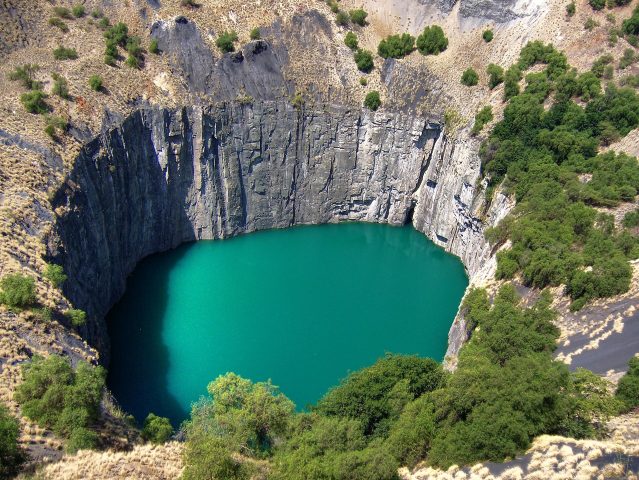
The Big Hole is the museum’s centerpiece. Once a hive of activity, it was dug by hand by hundreds of prospectors, each hoping to strike it rich. Today, it’s a vast pit in the earth, its sheer walls plunging over two hundred meters deep. Water pooled at the bottom gives it an eerie quality, like a natural crater rather than a scar carved by human hands.
From the viewing platform, the sight is striking—a massive bowl of turquoise water surrounded by barren slopes. This is where pickaxes once rang and shouts echoed across the diggings.
A Town Frozen in Time
The museum reconstructs old Kimberley at the height of the diamond rush. Wooden buildings line the streets—shops, saloons, prospectors’ shacks—each one a relic of the late 1800s, when this was one of the most chaotic places on earth.
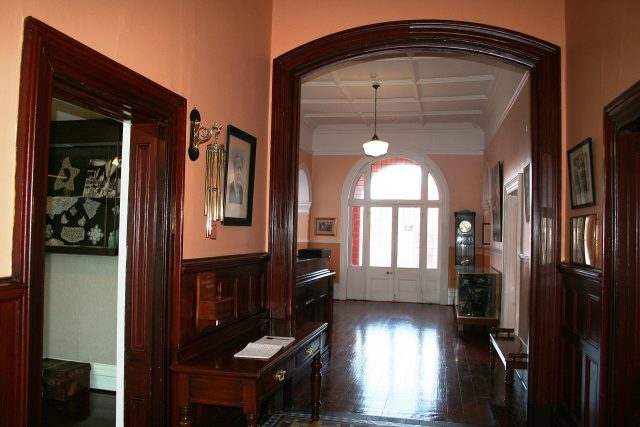
The old De Beers office is preserved almost exactly as it was when the company controlled diamond mining here. The furniture, documents, and photographs of the founders remain untouched, as if the staff had just stepped away.
The prospectors’ village shows the harsh reality of life on the diggings. Corrugated iron shacks, cramped and bare, stand as reminders of the conditions people endured for a chance at fortune. Tools—picks, shovels, sieves—lie scattered, evoking the backbreaking labor of sifting through tons of earth. You can almost hear the crackling of a fire and the stories swapped after a long shift.
Diamonds and Their Legacy
The museum tells the story of diamond mining through rock samples, tools, and photographs. One display shows the Big Hole in its prime, packed with workers hauling earth by hand, living in tents as the town grew around them. These images reveal the relentless effort behind Kimberley’s rise and how diamonds transformed South Africa into a major player in the global gem trade.
Beyond the Rush: Indigenous Stories
A separate pavilion showcases the culture of the Tswana and Griqua peoples, who lived here long before European settlers arrived. Clothing, weapons, and jewelry offer insight into their traditions. The exhibits also acknowledge the impact of the diamond rush on these communities—a reminder that Kimberley’s story isn’t just about wealth and adventure.
Stepping Into the Past
Walking through the museum feels like stepping into another era. The quiet streets, the creaking wooden buildings, the absence of modern noise—it all creates an atmosphere that pulls you in. The effect is strongest in the evening, when lanterns cast long shadows and the past feels closer than ever.
You might turn a corner and expect a prospector to appear, or hear the distant call of a newspaper vendor. The museum doesn’t just display history—it lets you experience it.
The Kimberley Mine Museum is a monument to human determination. Every rock, every building, every photograph tells the story of those who risked everything for a dream. The diamond rush may be over, but its spirit remains—a quiet reminder that sometimes, dreams do come true.