The Duggan-Cronin Gallery sits off the main streets of Kimberley, easy to walk past if you don’t know it’s there. Inside, the air is still, the kind of quiet that lets you hear your own thoughts. Alfred Duggan-Cronin, an Irishman who worked for De Beers, spent decades photographing South Africa’s indigenous communities in the early 1900s. He didn’t set out to make art. He wanted to document a way of life that was disappearing as mines and railways spread across the land.
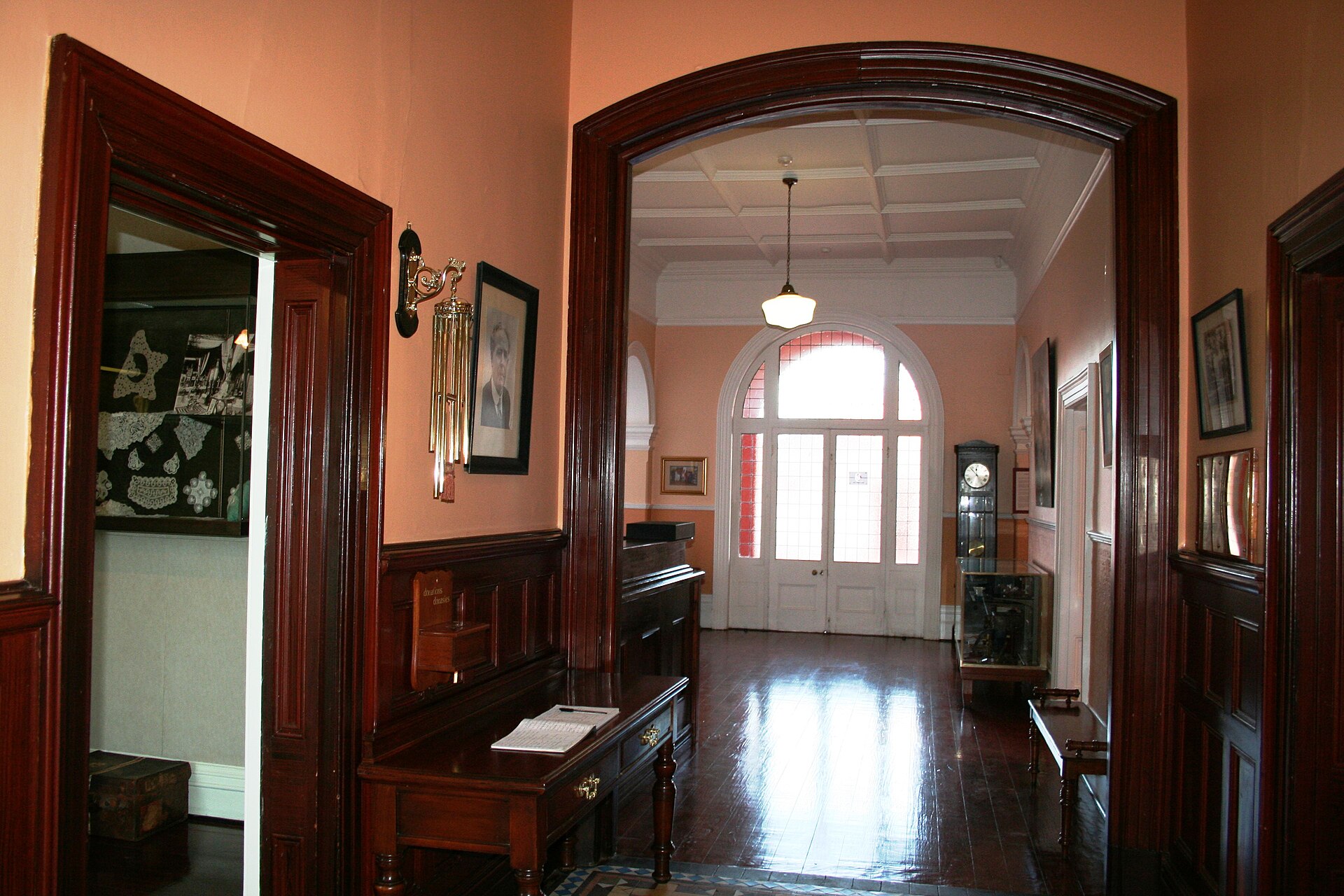
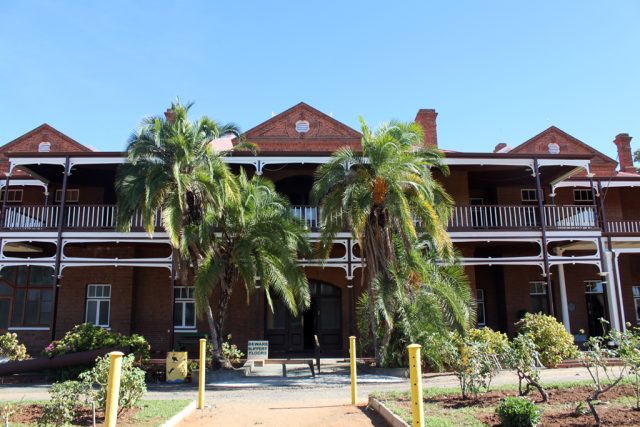
The building doesn’t draw attention. The photographs, mostly black-and-white, hang in plain wooden frames. Some edges are yellowed. There are no screens, no spotlights—just the images themselves. You’ll see women grinding maize, men returning from hunts, children outside mud huts. Others show rituals that were already rare: dances, ceremonies, moments that wouldn’t last much longer. The portraits stand out. The people in them look directly at the camera, their faces unguarded.
Duggan-Cronin wasn’t a scholar. He came to South Africa in the early 1900s to work in the diamond mines and stayed. Photography started as a hobby, then became his life’s work. Over the years, he traveled widely, collecting not just photographs but objects—clothing, tools, pottery—that now fill the gallery. His approach was different. He didn’t idealize the people he photographed, nor did he treat them as curiosities. His images feel straightforward, as if he were simply recording what he saw.
Kimberley was the center of South Africa’s diamond rush in the late 1800s. Prospectors arrived from Europe, while migrant laborers came from across the region. The city grew quickly, built on wealth that came at a cost. Duggan-Cronin lived here during this time, and his photographs reflect that tension. They don’t glamourize or exoticize. Instead, they show the lives of people who were often ignored, their stories buried under the weight of colonial expansion and industrial growth.
The gallery’s collection covers the years between 1919 and 1939. Many indigenous cultures were under pressure then. Some of the most striking images are of the San people. They appear in traditional dress, holding bows and arrows. But these photographs don’t just show tradition. They show weariness, the strain of a world changing too fast.
History isn’t only about grand events.
The gallery doesn’t try to impress. There are no crowds, no guided tours pushing you along. You can take your time. Look at the frayed edges of a basket, the beadwork on a piece of clothing, the faces in the photographs. It feels personal, like someone’s private collection. Most museums shape a story for you. Here, you piece it together yourself.
If you’ve heard enough about South African history through politics and conflict, this place offers something else. It shows the daily lives of people who were rarely heard in their own time. Kimberley’s past is tied to diamonds and inequality. The gallery doesn’t ignore that, but it also doesn’t reduce its subjects to victims. It shows them as individuals—people with traditions, skills, and their own stories.
You don’t just look at artifacts here. You engage with them. There are no reenactments, no grand statements—just objects and images that have lasted. In a country where the past is often debated, this gallery offers a different view. It’s rooted in empathy. It reminds you that history isn’t just something that happens to people. They live it, shape it, carry it with them. That’s why the gallery feels necessary. It doesn’t just preserve the past. It makes you feel its weight.