Shiraz has long been known as Iran’s city of poets, gardens, and wine, but if there’s one place that captures its soul, it’s the mausoleum of Hafez. Tucked away in the northern part of the city, the site feels like a quiet conversation between the past and the present. The Persian poet Hafez, whose real name was Khwāja Shams-ud-Dīn Muḥammad Ḥāfeẓ-e Shīrāzī, lived here in the 14th century, and his verses—filled with love, mysticism, and a touch of playful irony—have shaped Persian literature ever since. The mausoleum itself isn’t just a tomb; it’s a gathering place where people come to remember, reflect, and sometimes even seek guidance from his poetry.
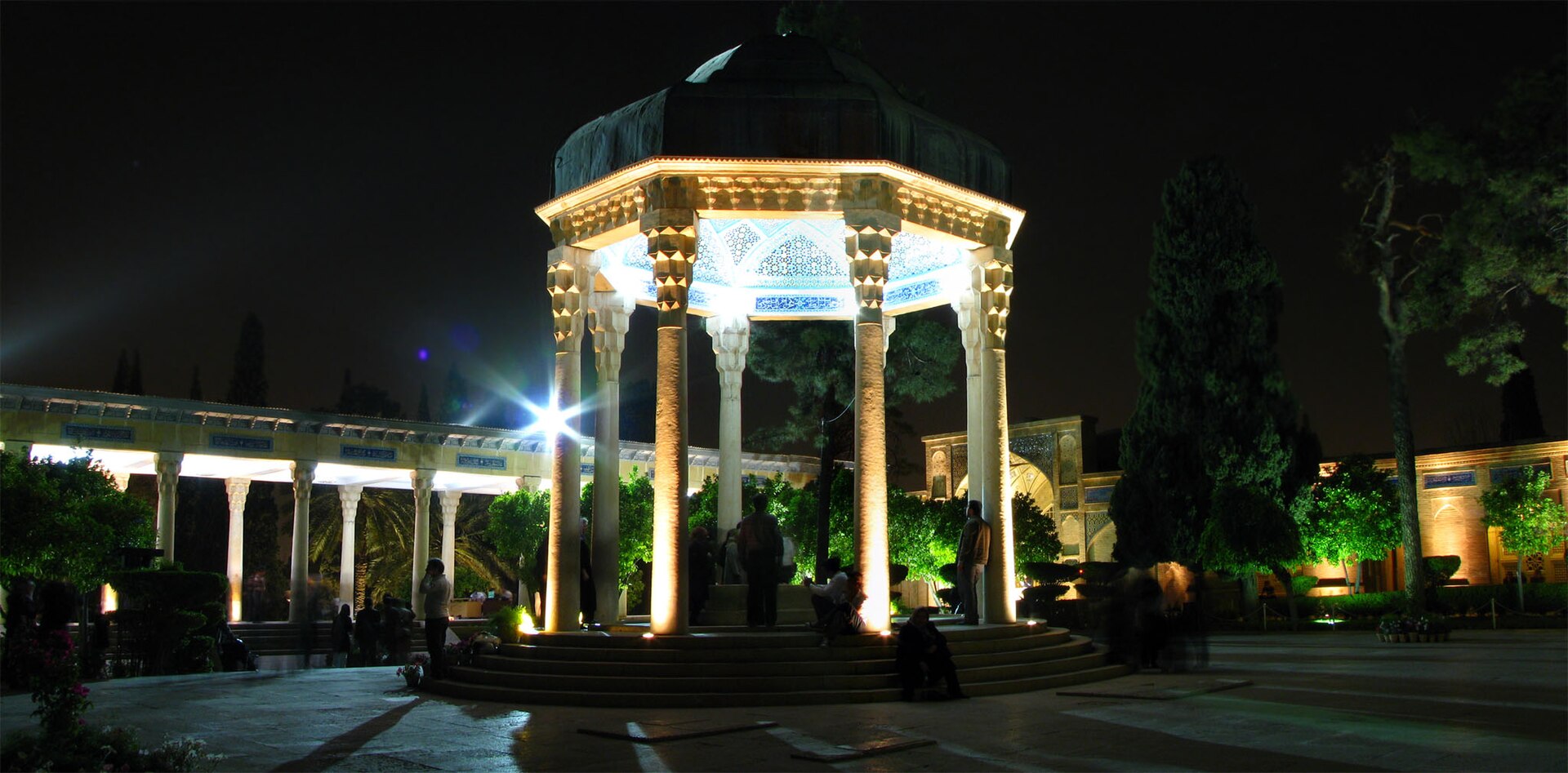
The current structure dates back to the 1930s, though the site has been revered for centuries. Before that, a simple dome stood over Hafez’s grave, built in the 1770s under the orders of Karim Khan Zand, the ruler who made Shiraz his capital. The modern mausoleum was designed by the French architect André Godard, blending traditional Persian elements with a more contemporary touch. The open-air pavilion, with its eight columns supporting a tiled dome, feels both grand and intimate. The marble tomb at its center is engraved with verses from Hafez’s *Divan*, the collection of his works that has been cherished for generations.
What makes the mausoleum special isn’t just its architecture, but the way people interact with it. Visitors often bring a copy of Hafez’s poetry, open it at random, and read the first verse they see as a form of divination—something the poet himself might have found amusing. The practice, called *fāl-e Hafez*, is a tradition that turns a simple visit into a personal moment of connection. The atmosphere is far from solemn; instead, it’s warm and lived-in, with locals and travelers alike lingering in the gardens, reciting lines under their breath, or simply sitting in silence.
The gardens surrounding the mausoleum are a key part of the experience. Designed in the classic Persian style, they’re a lush contrast to the arid landscape outside. Cypress trees, roses, and water channels create a sense of tranquility, while the sound of fountains adds a gentle rhythm to the air. In spring, the gardens are at their most vibrant, with flowers in full bloom and the scent of orange blossoms drifting through the courtyard. Even in the heat of summer, the shade of the trees offers a respite, making it a pleasant place to wander or rest.
Hafez’s poetry is deeply rooted in the culture of Shiraz, and the mausoleum reflects that connection. His verses often reference the city’s gardens, its wine, and its people, painting a picture of a place where beauty and intellect intertwine. The poet’s influence extends beyond literature; his words have inspired musicians, artists, and even political thinkers over the centuries. At the mausoleum, you’ll often hear snippets of his ghazals set to music, performed by street musicians or visitors humming to themselves.
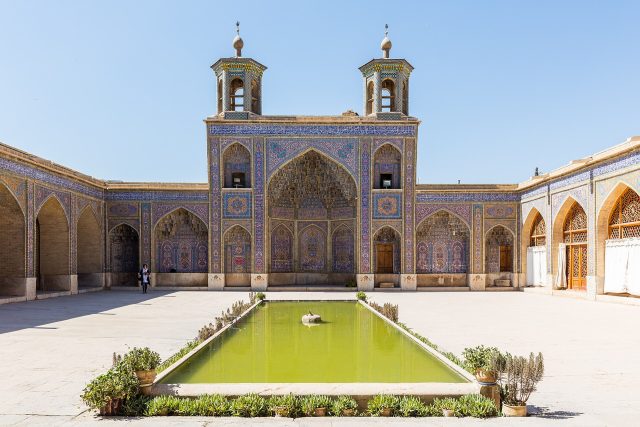
The site isn’t just for those familiar with Persian poetry. Even if you don’t understand Farsi, the rhythm and emotion of Hafez’s words come through in the way people engage with them. The tomb itself is a work of art, with intricate tilework and calligraphy that tell their own story. The blue and turquoise hues of the dome mirror the colors of Shiraz’s other historic sites, like the Nasir al-Mulk Mosque, creating a visual link between the city’s cultural landmarks.
Visiting the mausoleum is as much about the people as it is about the place. In the evenings, the site comes alive with families, students, and groups of friends who gather to share poetry, music, or simply each other’s company. The sense of community is palpable, and it’s not uncommon for strangers to strike up conversations over a shared love of Hafez’s work. The mausoleum feels less like a museum and more like a living space, where the past is kept alive through the stories and traditions of those who visit.
For many Iranians, Hafez is more than a historical figure; he’s a part of daily life. His poetry is quoted in conversations, used in songs, and even referenced in political speeches. The mausoleum serves as a physical reminder of that enduring presence. Whether you’re there to pay respects, seek inspiration, or just soak in the atmosphere, the site offers a glimpse into the heart of Persian culture—one where art, spirituality, and everyday life blend seamlessly.
Shiraz has many treasures, but the mausoleum of Hafez stands out as a place where the city’s poetic spirit is most tangible. It’s not just a monument to a man who lived centuries ago; it’s a space where his words continue to resonate, inviting each visitor to find their own meaning in them. In a world that often feels rushed, the mausoleum offers a moment of stillness—a chance to pause, reflect, and perhaps even hear an echo of the past in the rustling of the leaves or the murmur of a verse being recited.