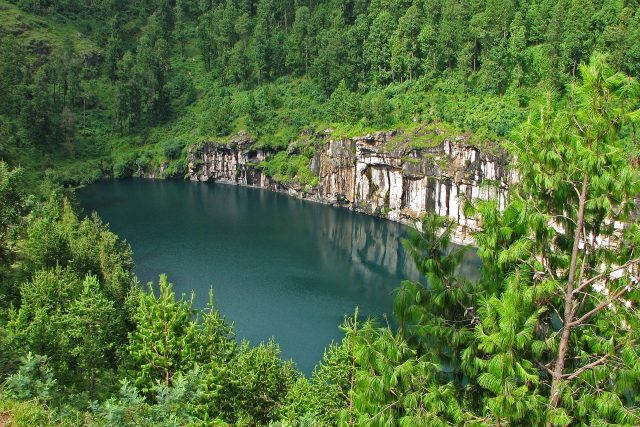
Marolambo National Park lies in the eastern reaches of Madagascar, where dense rainforests meet rugged river valleys. Few places on the island feel as untouched. The park takes its name from the nearby town, a quiet settlement with little traffic. But the draw isn’t the town—it’s the forests and rivers that hold some of Madagascar’s most remarkable biodiversity.
The park is a world of towering trees. Their canopies form a thick green ceiling, filtering sunlight into a soft glow. Vines twist around ancient trunks, and the forest floor is damp with moss and fallen leaves. The air smells of earth and vegetation. The only sounds are leaves rustling and water rushing in the distance. It’s easy to lose your way here, but that’s part of the appeal—nature still sets the rules. Rivers cut through the landscape, lined with bamboo and ferns, as if human hands never shaped the land.
Wildlife thrives in these forests. Marolambo is one of the few places where lemurs live undisturbed. The indri, known for its morning calls, shares the forest with other primates, chameleons, snakes, and birds. Local guides know the rhythms of the forest and can lead you to them without causing harm. Patience and quiet matter—this isn’t a zoo, and the animals here avoid humans.
The park’s history ties into Madagascar’s broader story. For generations, local communities lived here, taking only what they needed. When protected areas were established in the mid-20th century, Marolambo was preserved for its value. Today, it remains one of the least explored reserves on the island. There are no visitor centers or marked trails—just the forest, the rivers, and the quiet persistence of life.
Exploring Marolambo is an adventure. Paths are narrow and overgrown, worn by locals rather than paved for tourists. Some trails lead to waterfalls, others to river valleys, but all demand effort. You might wade through streams or climb slick rocks. Guides, who know the land well, can show you signs of life—tracks in the mud, a bird’s call, or movement in the trees.
The climate is warm and humid year-round. The best time to visit is between April and October, when trails are drier. During the wet season, the forest is lush, but paths turn to mud. Nighttime rain is common, and if you camp, you’ll wake to dew-covered surroundings. It’s beautiful but unpredictable.
Marolambo has no hotels or restaurants. Travelers stay in nearby villages, where locals offer simple rooms or space for tents. Meals are basic—rice, vegetables, river fish, or chicken—but they feel connected to the land. The lack of comfort lets you step into a rhythm unchanged for centuries.
For many, Marolambo is a revelation. There are no crowds or vendors. Just the forest, the river, and the quiet hum of life. It’s for those who trade comfort for authenticity, who want a corner of the world that still feels wild. The journey isn’t easy, but those who come rarely leave disappointed. The reward isn’t just what you see, but how the place makes you feel—small beneath the vast, ancient canopy.