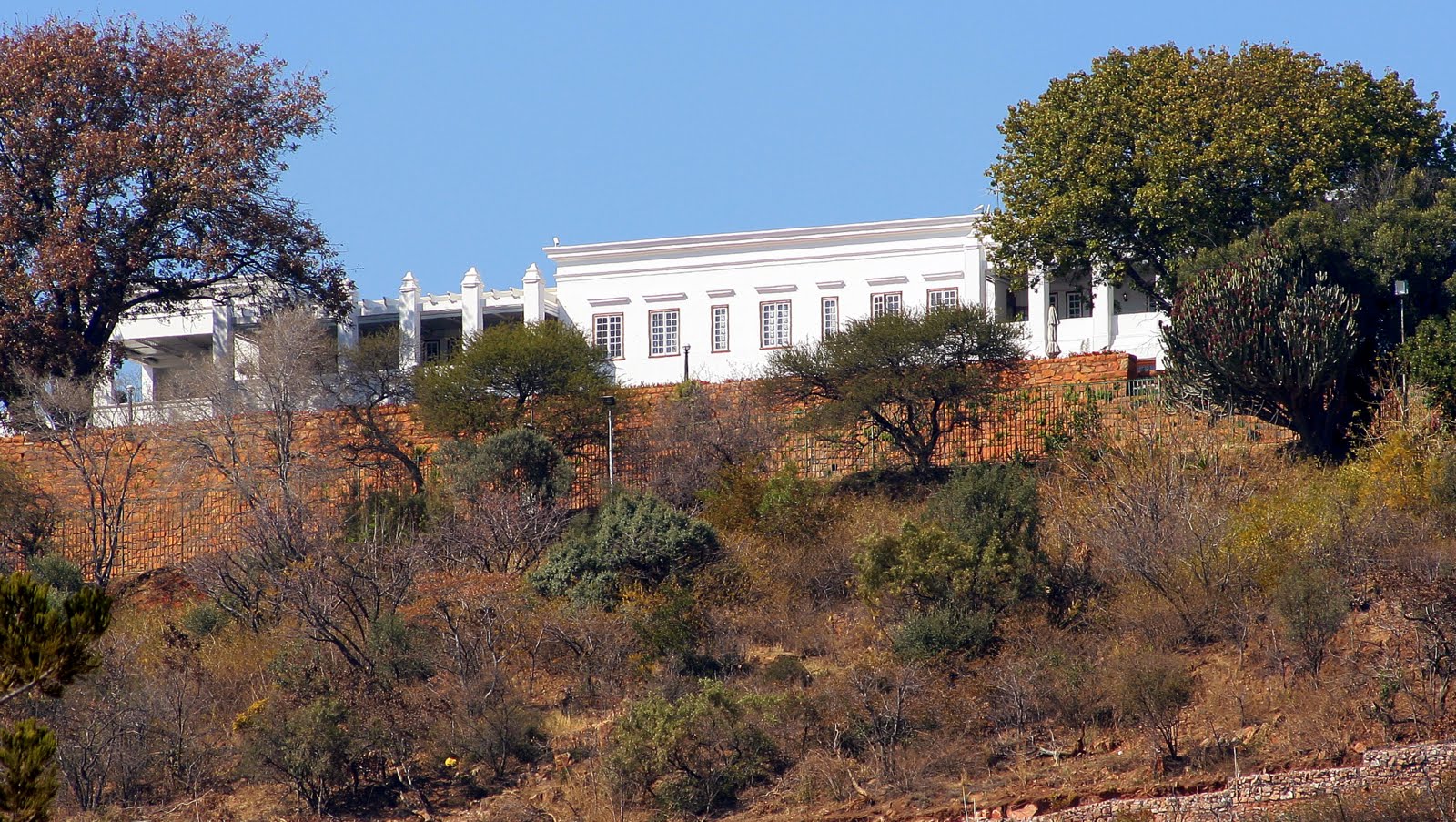
Mahlamba Ndlopfu stands quietly in Pretoria, a building that carries more weight than its imposing columns suggest. The name, borrowed from the Tsonga language, means New Dawn, a phrase that feels both poetic and deliberate for a place that has witnessed some of South Africa’s most pivotal moments. Built in the late 1930s, it was originally intended as the official residence for the Prime Minister of the Union of South Africa, a role it held until the country became a republic in 1961. Since then, it has served as the presidential residence, though not as a home—presidents have lived elsewhere, using this address primarily for state functions and official business.
The architecture is a study in contrasts. From the outside, it presents a formal, almost austere face, with neoclassical elements that wouldn’t look out of place in European capitals. Yet there’s something distinctly African in its proportions, a quiet nod to local traditions that softens its otherwise rigid lines. The main façade is dominated by a series of columns, their symmetry broken only by the occasional flag or the slow movement of security personnel. Inside, the grandeur continues with marble floors, polished wood, and high ceilings designed to impress, though few outsiders ever see them. The building’s most public space is the grand hall, where dignitaries are received and ceremonies unfold, its atmosphere shifting from solemn to celebratory depending on the occasion.
What makes Mahlamba Ndlopfu unusual is how little of it is actually visible. Unlike government buildings in many other countries, it isn’t open to the public, nor does it offer guided tours with any regularity. The grounds are enclosed by high fences, and the only glimpse most people get is from the street, where the tops of trees hint at the gardens beyond. This secrecy isn’t accidental. The residence has been the backdrop for decisions that shaped the nation—from the rigid policies of apartheid to the fragile negotiations that dismantled it. When Nelson Mandela was inaugurated in 1994, the world watched as the country’s first democratically elected president stepped into a role that had, until then, been synonymous with oppression. The building, in its own way, had to be reinvented along with the nation.
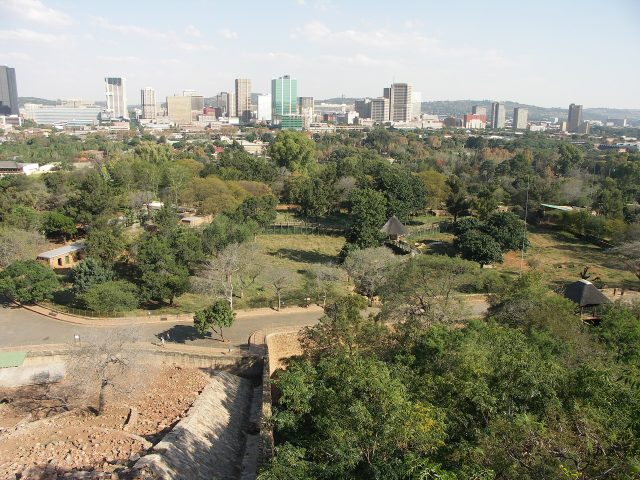
Pretoria itself is a city that often gets overshadowed by its more famous siblings, Cape Town and Johannesburg. Founded in the 19th century, it was conceived as an administrative hub, a role it still plays today. The streets are wider here, the pace slower, and the architecture carries the weight of history in a way that feels more deliberate than in other South African cities. There are no beaches or skyscrapers to draw the crowds, just a quiet dignity in the way the city balances its colonial past with its modern identity. Mahlamba Ndlopfu fits neatly into this narrative—a place that is both central and peripheral, visible yet inaccessible.
For those who do manage to see the residence up close, whether through an official visit or one of the rare public tours, the experience is less about spectacle and more about context. There are no exhibits or interactive displays, just the building itself, standing as it has for nearly a century. The lack of fanfare is telling. This isn’t a place designed to entertain or educate in the traditional sense; it’s a working space, one that has adapted to the changing needs of the country without ever losing its sense of permanence. The furniture may have been updated, the security tightened, and the flags changed, but the bones of the place remain the same.
The real significance of Mahlamba Ndlopfu lies in what it represents. During the apartheid era, it was a symbol of a system that sought to divide, a place where laws were drafted to enforce segregation and inequality. After 1994, it became something else entirely—a setting for reconciliation, where leaders from opposing sides sat down to negotiate a future that had once seemed impossible. The building didn’t change, but the country did, and in that transformation, it took on a new meaning. Today, it stands as a reminder of how far South Africa has come, even as it continues to grapple with the challenges of its past.
There’s a certain irony in the fact that a place so tied to power remains so understated. No neon signs or tourist buses clog the streets around it, no vendors hawk postcards of the grand façade. Instead, there’s a sense of quiet authority, the kind that doesn’t need to announce itself. The guards at the gates, the occasional motorcade slipping through, the way the light catches the windows in the late afternoon—these are the only hints that this is a place where history is still being made. For most people, Mahlamba Ndlopfu will remain a name on a map, a footnote in a guidebook, but for those who understand its story, it’s something more: a physical embodiment of a nation’s journey.
In a world where so many landmarks are packaged for consumption, Mahlamba Ndlopfu resists easy categorization. It’s not a museum, though it could be. It’s not a tourist attraction, though it draws curiosity. It’s simply there, doing its job, as it has for decades. Perhaps that’s what makes it so compelling. In an era where everything seems designed for public display, this is a place that still values discretion. It doesn’t need to be loved or even understood by everyone—it just needs to endure, a silent witness to the ebb and flow of a country still finding its way.