Sigiriya is one of those places that make you wonder how people centuries ago could create something so extraordinary without modern tools. Rising nearly two hundred meters above the surrounding jungle, this massive granite rock seems to float above the earth when viewed from below. In the fifth century, King Kassapa chose its summit as the site for his fortress, transforming the natural monolith into an impregnable stronghold. Today, it stands as one of Sri Lanka’s most famous historical landmarks—not just for its architecture, but for the way it carries the weight of history in every stone.
Climbing to the top is an experience in itself. The staircases carved directly into the rock lead past ancient frescoes that have survived the test of time. About halfway up, you reach the famous Lion Platform, where a colossal lion statue once stood—now only its massive paws remain, giving the rock its name. Beyond this point, the ascent grows steeper, but each step brings you closer to the ruins of the palace at the summit. From there, the view stretches across the jungle to the horizon, making it clear why Kassapa chose this place.
The story of Sigiriya is one of power, betrayal, and ambition. Kassapa seized the throne by killing his father, then fled here in fear of his brother’s revenge. He turned the rock into a fortress, surrounding it with moats and gardens, yet ultimately lost the battle and took his own life. After his death, Sigiriya became a Buddhist monastery for several centuries before being abandoned. It wasn’t until the nineteenth century that it was rediscovered, and since then, it has drawn travelers, historians, and the simply curious.
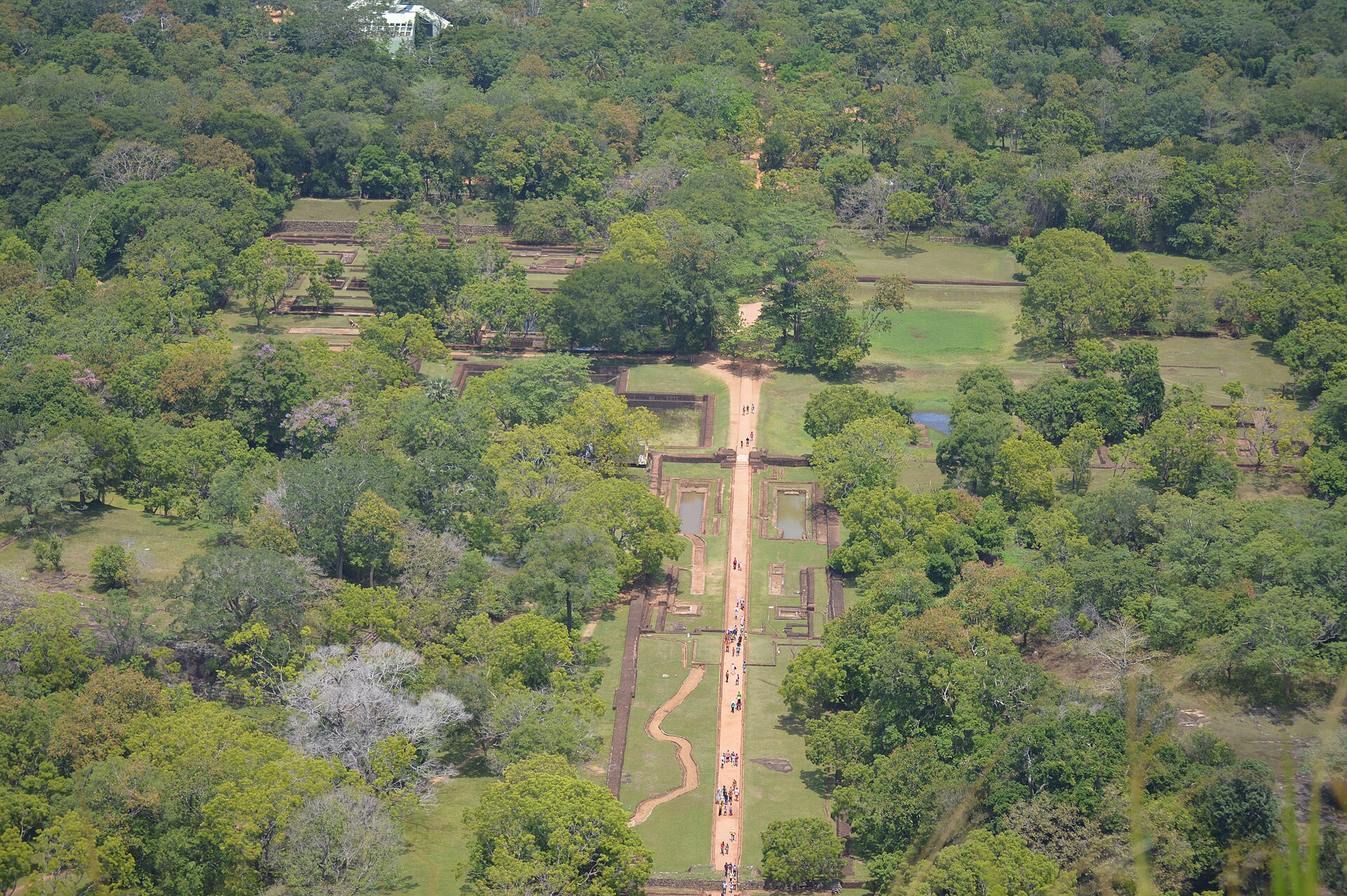
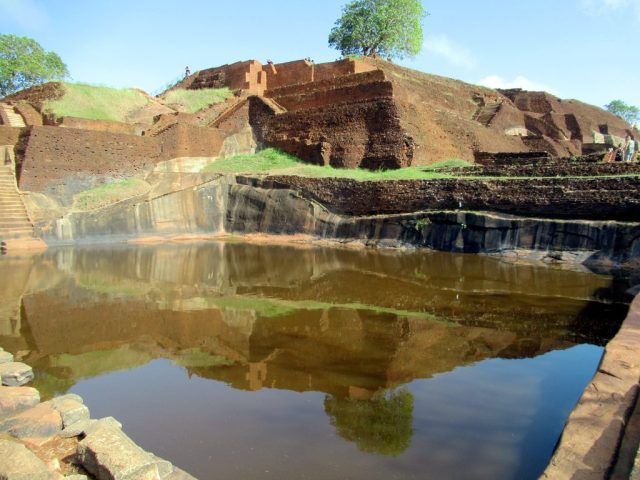
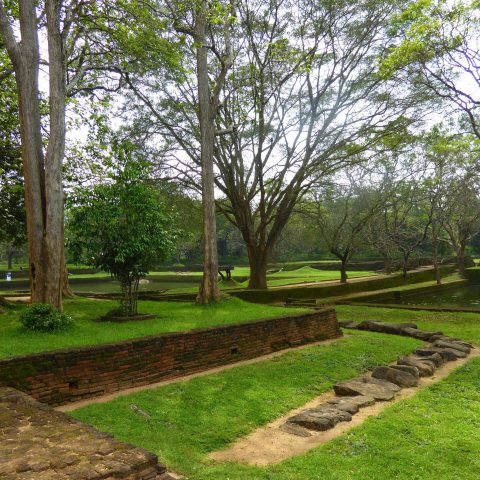
The architecture of Sigiriya is as impressive as its history. The water gardens at the base of the rock were an engineering marvel of their time. A system of canals, fountains, and pools functioned without pumps, relying solely on the natural slope of the land. Everything was designed to create the illusion of a paradise where water flowed effortlessly and terraced greenery descended toward artificial lakes. Even now, with many elements in ruins, you can imagine how it must have looked in its prime.
The frescoes on the rock face remain one of Sigiriya’s greatest mysteries. They depict women holding flowers, but their identities—whether goddesses, concubines, or symbols of beauty—are still unknown. Some paintings were destroyed, others hidden beneath layers of plaster, but those that remain are striking in their vividness. The colors haven’t faded in over fifteen hundred years, and the figures seem almost alive. These frescoes are among the few surviving examples of art from that era, and their preservation is remarkable.
Today, Sigiriya is more than just a historical monument; it’s a place where the past feels tangible. Unlike other popular sites in Sri Lanka, it doesn’t feel overrun by tourists, even in peak season. There are moments when you can stand alone with the rock, especially in the early morning when mist still lingers over the jungle and the sun begins to warm the stone. Sitting at the summit, listening to the monkeys calling below, or wandering through the ruins, you can almost picture the lives of those who lived here over a thousand years ago.
For locals, Sigiriya is more than a tourist attraction—it’s part of their cultural heritage. Many believe the rock holds a special energy, and people come not just for photographs but for meditation. Buddhist monasteries in the area still honor the memory of the monks who once lived here, and you might see pilgrims climbing the rock with prayers.
Sigiriya leaves no one indifferent. It makes you reflect on the fragility of human life, the rise and fall of empires, and the importance of preserving what remains of the past. There are no luxury hotels or bustling restaurants here—just the rock, the jungle, and the wind carrying stories of those who once called this place home. If you listen closely, you might still hear their echoes.