Standing on the east bank of the Nile, Luxor Temple feels like a place where time has learned to pause. It rises from the heart of what was once Thebes, the city that shaped Egypt’s religious and political life for centuries. Today, Luxor is a quiet provincial town, but in the age of the pharaohs, this was the center of the world. The temple was never just a place of worship—it was a statement of divine power, a stage for coronations, festivals, and rituals that bridged the human and the sacred. Its walls have witnessed the rise and fall of dynasties, the footsteps of kings, and the whispers of priests who believed they could speak directly to the gods.
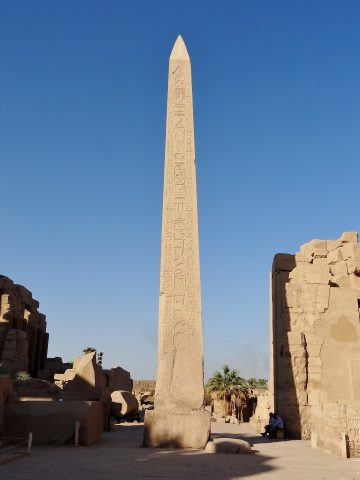
Construction began under Amenhotep III in the 14th century BCE, but the temple as it stands today is the work of many hands. Each ruler who followed left his mark. Ramses II expanded the complex, adding colossal statues and obelisks that still dominate the entrance. Alexander the Great ordered a chapel built within its walls, and later, the Romans repurposed part of the sanctuary as a military camp. The result is a layered history, where the ambitions of different eras overlap like pages in a book. Walk through the temple, and you’re not just moving through space—you’re stepping through time.
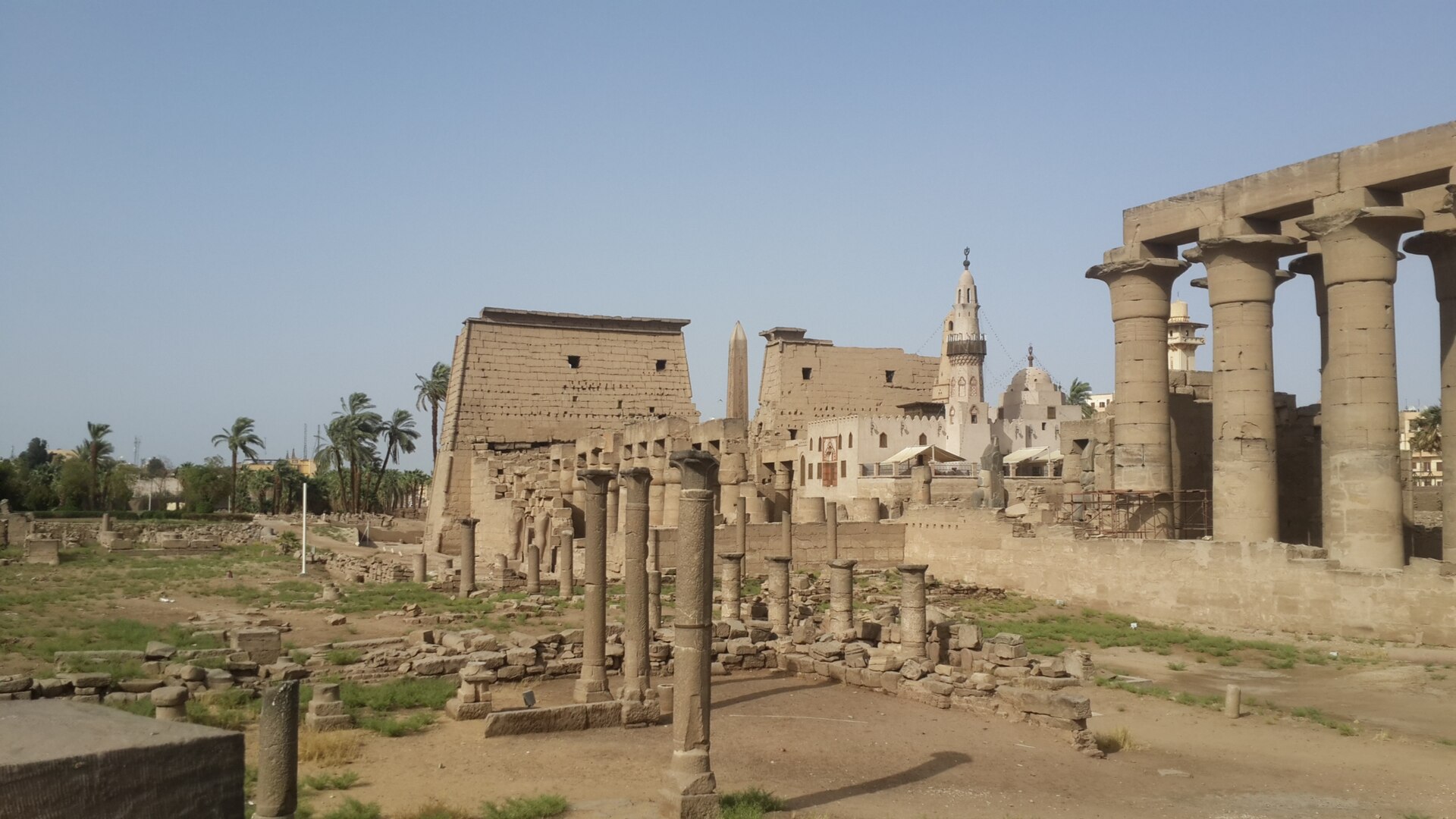
What makes Luxor Temple remarkable isn’t just its size, but the precision of its design. The entrance is framed by a massive pylon, a towering gateway once covered in reliefs celebrating the victories of pharaohs. Beyond it lies a vast courtyard, surrounded by a colonnade where each column mimics a bundle of papyrus reeds. Further in, the hypostyle hall unfolds, its ceiling supported by rows of slender columns that seem to stretch endlessly toward the sky. At the heart of the temple is the sanctuary, the most sacred space, where the sacred barque of Amun was once kept. The proportions are so exact that even now, standing among the ruins, you can sense the architects’ intent—to create something that felt both monumental and intimate.
The temple changes with the light. By day, the sun bleaches the stone, highlighting the carvings and hieroglyphs that cover the walls. But as dusk falls, the magic begins. Soft artificial lights illuminate the columns and statues, casting long shadows that make the ancient figures seem almost alive. It’s easy to imagine the temple as it once was: torches flickering in the night, processions moving through the courtyards, the air thick with incense and chanting. The modern world fades, and for a moment, you’re standing in a place where the past isn’t just remembered—it’s still present.
Luxor Temple was never meant to stand alone. It was part of a larger sacred landscape, connected to the vast Karnak complex a few kilometers to the north by an avenue of sphinxes. During the Opet Festival, a grand procession would carry the statues of the gods from Karnak to Luxor, symbolizing the renewal of the pharaoh’s divine authority. The festival was a spectacle of music, dance, and ritual, a moment when the entire city became part of the ceremony. Today, only fragments of the sphinx-lined road remain, but the connection between the two temples endures. They were built to complement each other, two halves of a single vision.
Though dedicated to Amun, the temple has absorbed the traces of other faiths. In the late Roman period, a Christian church was established within its walls, and later, the Mosque of Abu al-Haggag was built atop the ancient stones. The mosque is still active, its minaret rising above the ruins, a reminder of how this place has been continuously reinvented. Visitors can sometimes hear the call to prayer drifting over the temple grounds, mingling with the sounds of the modern city. It’s a strange and beautiful juxtaposition—centuries of devotion layered atop one another, each new chapter written without erasing the last.
A visit to Luxor Temple is more than a tour of ancient ruins. It’s an encounter with a place that still breathes. You can spend hours deciphering the reliefs—scenes of battles, coronations, and offerings to the gods—or simply sit in the shade of a column, watching the play of light across the stone. The temple is surrounded by a small park where locals gather in the evenings, children play, and vendors sell cold drinks. The air carries the scent of dust and jasmine, and in the distance, the Nile laps against the shore. There’s a sense of continuity here, as if the temple isn’t just a relic but a living part of the city.
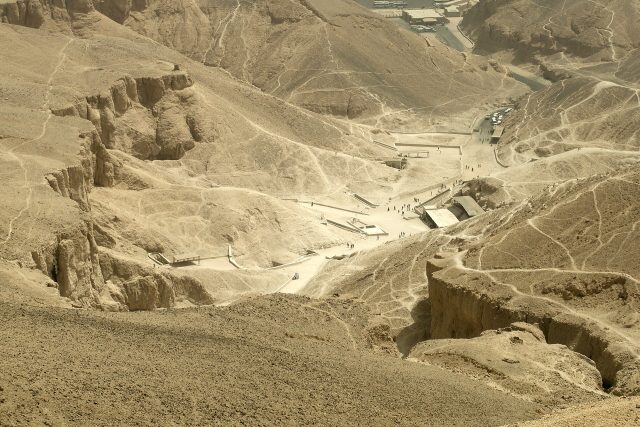
Unlike Karnak, with its overwhelming scale, or the Valley of the Kings, with its air of mystery, Luxor Temple feels more human. It sits at the center of modern Luxor, and life moves around it without pause. School groups arrive in the morning, tourists wander through at midday, and in the evening, families spread out picnics on the grass. The temple isn’t sealed off from the world—it’s part of it, a quiet witness to the passage of time. And yet, when the lights come on at night and the crowds thin, it’s easy to feel the weight of history pressing in. For all its openness, Luxor Temple remains a place where the past lingers, waiting to be rediscovered.