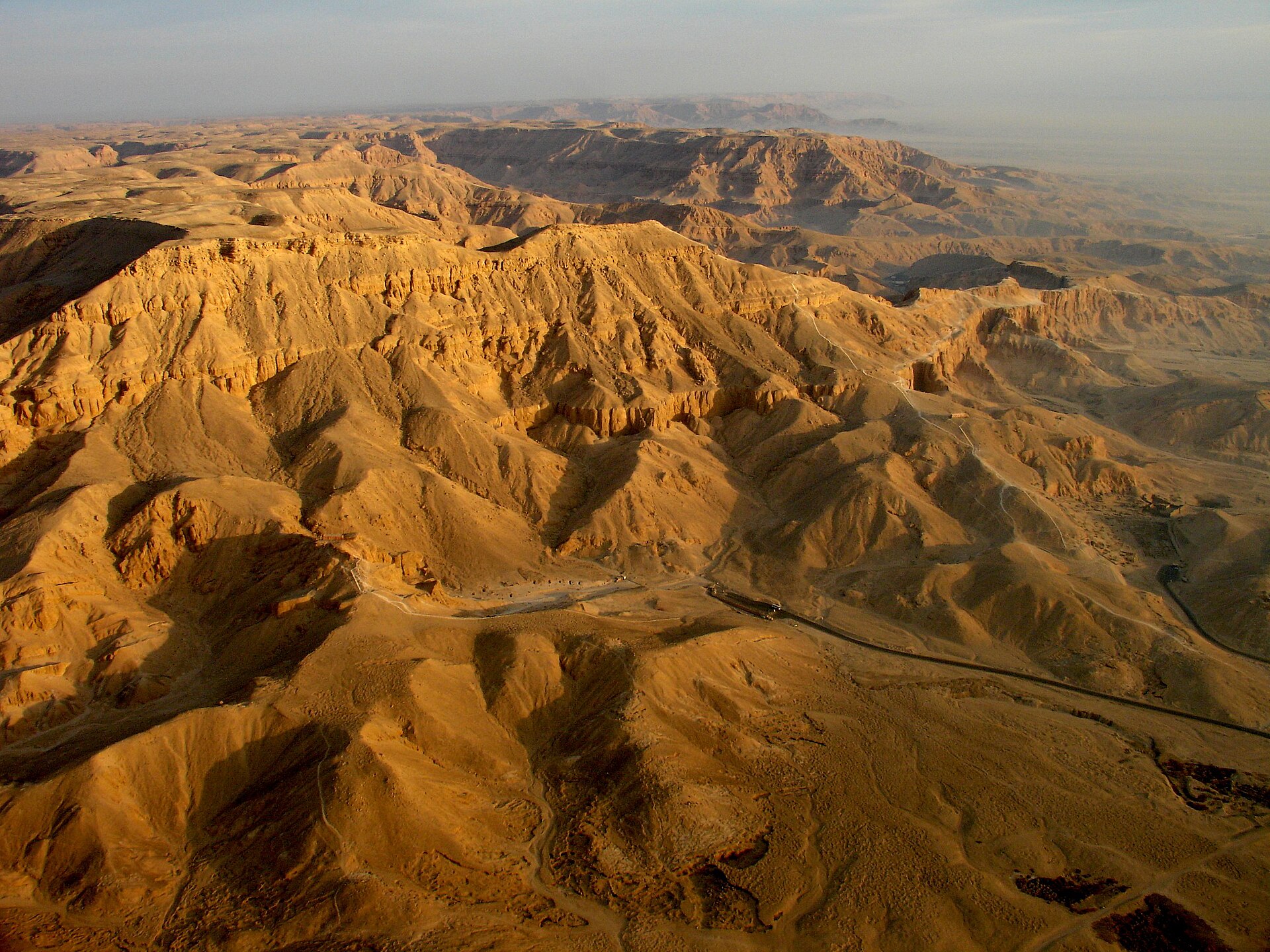
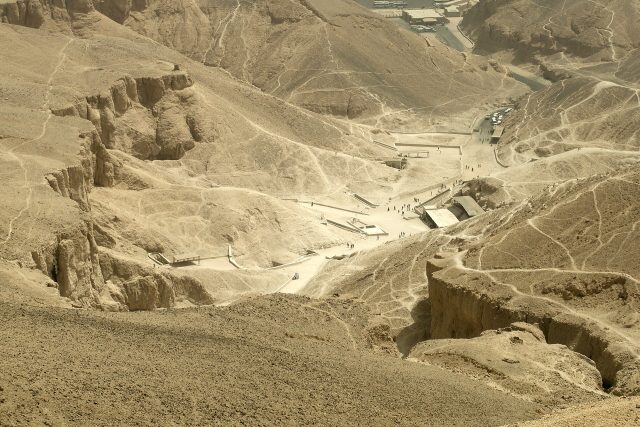
The Valley of the Queens lies on the west bank of the Nile, across from Luxor, where the desert hills cradle the resting places of pharaohs’ wives and children. Unlike the more famous Valley of the Kings, this site feels quieter, almost forgotten by the crowds. The silence of the desert here is broken only by the wind and the weight of history—stories of women who stood beside Egypt’s most powerful rulers, their names now whispered rather than shouted.
Archaeologists began exploring this valley later than its more celebrated neighbor, but what they uncovered was no less remarkable. The tombs here are adorned with paintings that have retained their vivid colors, scenes of the afterlife, gods, and passages from the Book of the Dead. The craftsmanship is astonishing, the details so precise that the stone seems to breathe. These walls were not just decoration; they were a bridge to eternity, a carefully constructed path for the soul’s journey.
Among the tombs, one stands out—Nefertari’s, the beloved wife of Ramses II. Her burial chamber is a masterpiece, its colors still vibrant after millennia. The paintings depict her in the company of gods, her figure graceful, her expression serene. Ramses spared no expense for her resting place, a testament to both his devotion and the importance of her role. It’s rare to find such personal emotion in ancient Egyptian art, where grandeur often overshadows intimacy. Here, though, the human touch is undeniable.
The Valley of the Queens is not just a collection of tombs; it’s a glimpse into the lives of those who shaped an empire from the shadows. These women were more than consorts—they were mothers, advisors, and sometimes even regents. Their tombs reveal not only religious beliefs but also the complexities of power and affection. Nefertari’s tomb, in particular, feels like a love letter carved in stone, a final gift from a king to his queen.
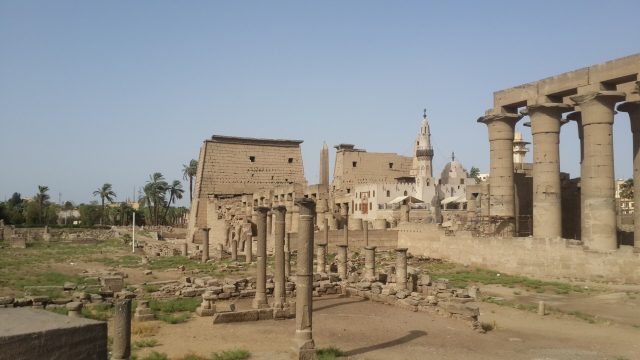
Visiting the valley is a different experience from the bustle of Luxor’s other sites. There are fewer tourists, fewer voices, and more space to wander between the rocky outcrops, imagining the artisans who once worked here. The desert stretches endlessly, its dry air carrying the scent of sunbaked stone and sand—the same air that filled the lungs of the workers who built these tombs. Not all chambers are open to the public; some were looted long ago, others are still being studied. The ones that are accessible require a separate ticket, and their numbers are limited to protect the fragile paintings. This restriction adds to the sense of exclusivity, as if you’re stepping into a place not everyone gets to see.
The valley is still an active archaeological site. Excavations continue, and new discoveries are made regularly, each one adding another layer to our understanding of ancient Egypt. For scholars, it’s a treasure trove of knowledge. For visitors, it’s a chance to stand where history was written, to feel the weight of time in the cool, dim light of a tomb’s interior. The past here doesn’t feel distant; it feels alive, waiting to be uncovered.
The best time to visit is early morning or late afternoon, when the heat is less oppressive and the light softens the harsh edges of the desert. The rocks glow in shades of ochre and terracotta, and if you’re lucky, you might catch a sunset. The sky turns deep purple and orange, a spectacle that makes the hours feel suspended. It’s easy to lose track of time here, to forget the modern world outside.
The Valley of the Queens isn’t just for history enthusiasts. It’s a place where you can feel the fragility and resilience of human civilization. The tombs, with their intricate artistry, remind us of the effort it took to create something lasting. The desert, vast and unchanging, puts everything into perspective. Here, time doesn’t just pass—it lingers, inviting you to listen to the stories it has to tell.