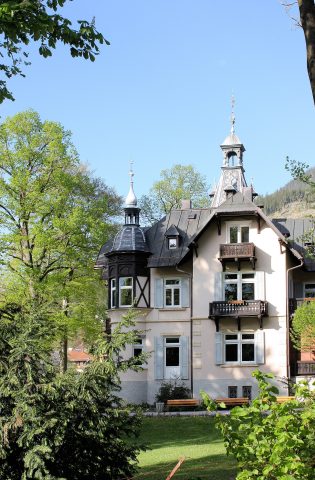
Ludwigstrasse in Garmisch-Partenkirchen isn’t just a street—it’s one of those rare places where time seems to slow down, allowing you to step into the unhurried rhythm of the Bavarian Alps. Stretching through the heart of this resort town, it connects the two historic halves of Garmisch and Partenkirchen, each with its own character. There’s no tourist hustle here, no crowds jostling for space, just a quiet invitation to wander, breathe in the mountain air, and let the cobblestones echo your footsteps. It’s the kind of place where you can linger without purpose, watching the light shift across the facades of old houses or pausing to listen to the distant chime of church bells.
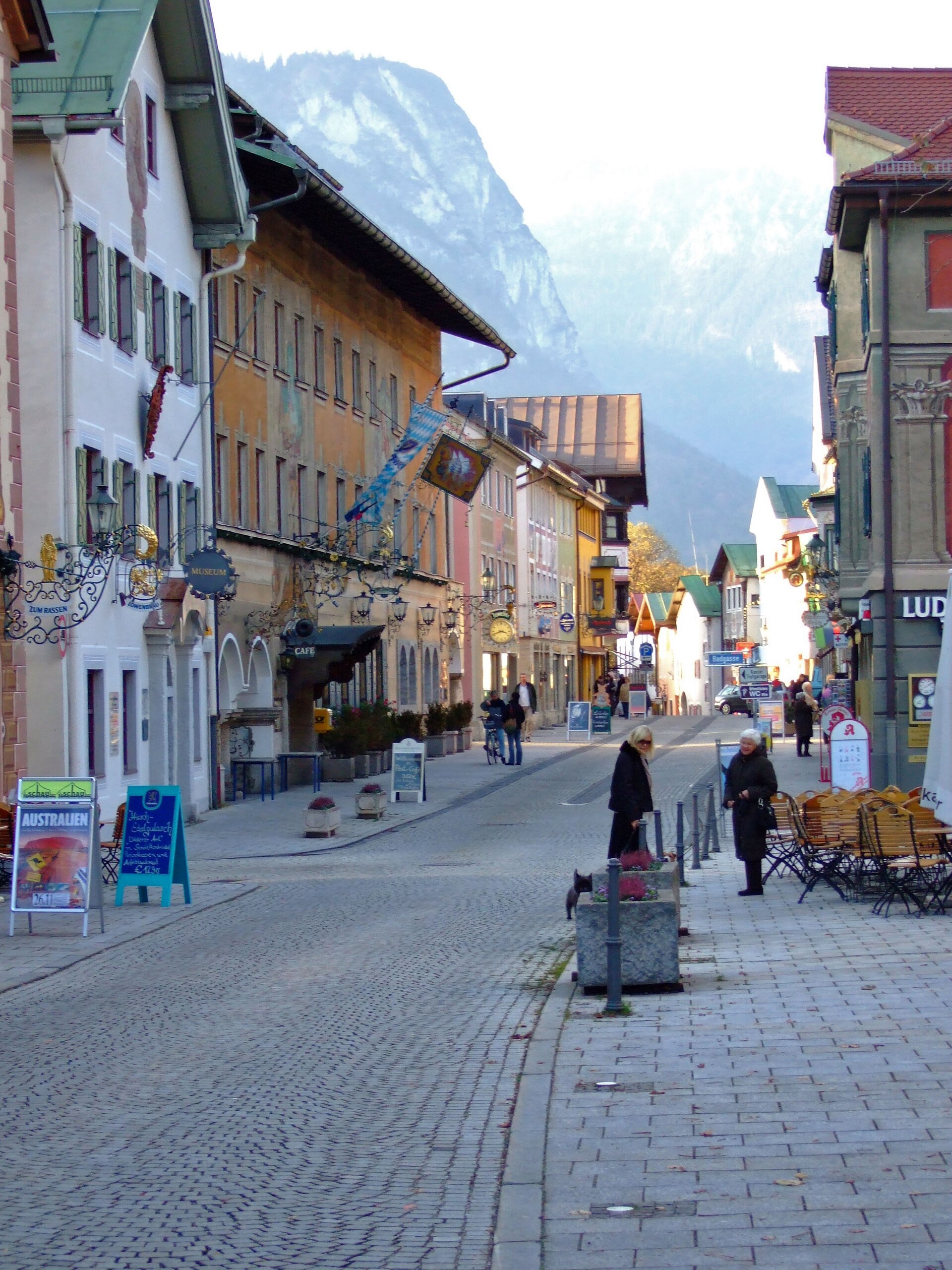
The architecture along Ludwigstrasse tells a story of tradition and craftsmanship, shaped by the region’s history. Most of the buildings here follow the classic Bavarian style, with steeply pitched roofs designed to shed heavy snow, intricately carved wooden balconies, and shutters painted in cheerful hues. Many date back to the 18th and 19th centuries, when Garmisch-Partenkirchen was still a modest village before its transformation into a sought-after retreat. The old town hall of Partenkirchen stands out with its tall clock tower, a landmark that has marked time for generations. Some houses are adorned with frescoes depicting rural life or religious scenes, a nod to the customs that have endured here for centuries.
The street takes its name from King Ludwig II, a figure deeply tied to Bavaria’s romantic legacy, even though he never set foot in Garmisch-Partenkirchen himself. His influence is felt in the region’s grand castles and artistic heritage, and Ludwigstrasse serves as a quiet tribute to that era. It’s a place where the past and present coexist effortlessly—where locals go about their daily routines alongside visitors who come for the skiing, the scenery, or simply the chance to experience a slice of Alpine life. In summer, you might see families strolling with ice cream cones, while in winter, the street hums with the energy of skiers heading to the nearby lifts.
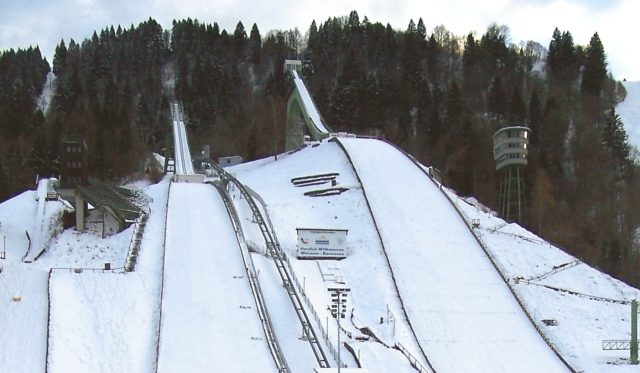
Garmisch-Partenkirchen itself is unique because it was once two separate villages, merged in 1935 to host the Winter Olympics. Ludwigstrasse runs along the invisible line between them, and if you pay attention, you can sense the subtle shift in atmosphere as you move from one end to the other. Partenkirchen retains a more intimate, almost village-like feel, with narrow sidewalks, small shops selling local crafts, and cafés where the scent of freshly baked bread lingers in the air. Garmisch, on the other hand, has a slightly more polished air, with broader streets and modern boutiques. Yet the boundary between them is fluid, and the street seamlessly blends both worlds without erasing their individuality.
Walking along Ludwigstrasse offers a glimpse into everyday life in the Alps, far removed from the tourist crowds of Munich or Nuremberg. There’s a sense of authenticity here, from the bakeries that open at dawn to the cozy inns where guests gather in the evenings. If you stop for a meal, you’ll find hearty Bavarian dishes—schnitzel with potato salad, dumplings in creamy mushroom sauce, or a rich broth made with foraged herbs. On occasion, you might hear the strains of an accordion or fiddle drifting from a nearby restaurant, a reminder of the music that has always been part of the region’s culture.
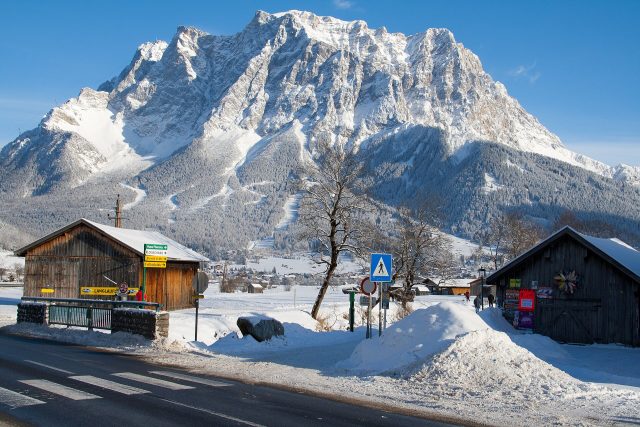
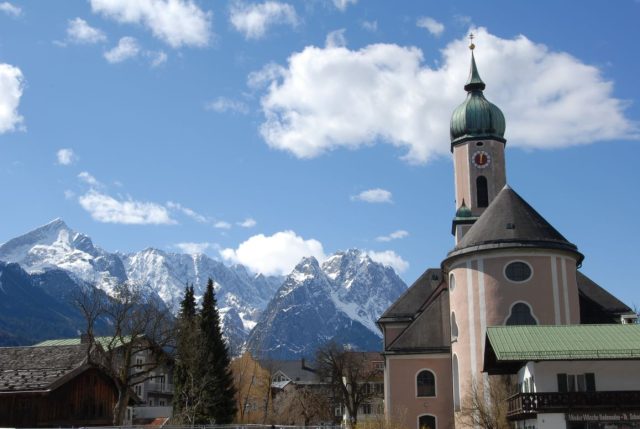
What makes Ludwigstrasse truly special, though, are the views it offers of the surrounding mountains. Even without climbing to the summits, you can feel the presence of the Alps here. On clear days, the snow-capped peak of the Zugspitze, Germany’s highest mountain, looms in the distance, its slopes visible from the street. In winter, Ludwigstrasse transforms into a postcard scene, with houses dusted in snow and wreaths hanging from lampposts. The town becomes a hub for skiers and winter sports enthusiasts, yet the street never loses its peaceful charm. It’s as if the mountains themselves keep the pace slow, encouraging visitors to pause and take in the moment.
Despite being one of the town’s most famous landmarks, Ludwigstrasse hasn’t been turned into a tourist trap. There are no flashy souvenir shops or overpriced attractions—just the quiet dignity of a place that has remained largely unchanged. That’s perhaps why it feels so genuine. It doesn’t try to impress; it simply exists, carrying within it the spirit of old Bavaria. As you walk along the cobblestones, it’s easy to imagine the generations of people who have passed this way, the stories these buildings could tell, and how remarkable it is that such a place still feels alive, untouched by the rush of modern life.