Old Crimea feels like a place where time has paused, its quiet streets and tiled roofs holding the weight of history in a way few towns do. The air carries the scent of pine and wild herbs from the surrounding foothills, and the only sounds breaking the stillness are the distant chatter of locals and the occasional rustle of leaves. It’s easy to imagine writers and artists from another era wandering these same lanes, finding inspiration in the soft light and unhurried pace of life. The Literary and Art Museum sits at the heart of this atmosphere, not just as a collection of artifacts, but as a quiet witness to how this corner of Crimea shaped some of Russia’s most beloved creative minds.
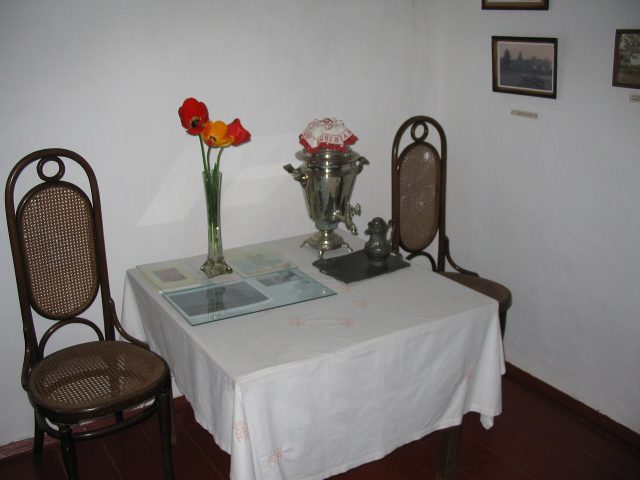
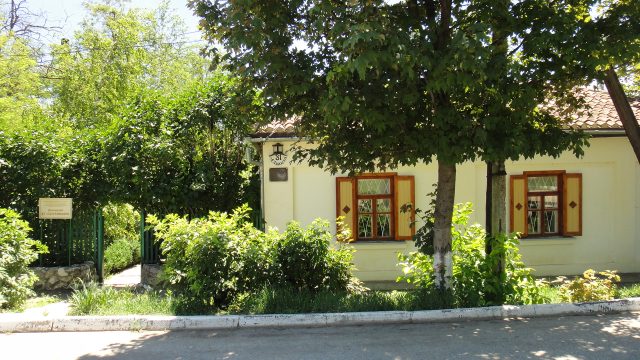
The museum occupies a house built in the late 19th century, its architecture a blend of classical elegance and local craftsmanship. High ceilings, intricate moldings, and large windows frame the gentle Crimean sunlight, casting shifting patterns across the floors. The building itself is a relic of the past, its walls holding stories of the families who once lived here and the visitors who passed through. Stepping inside feels like entering a different time, where every detail—the worn wooden banisters, the faded wallpaper—hints at lives lived in quiet contemplation.
At the core of the museum’s collection are the traces left behind by writers and artists who called Old Crimea home, even if only for a season. The most prominent figure here is Alexander Grin, the author of fantastical tales that still captivate readers today. Grin spent his final years in Old Crimea, and it was here that he wrote some of his most enduring works. The museum preserves fragments of his life: photographs of the writer with his characteristic pipe, pages of handwritten manuscripts, and well-worn copies of his books with personal inscriptions. There’s a sense of intimacy in these displays, as if Grin might step into the room at any moment, ready to continue his work.
But Grin is only one thread in the museum’s tapestry. The collection also honors other literary figures who found their way to Crimea, drawn by its landscapes and light. Maxim Gorky, who sought refuge here during turbulent times, left behind letters and sketches that reveal his deep connection to the region. Konstantin Paustovsky, another frequent visitor, captured the essence of Old Crimea in his prose, describing its streets and people with a warmth that lingers in the museum’s exhibits. These writers didn’t just pass through; they wove the spirit of the place into their work, and the museum ensures their voices aren’t forgotten.
Artists, too, have long been drawn to Crimea’s dramatic scenery, and the museum showcases their interpretations of the land. Paintings of misty mountains, sunlit vineyards, and the quiet charm of Old Crimea’s streets line the walls, each one a testament to the region’s ability to inspire. Some works are bold and impressionistic, while others are delicate studies of light and shadow, but all share a reverence for the landscape. The artists who created them weren’t just documenting the scenery—they were trying to capture something deeper, the elusive mood that makes Crimea feel like a place out of time.
Beyond its permanent exhibits, the museum keeps the creative spirit alive with temporary displays and events. Contemporary writers and artists often gather here for readings, discussions, and workshops, bridging the gap between past and present. Visitors might stumble upon a poetry recital in the courtyard or a small exhibition of modern paintings in the upstairs gallery. These moments of connection—between artists, between eras—give the museum a sense of vitality, as if the stories it holds are still unfolding.
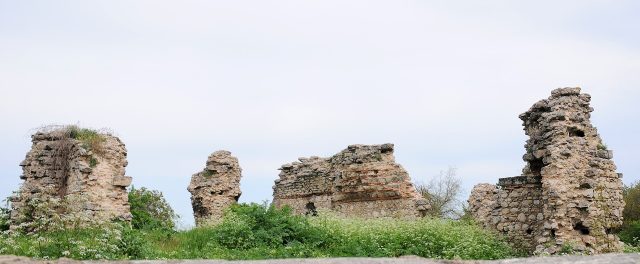
Old Crimea itself is a kind of open-air museum, its narrow streets and crumbling facades telling their own tales. The Literary and Art Museum is one of its quiet treasures, a place where the past feels tangible without being overwhelming. There’s no grand spectacle here, no attempt to dazzle with scale or technology. Instead, the museum offers something rarer: a chance to slow down, to listen to the echoes of creativity that still resonate in these rooms. It’s a reminder that inspiration isn’t something reserved for grand cities or famous studios—it can be found in the most unassuming places, if you know where to look.
A visit here isn’t just about seeing; it’s about feeling. The museum doesn’t shout its importance, but the stories it holds are deeply human—full of longing, beauty, and the quiet persistence of art. Whether you’re drawn by the legacy of Grin, the allure of Crimea’s landscapes, or simply the chance to step into a slower rhythm of life, the museum offers a way to experience the region through the eyes of those who loved it most. It’s a place where literature and art don’t just belong to the past; they’re still alive, waiting to be rediscovered.