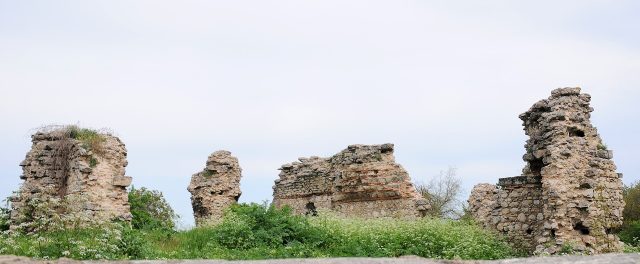
Old Crimea feels like a place where time has paused. The streets wind between low houses with tiled roofs, their gardens thick with fruit trees. The air carries the distant cry of gulls, and you can almost see the past—writers, artists, and poets who once sought refuge here.
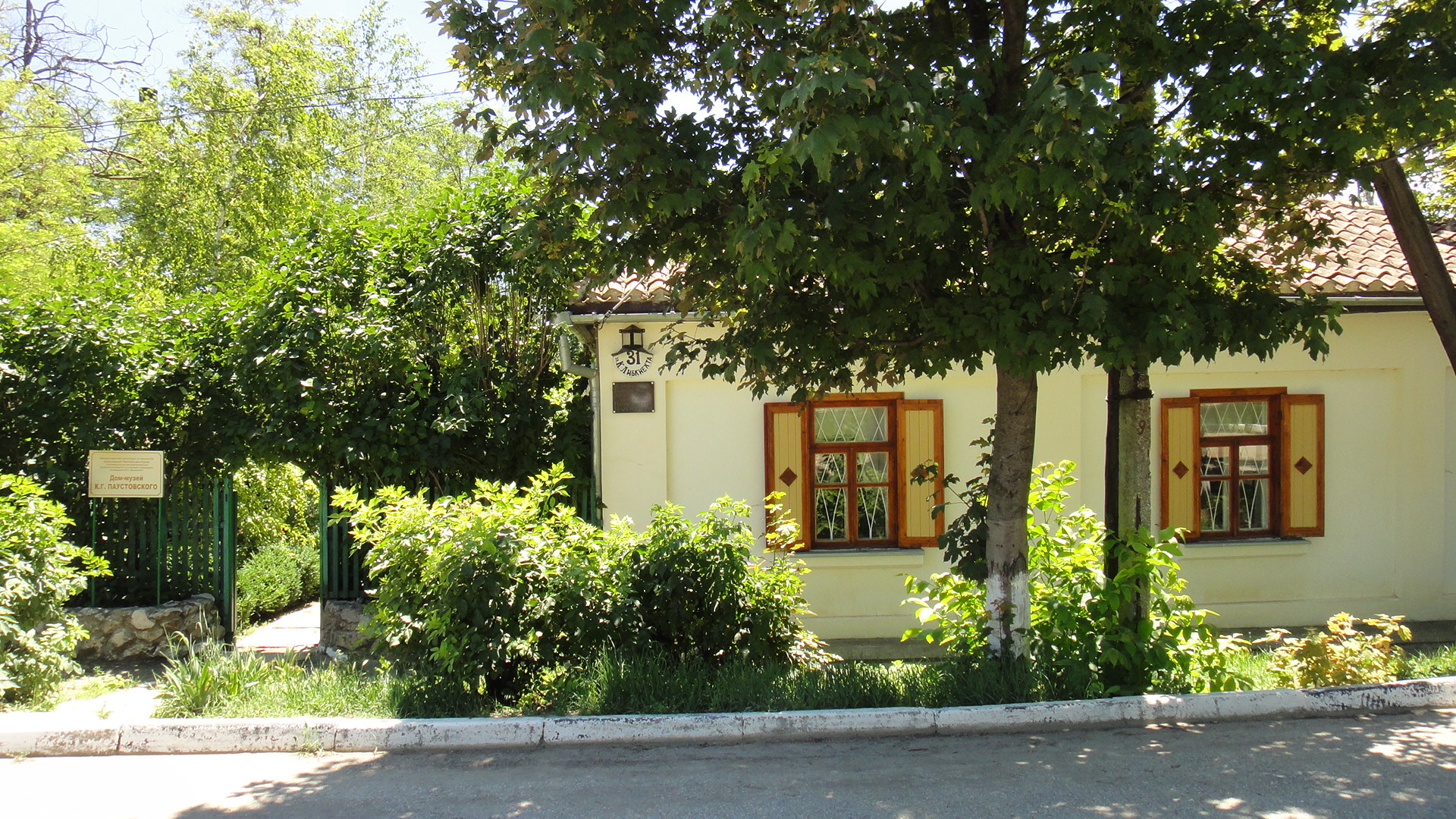
Konstantin Paustovsky’s house stands among them, unassuming yet deeply personal.
The House and Its Keeper
The museum sits on the edge of town, in a garden of old apple and pear trees. The house—a one-story building with a veranda—was built in the early 1900s. Paustovsky moved here in 1954 and lived in it until his death in 1968. He wrote, walked the hills, and met friends in this quiet space.
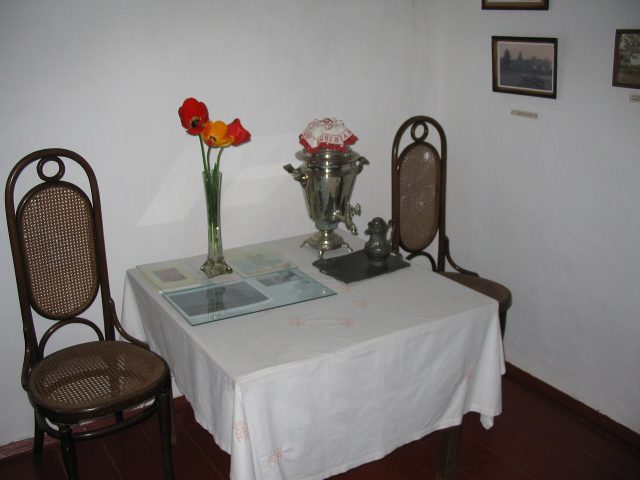
Inside, the rooms remain much as they were. The living room holds his writing desk, still set with an inkwell, glasses, and books. Photographs cover the walls: Paustovsky with his wife, with friends, on walks through the countryside. The bedroom feels lived-in—his bed, his clothes in the wardrobe, slippers by the door. It’s as if he might return at any moment.
A Place That Shaped His Words
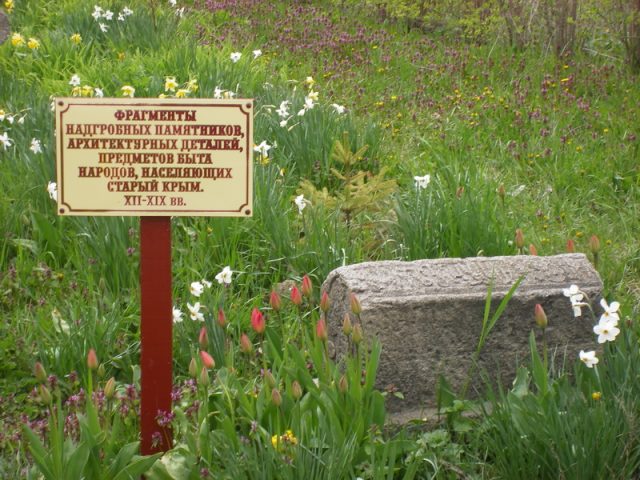
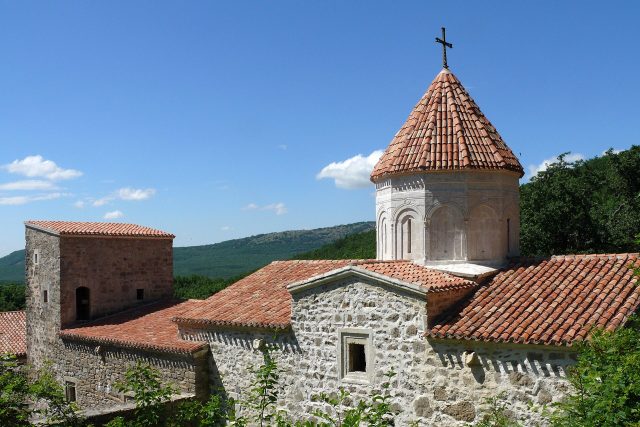
Old Crimea sits in the foothills of the Crimean mountains, surrounded by green slopes and vineyards. Its history is layered—Genoese, Tatar, and Russian influences still visible in its streets. Paustovsky wandered here often, visiting old cemeteries and climbing Mount Agarmysh for views of the sea. These walks found their way into his stories, making the landscape a silent character in his work.
The town’s quiet rhythm suited him. He once wrote that beauty would save the world, and in this place, that idea feels tangible—not in grandeur, but in the way light falls through leaves or how the wind moves across the hills.
Why People Come
The museum isn’t just about exhibits. Students, writers, and travelers visit to feel the atmosphere of Paustovsky’s time. Sometimes, the house hosts literary evenings or small concerts in the garden. Other times, people simply sit on the veranda, talking about books or listening to the rustle of leaves.
There’s no rush here. You can linger, sip tea, and think about what it means to find a place that feels like home.
Visiting leaves a quiet impression. The house still holds the warmth of creativity, even though Paustovsky is gone. His books, his thoughts, and his love for this corner of the world remain. And for a moment, you become part of that story.
You’ll want to return—not for grand sights, but for the chance to sit on the veranda again, to listen to the wind, and to remember that real life isn’t just about noise. Sometimes, it’s about the quiet places where you feel most yourself.