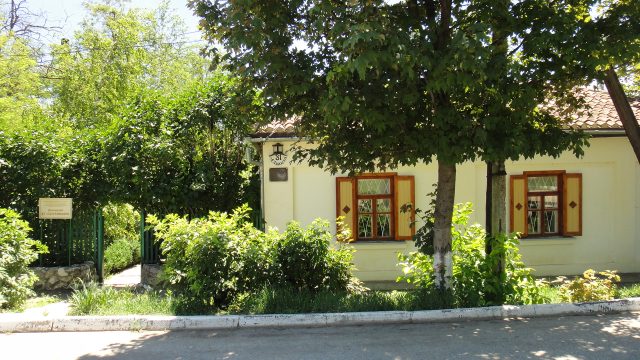
Alexander Grin’s House-Museum in Old Crimea is one of those rare places where the past doesn’t just linger—it breathes. Tucked away on a quiet street, this modest two-story house with its whitewashed walls and green shutters feels frozen in the early 20th century, as if the writer himself might step out at any moment. Grin, one of Russian literature’s most poetic dreamers, spent the last years of his life here, from 1930 to 1932, crafting some of his most beloved works, including *The Scarlet Sails* and *Running on the Waves*. The house isn’t just a museum; it’s a portal into the world he imagined, where reality and fantasy blurred so seamlessly in his stories.
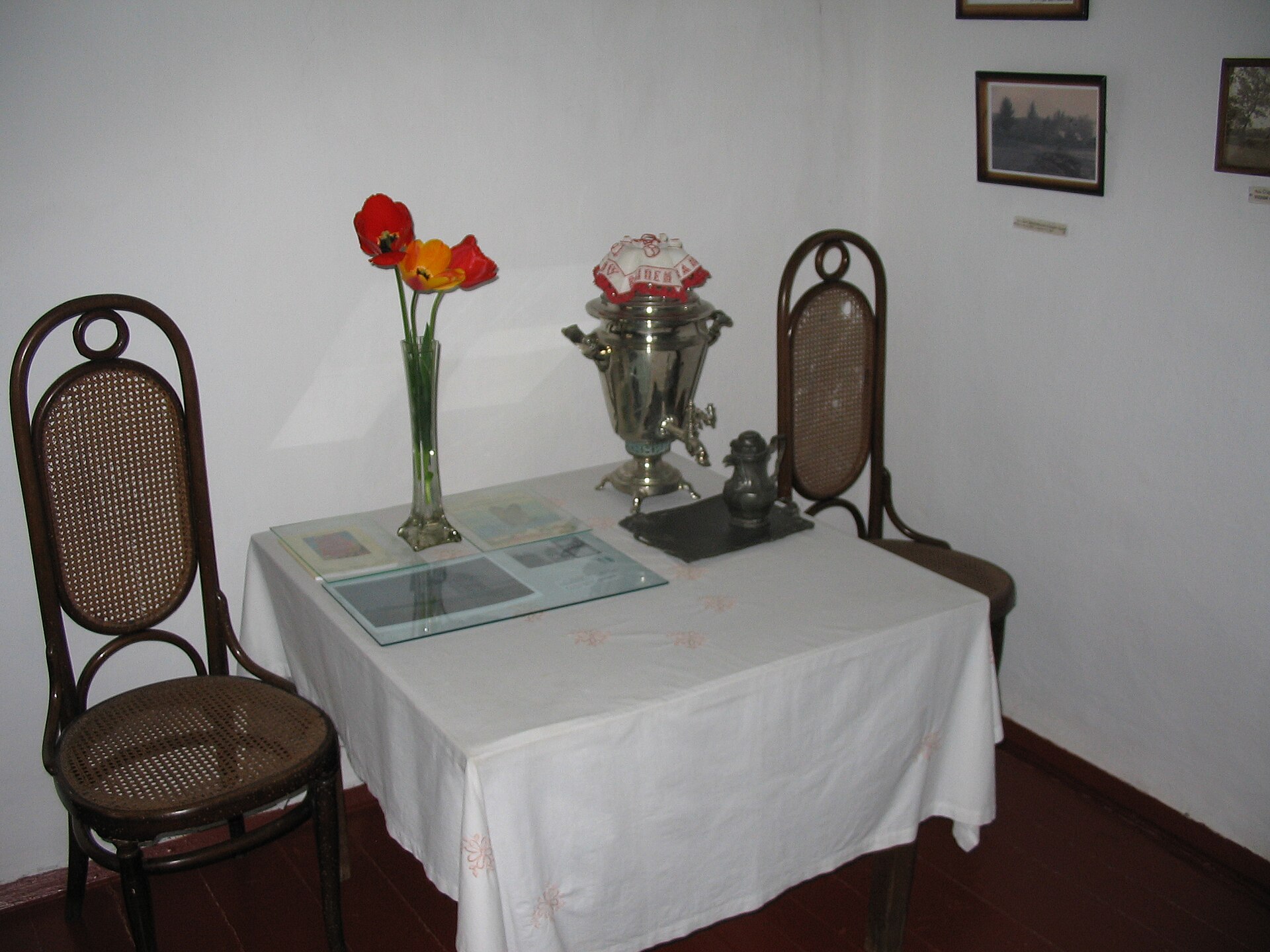
Built in the late 1800s, the house originally belonged to a local doctor before Grin and his wife, Nina, rented it. Nina, who became his closest confidante and muse, played a crucial role in his life during these years. The museum’s interior has been carefully restored based on photographs and the memories of those who knew them, preserving the atmosphere of the time. The rooms are filled with period furniture, books, and personal belongings—each object telling a quiet story. Grin’s study, in particular, feels almost sacred: a small desk by the window, an inkwell, scattered manuscripts, and a map of the fictional lands that populated his novels. It’s easy to picture him here, lost in thought, weaving another tale of distant shores and daring adventures.
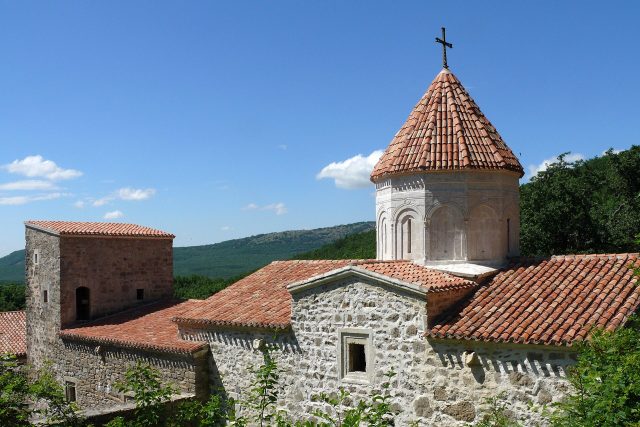
Old Crimea was more than just a home for Grin; it was a wellspring of inspiration. The town’s narrow streets, old stone houses, and proximity to the sea evoked the same sense of mystery and possibility that filled his stories. He often wandered the surrounding hills and coastline, drawing from the rhythms of local life to shape his narratives. Even today, the town retains that unhurried, timeless quality. Walking its streets, you can almost hear the echo of Grin’s footsteps, feel the same quiet that once cradled his imagination.
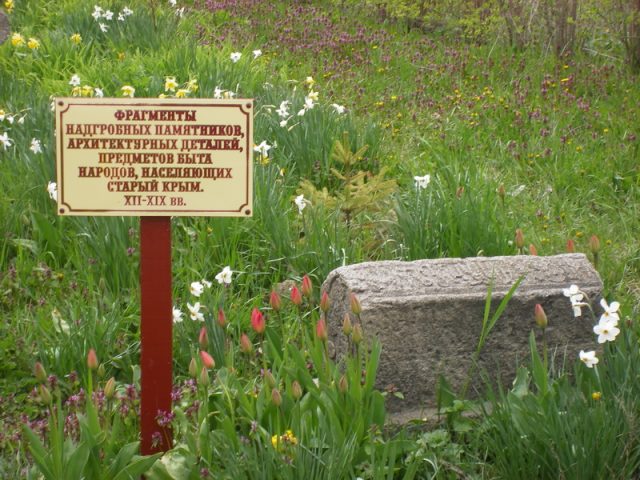
The museum extends beyond the house itself. In the courtyard, a small garden—much as it was in Grin’s time—offers a peaceful retreat. Mulberry, fig, and grapevines shade the benches, and it’s not hard to imagine the writer sitting here, notebook in hand, jotting down ideas as the sea breeze rustled the leaves. Just a short walk away, on a gentle hill, lies Grin’s grave—a simple monument with a view of the town and the distant shimmer of the Black Sea. For many visitors, this spot becomes a quiet pilgrimage, a place to reflect on the man who turned dreams into literature.
The museum’s history is as understated as the writer’s life. After Grin’s death in 1932, the house fell into disrepair, nearly forgotten until the 1960s, when local enthusiasts and Nina Grin herself worked to preserve it. What began as a modest exhibit grew into a cultural hub, hosting literary gatherings, readings, and discussions about Grin’s legacy. Today, the museum feels less like a static display and more like a living tribute, where his stories are still shared and celebrated.
For many, visiting the house is less about seeing artifacts and more about stepping into the world Grin created. His characters—dreamers, sailors, and adventurers—seem to linger in the air, especially in the room dedicated to his children’s stories. Here, illustrations from *The Scarlet Sails* and other tales bring back childhood memories of far-off voyages and impossible dreams. It’s a reminder of how deeply his writing resonated, not just with adults but with generations of young readers who saw the world through his eyes.
Old Crimea itself is a place where reality and imagination still intertwine, much like in Grin’s stories. The town hasn’t changed dramatically since his time, and that continuity makes the museum feel even more authentic. Wandering through its rooms, you’re not just learning about a writer—you’re experiencing the quiet magic that fueled his work. It’s a place that makes you believe, if only for a moment, in the power of dreams to shape the world around us.