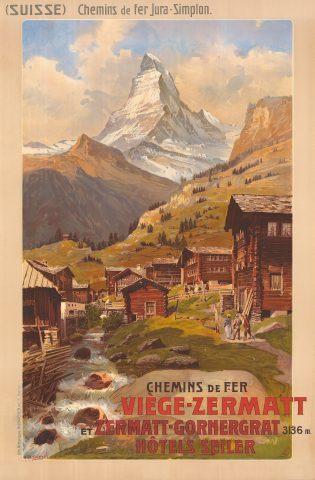
Nestled in the Swiss Alps near Zermatt, the Findelen Glacier is one of those rare places where the mountains feel almost alive, as if nature itself arranged every detail to remind visitors of their grandeur. The glacier flows slowly down the valley, its icy surface shifting over time, leaving behind moraines and small, milky-blue lakes fed by meltwater. On clear days, the Matterhorn rises in the distance, its jagged peak so close it seems you could reach out and touch it. There’s no bustle of resort towns here, just the quiet rustle of wind through the rocks and the occasional cry of a chamois echoing across the slopes.
The history of Findelen is closely tied to Zermatt’s own past. For centuries, this valley was a remote corner of the Alps, accessible only to shepherds and a handful of adventurous travelers. Locals used the alpine meadows for grazing cattle, while the glacier was seen as an unchanging force of nature. That began to shift in the late 19th century, when Zermatt transformed into a fashionable destination for mountaineers and tourists. Findelen became a place of pilgrimage for those seeking the raw beauty of the high Alps, and while the trails are now well-marked, the sense of untouched wilderness remains.
There’s no grand architecture here—just the handiwork of nature, though a closer look reveals traces of human presence. Old stone and timber huts, once used by shepherds, now serve as shelters for hikers. Some of these structures have stood for generations, back when the valley was still a hidden gem. Around them, low-growing alpine grasses sway in the wind, and narrow paths worn by centuries of footsteps crisscross the slopes.
Findelen isn’t just a glacier; it’s a delicate ecosystem where every element exists in balance. In summer, edelweiss and gentians bloom among the rocks, while lizards bask in the sun. Meltwater from the glacier feeds streams that eventually flow into the valleys below. Winter blankets everything in snow, and only the occasional tracks of wildlife hint at the life that persists beneath the surface. For many, this is the Alps as they should be—wild, quiet, and untouched by crowds.
The most common way to reach Findelen is on foot from Zermatt. The trail starts near the base of the cable car to Schwarzsee and winds upward, taking about two hours. The walk is never dull, with ever-changing views and the scent of pine and alpine herbs in the air. For those who prefer not to hike, a funicular runs to Sunnegga, where a gentler path leads the rest of the way. Either route rewards the effort with a sense of arrival in a place that feels far removed from the modern world.
Findelen holds deep significance for the region, both as a natural wonder and a cultural landmark. Locals treat the glacier with respect, knowing it’s not just a source of water and beauty but also a barometer of climate change. Like many Alpine glaciers, Findelen has retreated noticeably in recent decades, a visible reminder that these mountains are not static but constantly evolving. It’s a place that forces you to confront the passage of time, even as it offers a momentary escape from it.
The atmosphere here is one of quiet energy. On sunny days, the glacier glows like polished glass, while clouds cast shifting shadows across the slopes. By evening, when the last hikers have left, the valley falls silent, save for the wind threading through the rocks. It’s a place where you can sit undisturbed, watching the light change on the Matterhorn or simply listening to the stillness. For some, it becomes a space for reflection; for others, a chance to disconnect from the noise of daily life.
In winter, Findelen becomes part of Zermatt’s vast ski area, with slopes for skiers and snowboarders winding down from the glacier. Even in peak season, it’s quieter than the main resorts, attracting those who prefer solitude and untouched snow. Summer brings hikers, photographers, and nature lovers, all drawn to the Alps in their most unfiltered form. Whether blanketed in snow or dotted with wildflowers, the valley retains a sense of timelessness.
What makes Findelen special isn’t its size or spectacle, but its ability to make you feel small in the best possible way. There’s no fanfare here, no attempt to impress—just the quiet power of the mountains. It’s a place that puts everyday concerns into perspective, reminding you of the vastness of the natural world. And perhaps that’s why people keep coming back: to recapture that sense of connection, to stand in the presence of something enduring, and to carry a little of that stillness with them when they leave.