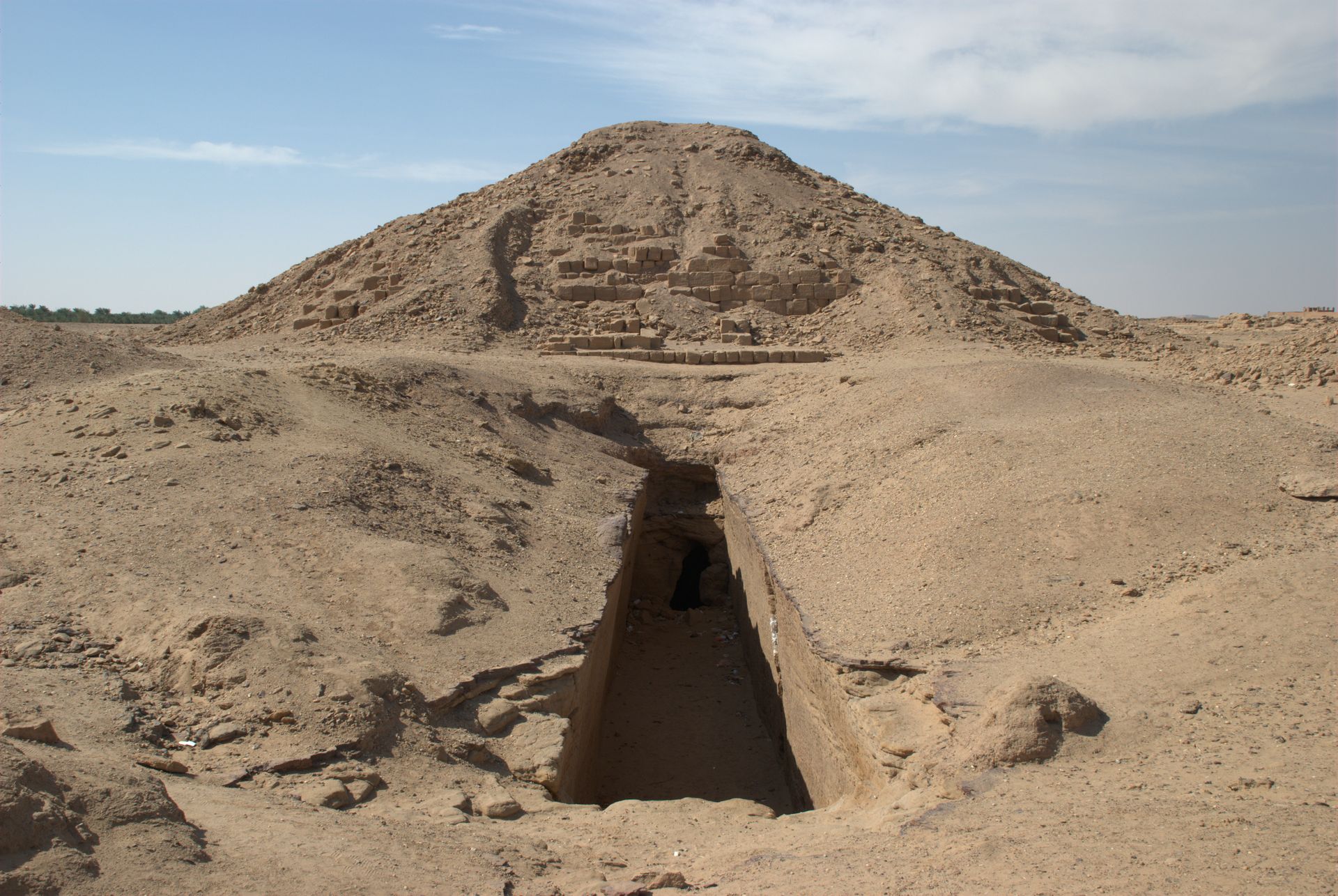
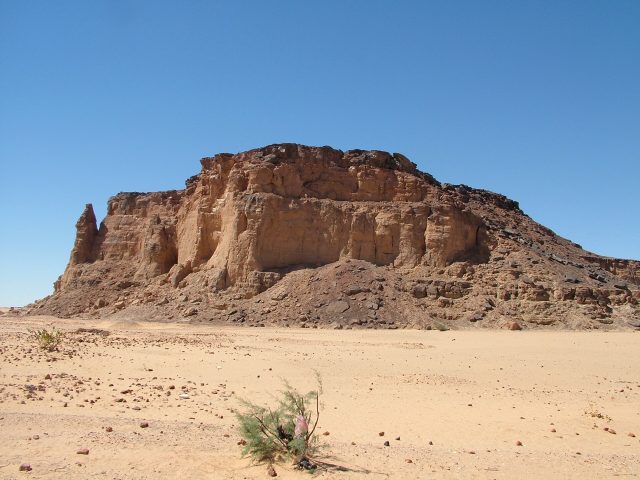
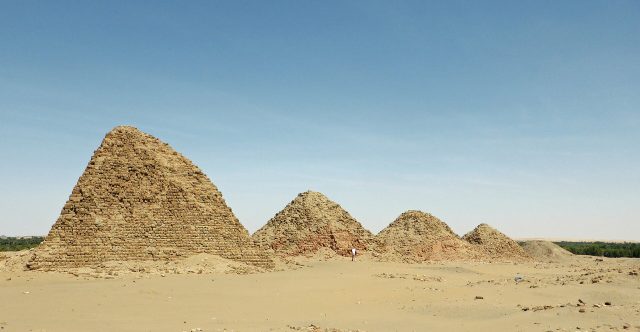
The pyramids of El-Kurru stand in northern Sudan. Here, the past feels almost tangible. A short distance from the ancient city of Napata, these burial mounds hold the remains of the Kushite kings. They ruled a kingdom stretching from the southern borders of Egypt deep into Africa. Among them lie the first pharaohs of the Twenty-Fifth Dynasty, called the Black Pharaohs. For a century, they united Egypt and Kush under their rule. Their tombs, carved into the rock and crowned with pyramids, mark a time when an African civilization challenged the ancient world.
Unlike the pyramids of Egypt, those at El-Kurru are smaller. Their proportions blend with the surrounding desert. The structures here focus on precision—each angle, each line, deliberately chosen. Inside the tombs, faded reliefs and paintings still cling to the walls. They depict scenes of the afterlife, gods, and rulers. Crowns, scepters, and offerings appear in detail, especially in the tomb of King Piye, the dynasty’s founder. The craftsmanship remains visible even after centuries.
El-Kurru was a sacred necropolis. Priests and pilgrims came to honor their kings. The Kushite rulers adopted Egyptian traditions, including reverence for the dead. Yet their approach differed. Egyptians built pyramids as symbols of the sun. The Kushites saw them as gateways to another world. That might explain why the pyramids here stand so close together. The rulers wished to remain in company even in death.
The site feels still and empty. The silence is deceptive.
The wind carries faint sounds—the whisper of sand, the creak of ancient stone. Locals rarely visit. They consider it a place of spirits. For travelers, El-Kurru offers a chance to step into history without crowds. There are no guided tours, no souvenir stalls. Just the desert, the wind, and the past.
Visiting El-Kurru requires preparation. The journey takes you through stark landscapes where oases hint at life. The best times to come are early morning or late afternoon. The sun is less harsh then. Shadows stretch long across the sand. The tombs are usually open. Stepping inside demands caution—the stairs are worn, the air stale. Photography is allowed, but without flash, to protect the paintings.
This is a place where history lingers. You can walk between the pyramids and imagine the lives of those who built them. El-Kurru doesn’t try to impress. It simply exists, like the desert and the sky. No explanations, no distractions—just time.
Sudan’s history is complex. Many of its ancient sites remain underexplored. Archaeologists continue to uncover new tombs and artifacts at El-Kurru. Each discovery reshapes our understanding of the Kushite civilization. Every year brings fresh revelations. No one knows what secrets still lie buried beneath the sand. For those who make the journey, it’s a chance to witness history as it unfolds.