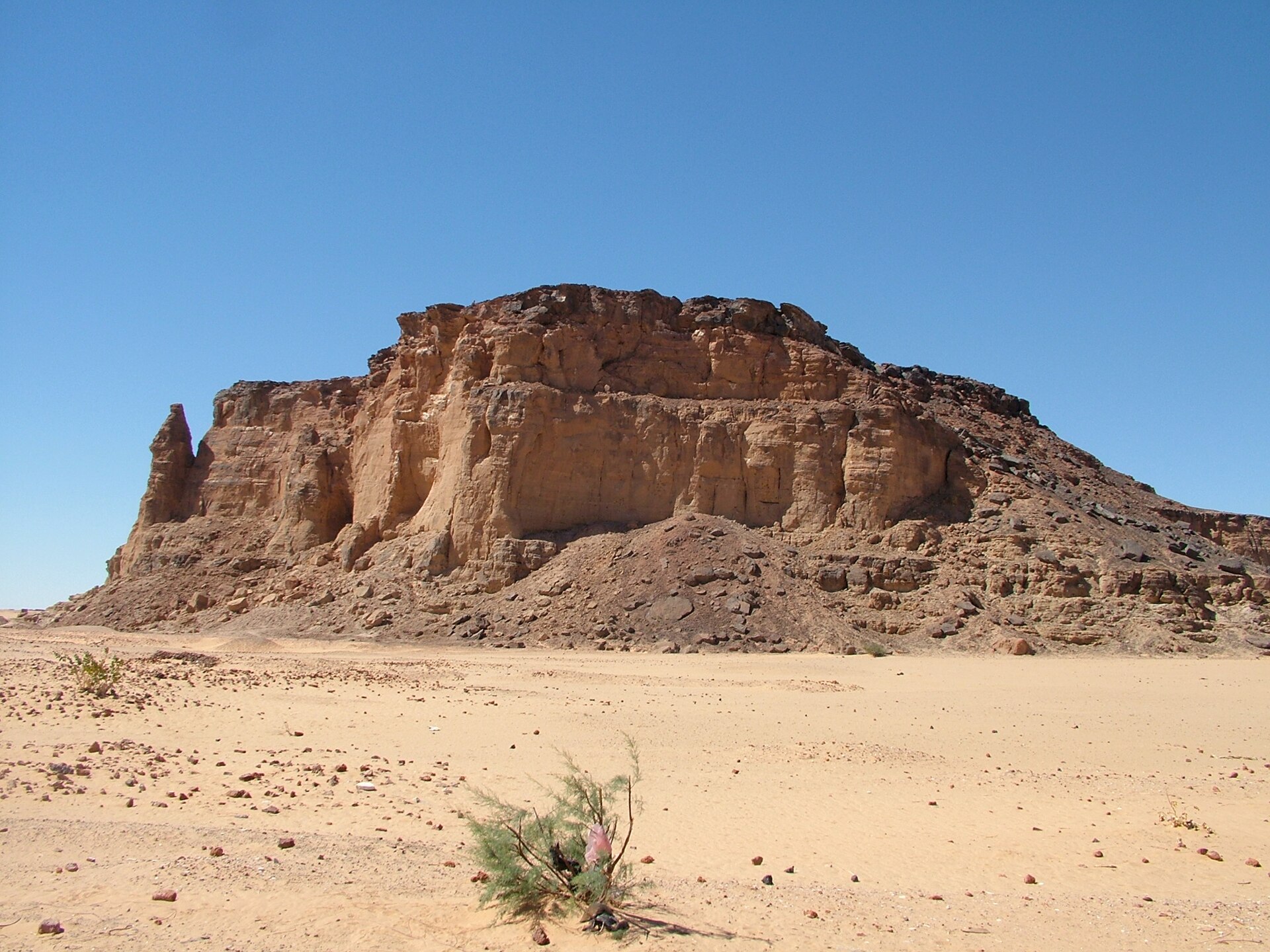
Jebel Barkal rises from the Nubian Desert like a silent sentinel of kingdoms long faded into history. This solitary mountain, standing four hundred meters above the Nile Valley, is more than just a geological formation—it was the sacred heart of a civilization that shaped the fate of an entire region. For the ancient Nubians, it was not merely a mountain but a divine presence, a place where earth met sky and where pharaohs and kings sought the favor of their gods. Even now, its sheer presence evokes a sense of timelessness, as if the weight of centuries still lingers in the air.
The story of Jebel Barkal is inseparable from the Kingdom of Kush, a power that once rivaled and even dominated Egypt. In the 8th century BCE, the Kushite rulers—known as the Black Pharaohs—moved their capital here from the more southern city of Meroë, transforming the mountain into the religious and political core of their empire. It became a symbol of authority, a sacred site where temples were built to honor both Egyptian and Nubian deities. Later, as Christianity spread through the region, the mountain took on new spiritual significance, its slopes dotted with churches that stood as testaments to another era of faith. The ruins of these temples, particularly those dedicated to Amun, still whisper of a time when Kush was not just a province of Egypt but its equal.
The architecture of Jebel Barkal is striking not for its size but for its symbolism. The temples at its base seem to grow naturally from the rock, their lines echoing the mountain’s contours as if they were extensions of the earth itself. The most famous among them is the Temple of Amun, built by Pharaoh Taharqa, whose name is still visible in the hieroglyphs carved into its walls. Though modest in scale, the temple’s columns and reliefs convey a sense of grandeur, depicting gods and rulers in scenes of ritual and power. Nearby, the Great Temple’s walls are adorned with battle scenes and ceremonies, offering a glimpse into the might of the Kushite kings. Centuries later, Christian churches were built among these ruins, layering new meaning onto an already sacred landscape.
What makes Jebel Barkal truly remarkable is the way nature and history intertwine here. The mountain’s jagged peak resembles a colossal obelisk, as if the land itself had been shaped by divine hands. Local legends say this was where the god Amun first appeared to mortals, and the mountain was revered as his earthly home. Even today, the wind sweeping across the desert seems to carry echoes of ancient prayers, the murmurs of priests invoking rain or victory. At dusk, when the setting sun bathes the sands in gold, the mountain takes on an almost otherworldly presence, as if time itself has paused to let the past breathe through the stones.
For modern travelers, Jebel Barkal offers a rare chance to step into a history that is often overlooked. Unlike the crowded ruins of Egypt or the well-trodden paths of Rome, this place remains quiet, disturbed only by the soft crunch of sand underfoot. The local Nubian people, descendants of those who once built these temples, still regard the mountain with reverence. They speak of spirits dwelling in the caves at its base and of treasures hidden within its depths—stories that may be more myth than reality but add to the mountain’s mystique. There are no grand reconstructions here, no tourist traps, just the raw, unfiltered presence of the past.
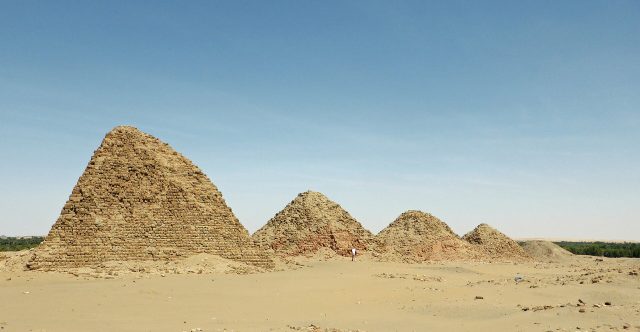
Visiting Jebel Barkal is like traveling through time. From its summit, the Nile Valley stretches out below, a lifeline that has sustained civilizations for millennia. The ruins of ancient settlements lie scattered across the landscape, their once-bustling streets now silent under the desert sun. At the mountain’s base, the royal necropolises of Kushite rulers hold pyramids that, though smaller than their Egyptian counterparts, possess a stark beauty of their own. These structures are simpler, more austere, reflecting the Nubian culture’s preference for understated elegance over extravagance.
What sets Jebel Barkal apart is its authenticity. There are no museum displays or reconstructed facades here—just the weathered stones and the quiet that has settled over them like dust. The air itself seems to hold the weight of history, unfiltered and unadorned. For those who seek more than just a tourist attraction, this mountain offers something deeper: a connection to a past that is still alive in the land itself. It doesn’t demand admiration or awe; it simply exists, as enduring as the river that has flowed beside it for thousands of years.
Perhaps that is its greatest strength. Jebel Barkal doesn’t need to be anything more than what it is. It doesn’t require restoration or promotion because its story is written in the stone, in the very shape of the land. Each visitor who comes here reads that story differently—some see it as a chronicle of empires, others as a testament to faith, and still others as a reminder that even in the most barren corners of the world, great civilizations once thrived. The mountain stands as it always has, a silent witness to the rise and fall of kingdoms, a place where the past is never truly gone.