Anatori Fortress: A Forgotten Ridge Above Stepantsminda
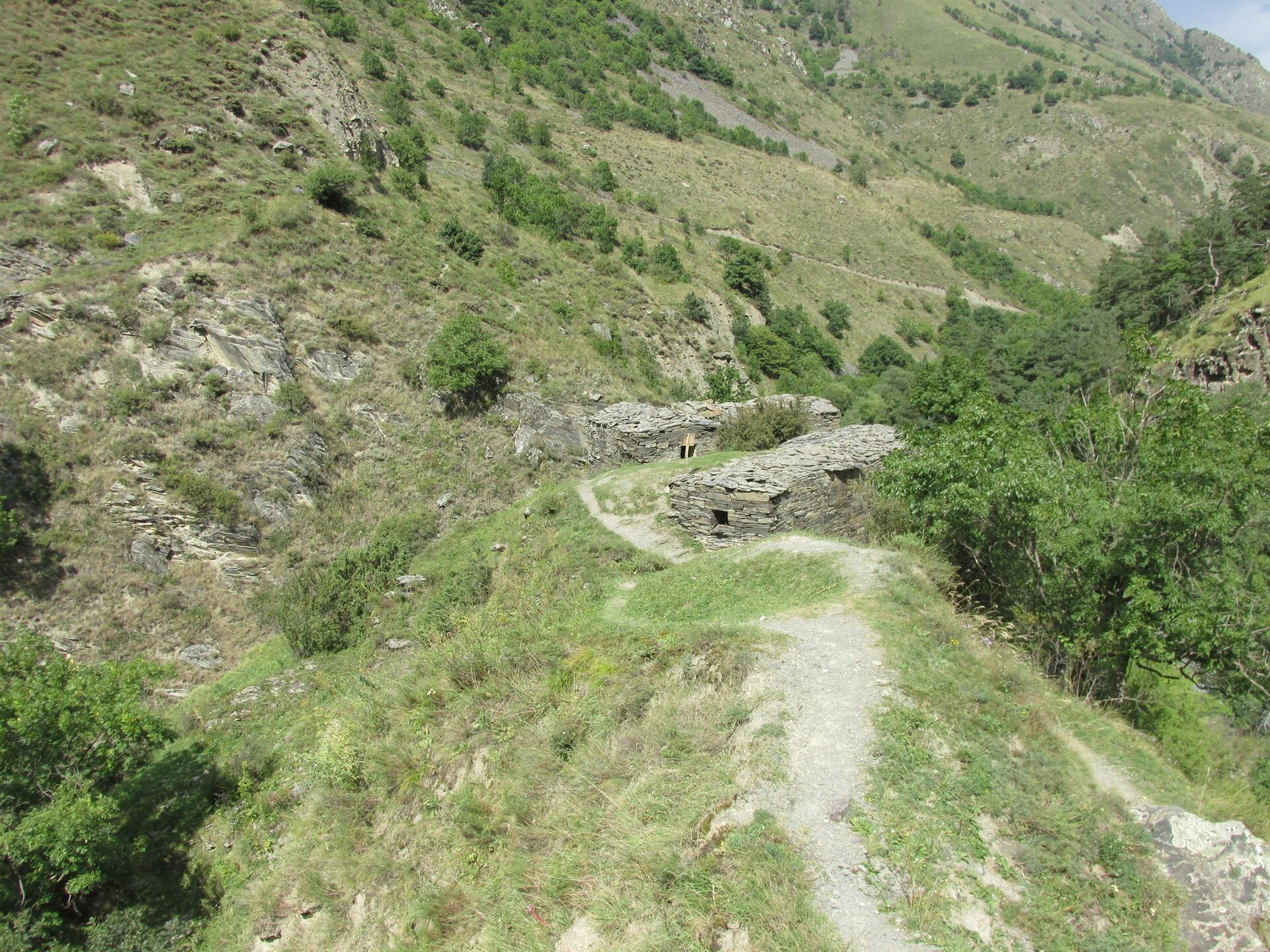
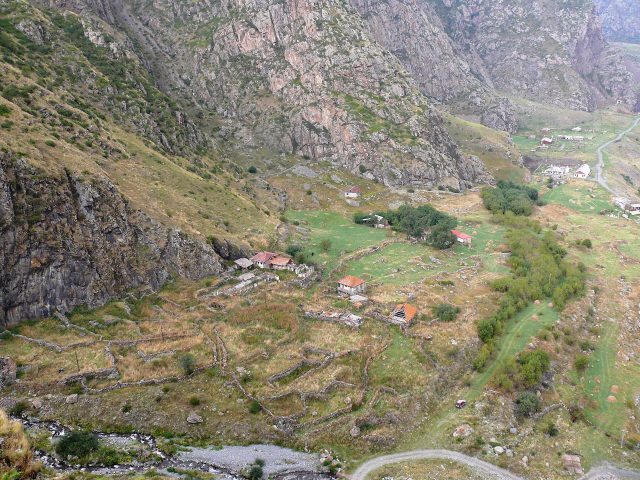
The ruins of Anatori Fortress cling to a steep mountainside above the village of Stepantsminda. Its rough stone walls, worn by time, still hold traces of those who once lived and fought here. Few visitors come—this place is for those who prefer silence and history without explanations.
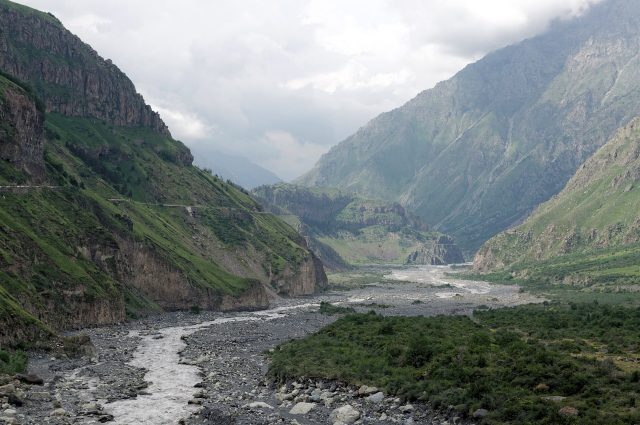
Reaching Anatori requires effort. The path climbs through rocky terrain, past boulders and, in season, fields of rhododendrons. The air thins as you ascend, revealing jagged peaks, deep gorges, and the vast sky. From here, the Terek River valley and the Greater Caucasus ridges stretch into the distance. The fortress was built here because the location controlled access to mountain passes linking Georgia with the North Caucasus.
No one knows exactly when Anatori was built. Historians estimate it dates to between the 10th and 13th centuries, when Georgian kings and local lords ruled the region. The fortress served as both a defensive stronghold and a lookout, allowing defenders to spot approaching enemies early. Trade routes once crossed these mountains, and control over them was essential.
The fortress was constructed using dry-stone masonry—stones fitted together so tightly that not even a knife could slip between them. Inside the crumbling walls, you can still see the outlines of towers, living quarters, and what may have been a chapel. Once, soldiers, priests, and servants lived here together. Now, only foundations remain, but they hint at the fortress’s original form.
Anatori’s location made it nearly impregnable. Sheer cliffs protect it on three sides, while the fourth offers a steep, easily defended approach. This design was common in the Caucasus, where natural terrain reinforced defenses. Yet even the strongest fortresses succumb to time and neglect.
After the Middle Ages, Anatori’s story fades. As invasions became less frequent and trade routes shifted, the fortress likely fell into disuse. Locals may have taken its stones for their own buildings. Wind and rain did the rest. Today, walls still stand in places, half-buried in earth and grass. There are no signs, no markers—just the mountains and silence.
Visiting Anatori isn’t about ticking off a landmark. It’s about standing where sentries once stood, scanning the horizon for enemies or caravans. Time feels different here. The wind carries stories, and the stones hold secrets.
Anatori isn’t an open-air museum. It’s a fragile monument that could disappear if not treated carefully. The stones have been here for centuries, and they belong here—on this ridge, where history lingers.
As you descend toward Stepantsminda, you wonder how many other forgotten fortresses hide in the Caucasus. Anatori was once a symbol of power. Now, it’s part of the land, silent and unchanging.