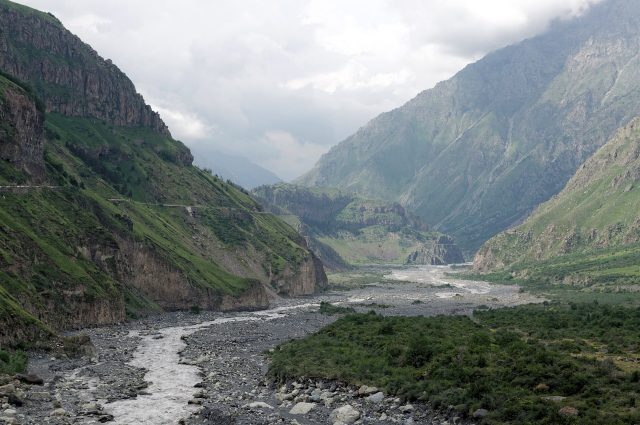
Gveleti is one of those rare places that feels untouched by time, a quiet mountain settlement perched at nearly two thousand meters above sea level in the Kazbegi region. The road here winds through narrow gorges where the Terek River carves its way between steep slopes, revealing a landscape of jagged cliffs, sparse shrubs clinging to rocky outcrops, and snow-capped peaks that refuse to melt even in summer. Unlike the more tourist-heavy Stepantsminda, Gveleti remains largely undiscovered, drawing those who seek solitude and a deeper connection to the raw beauty of the Caucasus.
The history of this place is woven into the ancient trade routes that once crossed these mountains. Gveleti sat along a branch of the Georgian Military Highway, a vital artery linking the North Caucasus with the South. For centuries, merchants, pilgrims, and soldiers passed through here on their way to Tbilisi, leaving behind little more than crumbling stone bridges, half-forgotten dwellings, and the occasional inscription etched into the rocks. The past lingers in the stillness, as if the wind itself carries whispers of those who traveled these paths long ago.
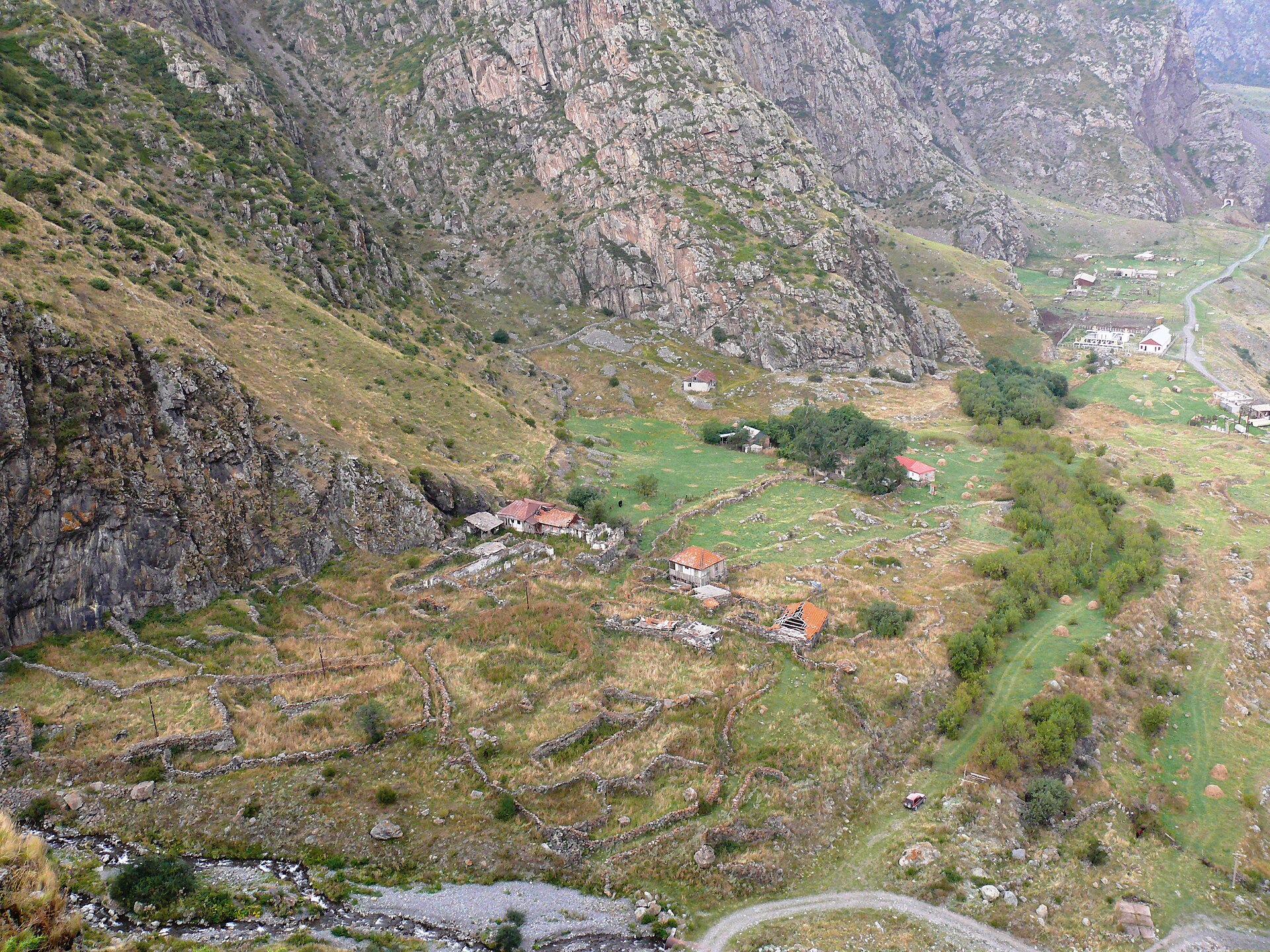
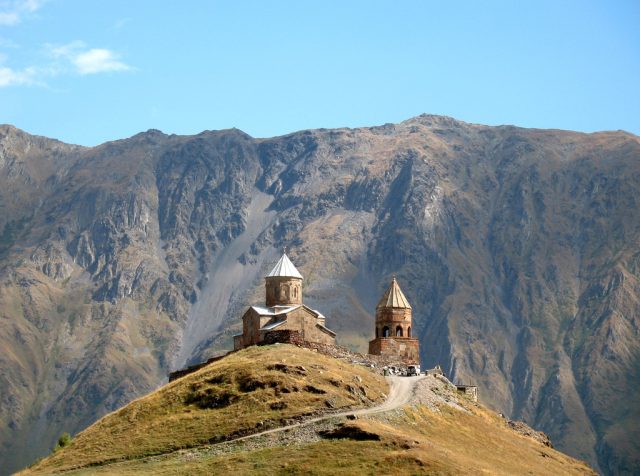
The architecture here is as practical as it is unassuming. Houses are built from local stone, their flat roofs designed to withstand heavy snowfall. Many appear frozen in time, their weathered facades hiding lives that continue much as they have for generations. There are no grand churches, only a small chapel on the edge of the village where locals come to pray. Instead, the landscape is dotted with signs of traditional life—wooden livestock pens, stone walls enclosing modest gardens, and narrow paths leading to highland pastures. It’s a place where modernity has barely left its mark, and that authenticity is part of its quiet charm.
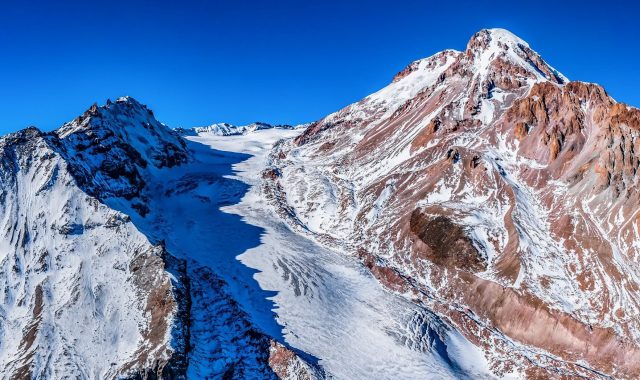
What truly sets Gveleti apart is its surroundings. From here, the view of Mount Kazbek is nothing short of breathtaking, especially at dawn when the first light paints the glaciers in soft pinks and golds. In summer, the valley bursts with wildflowers, while autumn turns the slopes into a blaze of red and ochre. Winter transforms the village into a snowbound outpost, isolated and serene. For hikers, there are trails of varying difficulty—whether it’s a challenging ascent to the Gergeti Glacier, a walk along the old military road, or a leisurely stroll through the rolling hills. The air is crisp, the silence profound, and the sense of space vast.
Life in Gveleti moves at the pace of the seasons. In summer, villagers take their livestock to high pastures, tend to small gardens, and prepare for the long winter ahead. When the snow comes, many descend to lower settlements, leaving only a few behind to watch over the homes. Those who stay keep busy with traditional crafts—weaving baskets, knitting wool socks, or making rugs in the old way. A handful of guesthouses offer simple lodging, where hosts welcome visitors with hearty meals of khachapuri, khinkali, grilled meat, and fresh cheese. There’s no pretense here, just the warmth of genuine hospitality.
This isn’t a place for those seeking entertainment or convenience. There are no museums, no restaurants with multilingual menus, no souvenir shops. What Gveleti offers instead is something far more enduring—a chance to step outside of time and into a world where nature dictates the rhythm of life. You can sit by the river, listening to the rush of water and the calls of birds echoing off the cliffs, or climb a nearby hill and gaze at Kazbek, trying to understand why this mountain has captivated travelers for centuries. The hours pass differently here, and even a short visit can leave a lasting impression.
If you decide to come, be prepared for the journey. Public transport doesn’t reach Gveleti, so you’ll need to arrange a ride or rent a car. The road is winding and slow, with each turn revealing another layer of the dramatic landscape. Weather in the mountains is unpredictable—even in summer, rain or sudden cold snaps aren’t uncommon, so packing warm layers is wise. And while the village offers little in the way of modern comforts, that’s precisely what makes it special. There’s no gloss, no artificiality, just the quiet, unfiltered beauty of a place that has remained largely unchanged for generations.
For those who make the trip, Gveleti rewards with something rare: a sense of stillness, a connection to the land, and the feeling of having glimpsed a way of life that exists outside the rush of the modern world. It’s not a destination for everyone, but for those who appreciate its quiet magic, it’s a place that lingers in the memory long after the journey home.