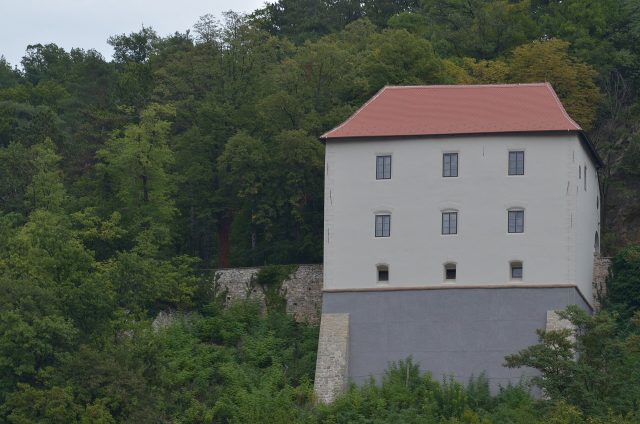
Krapina’s theatre doesn’t demand attention but lingers in memory. Tucked in the center of this Croatian town, it belongs to the streets, where time moves slowly and the past feels close. The building is modest, yet it holds meaning for those who live here—art isn’t just performed but shared.
The theatre was built in the early 1900s, when Krapina grew under the Austro-Hungarian Empire. Its architecture still shows Vienna’s influence: symmetrical windows, decorative cornices, and stucco work. Inside, high ceilings and a spacious auditorium recall a time when the hall drew visitors from nearby towns for music, literature, and performances.
Krapina once served as a cultural hub for the Zagorje region. The theatre hosted literary evenings, concerts, and early plays. Intellectuals gathered here, ideas spread, and traditions took shape. After World War II, renovations left its core unchanged—a place where art and daily life mixed.
Today, the theatre still operates, though its focus has shifted. Classical plays and operettas gave way to contemporary drama and children’s shows. Local artists perform here, and touring acts occasionally visit. The small auditorium creates intimacy, making each performance feel personal.
The Krapina Festival, held since the mid-20th century, remains a key tradition. One of Croatia’s oldest cultural events, it celebrates music, theatre, and folk traditions. Folk ensembles, art exhibitions, and young musician competitions have all featured here. The festival brings visitors from across the country, showcasing the region’s creative spirit.
Krapina doesn’t cater to tourists. No souvenir shops or tour groups dominate the streets. The theatre fits into the town’s rhythm—locals come for shows, gatherings, lectures, and workshops. Its history is part of everyday life.
If you visit Krapina, the theatre is worth seeing. Walk the quiet streets nearby. Stop at a café where actors once met after premieres. Listen for rehearsals from an open window. You might meet someone who remembers the theatre’s past, who can tell you how it endured without losing its place in the community.
This theatre doesn’t exist for spectacle. It’s where time slows, where art feels like part of life. No pretence, just authenticity. That’s why it stays with you—not because it’s grand, but because it’s real.