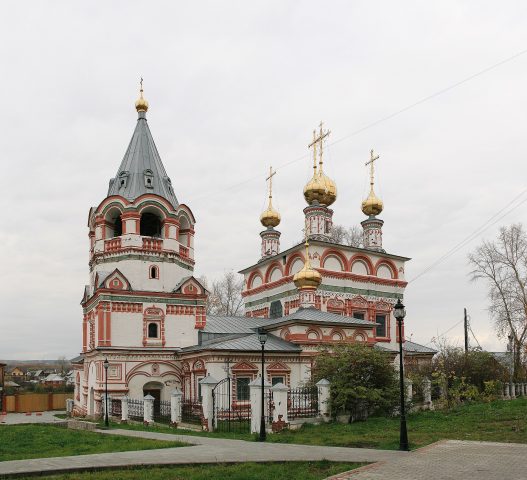
Solikamsk is a town where history lingers in quiet corners. The past isn’t just remembered—it still feels present. In the northern Urals, it doesn’t attract crowds like Moscow or St. Petersburg. The town’s story is written in its streets, old salt mines, and centuries-old buildings. To understand that story, visit the local history museum named after A.V. Chernykh, a researcher who uncovered layers of Solikamsk’s past.
The museum occupies a former merchant’s mansion on Perekopskaya Street. Built in the late 18th century, it was once the home of the Turchaninov family, one of the wealthiest merchant dynasties here. At the time, Solikamsk was the heart of Russia’s salt industry, and local merchants held power comparable to those in the capital. The house reflects that era: sturdy, with high ceilings and large windows that once lit the rooms where deals were struck. In the 20th century, it became a museum. Today, its preserved interiors show how people lived and worked here centuries ago.
The exhibits start with the region’s earliest history. Before Russian settlers arrived, the land belonged to the Permian peoples. Their tools, pottery, and bronze ornaments are on display. Stone axes, clay vessels, and simple jewelry hint at a life adapted to the harsh northern climate. The museum also features medieval archaeological finds—objects that reveal how local tribes lived, traded, and interacted with neighboring cultures.
Salt defines much of Solikamsk’s history. The museum dedicates space to the industry that shaped the town. Visitors see tools used by salt workers, models of old boiling houses, and samples of salt from different eras. Exhibits explain 17th-century production methods, the dangers workers faced, and why salt was vital to the Russian state. Documents from merchants like the Stroganovs show how they built fortunes and laid the economic foundations of the Urals.
The 18th and 19th centuries brought growth. Solikamsk expanded, with stone churches, schools, and trading houses rising. The museum displays household items, old photographs, and archival documents from this period. You can see how the town’s architecture changed—from wooden huts to merchant mansions—and how education took root. Solikamsk was home to one of the first schools for townspeople in the Urals.
The Soviet era changed the town. Factories and infrastructure grew, but some traditions faded. Exhibits include photographs of factories, workers’ belongings, and urban development records. A section on World War II is particularly moving. Letters from the front, photographs of local heroes, and everyday objects from the war years show the sacrifices made.
The museum connects past and present. Temporary exhibitions cover archaeology and contemporary art. Lectures and talks by historians are common. For children, interactive programs let them try old crafts, write with a quill pen, or play traditional games. These activities make history tangible.
The museum’s quiet halls invite reflection. Light filters through the windows, floors creak underfoot, and exhibits are carefully arranged. You might almost hear merchants negotiating in the grand rooms or the clatter of tools in the salt mines.
Solikamsk isn’t a typical tourist destination. There are no crowds, no staged reenactments—just a quiet sense of history in its buildings and stories. The A.V. Chernykh Local History Museum is a bridge between then and now, showing what makes Solikamsk more than a dot on the map. Here, the past isn’t just remembered. It’s alive.