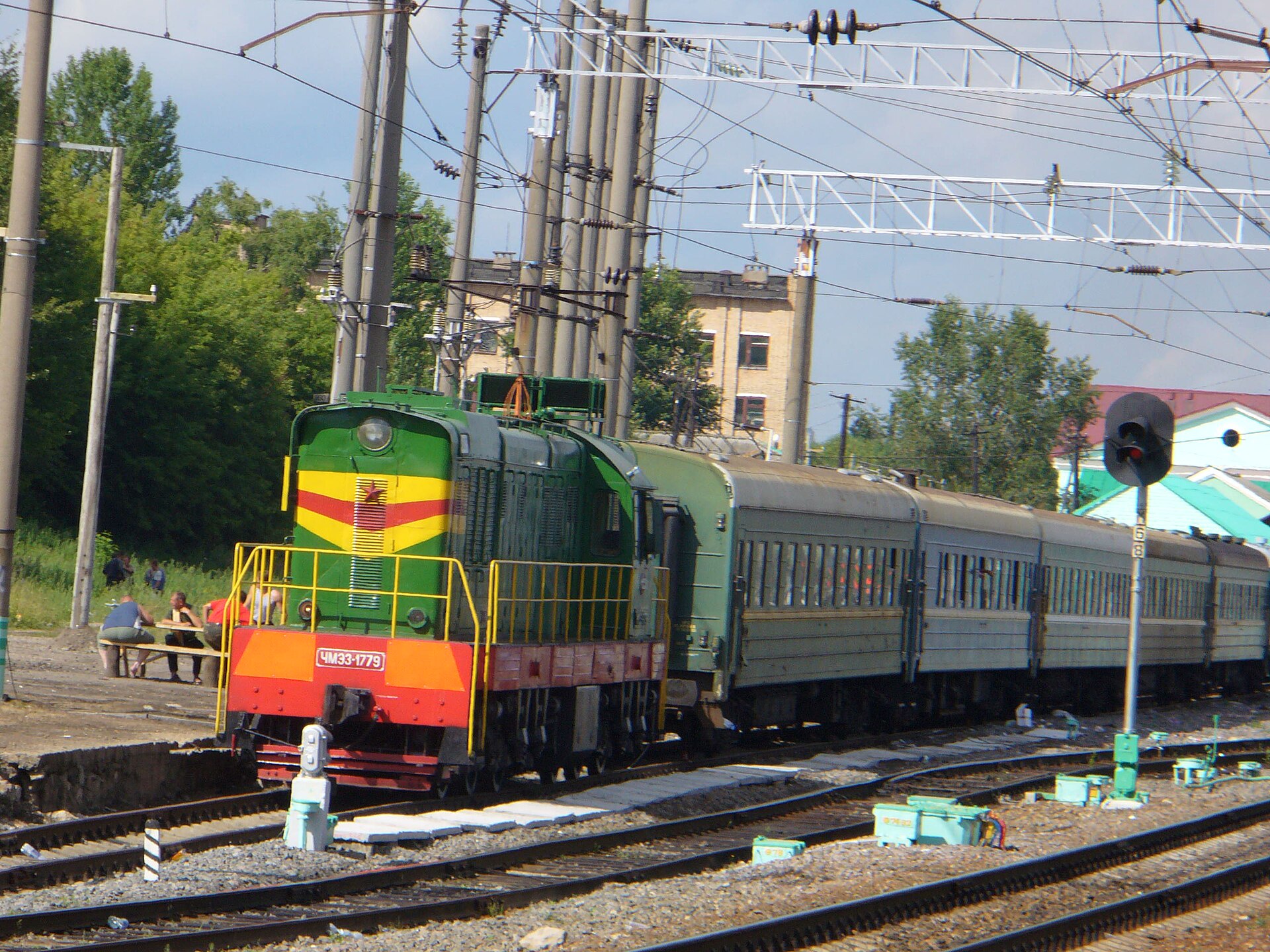
The Kolomna Railway Museum is one of those rare places where mechanical history isn’t just preserved behind glass—it breathes, steams, and hums with life. Housed within the grounds of the former Kolomna Locomotive Works, the museum stands as a testament to an era when trains weren’t merely symbols of progress but the very heartbeat of industrial Russia. Founded in the mid-19th century, the factory became a cradle for some of the country’s most legendary locomotives, and today, its legacy lives on not just in the machines themselves but in the tangible sense of an age when railways were stitching the nation together.
Though the museum itself is relatively young, its collection has been decades in the making. The exhibits span generations of locomotives, from the earliest cumbersome steam engines to the more refined models that once hauled freight and passengers across vast distances. Many of the trains on display were built right here in Kolomna, making them more than just artifacts—they’re pieces of the factory’s own story. Some remain in working order, and on occasion, the museum fires them up for demonstrations, filling the air with the scent of coal smoke and the deep, resonant whistle of a bygone era.
The architecture of the museum complex is as much a part of the experience as the locomotives themselves. The old factory buildings, repurposed to house the exhibits, retain their industrial character—tall brick walls, heavy steel frameworks, and cavernous workshops that feel less like a museum and more like a living workshop. There are no glass cases here; instead, visitors can walk right up to the trains, run their hands along the metal, and peer into the engineer’s cab. The space doesn’t just display history—it immerses you in it.
For those fascinated by railway history, the museum offers a rare opportunity to trace the evolution of locomotive engineering. The collection includes not only steam engines but also diesel and electric models, along with vintage carriages and specialized railway equipment. Each exhibit comes with a brief description, but the real value lies in seeing firsthand how design and technology advanced over the decades. Standing next to Russia’s first domestically built locomotive, then comparing it to later models, you can almost hear the clatter of progress in the wheels beneath you.
The museum goes beyond static displays, occasionally hosting themed tours that delve into the human stories behind the machines. Sometimes, retired railway workers visit to share their experiences, turning cold steel into something far more personal. Workshops for children and adults let visitors try their hand at operating a locomotive or learn the mechanics of a steam engine, bridging the gap between past and present. It’s one thing to read about how these trains worked—it’s another to feel the weight of history in the controls.
Kolomna’s deep connection to railways makes this museum a fitting tribute. The city has long been a railway hub, linking Moscow to other regions, and the Kolomna Locomotive Works was once one of the industry’s largest enterprises. Its trains rolled out across the country, shaping not just the city’s economy but the nation’s infrastructure. Today, the museum preserves that legacy, offering a glimpse into how technology transformed both a place and an entire way of life.
A visit here isn’t just a walk among old trains—it’s a step back into a time when railways were revolutionizing travel and industry. You could easily spend hours wandering the grounds, examining the details of each locomotive or simply sitting on a bench, listening to the distant hiss of steam. The museum doesn’t try to entertain; it presents history as it was, letting visitors draw their own connections to the past.
If you find yourself in Kolomna, the railway museum is worth a detour. This isn’t a place for rushing—it rewards those who take their time, lingering over the intricacies of each machine and imagining the journeys they once made. In the end, it’s more than a collection of trains; it’s a reminder of an era when railways were reshaping the world, one track at a time.