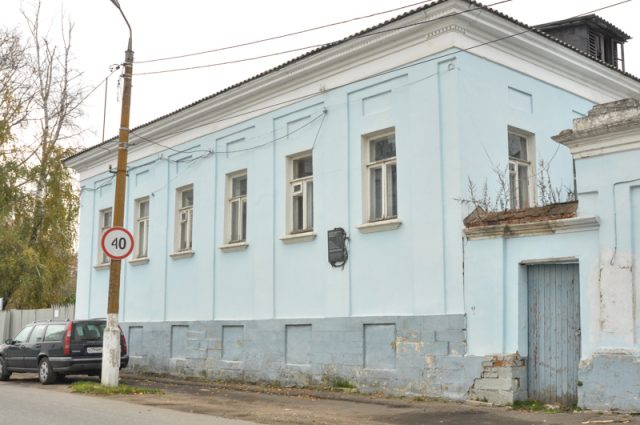
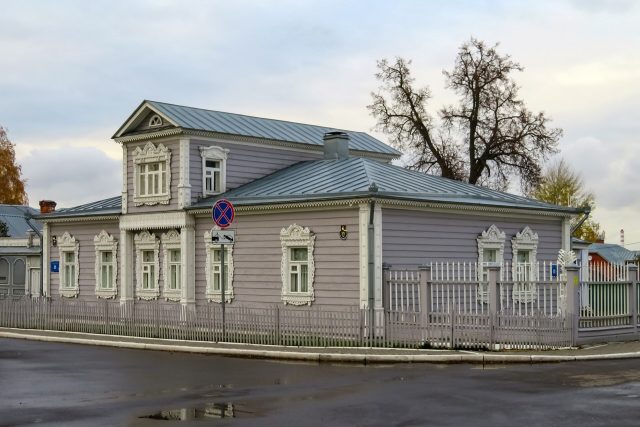
Kolomna’s Local History Museum is the kind of place where the past doesn’t just sit behind glass—it breathes. Housed in a building that has stood since the late 18th century, the museum occupies a former merchant’s home, one of those quiet witnesses to the city’s long and layered story. Kolomna has always been a crossroads, a place where rivers and trade routes met, where fairs buzzed with activity and goods from across Russia passed through. The museum carries on that tradition, not by lecturing visitors about history, but by letting them step into it, to feel the rhythm of life as it once was.
The exhibits span centuries, from the earliest Slavic settlements to the 20th century. You’ll find everyday objects—tools, household items, coins, documents—that paint a vivid picture of how people lived in different eras. Archaeological finds take center stage in some displays, including fragments of intricately decorated pottery that speak to the skill of ancient craftsmen. Military history also has its place here. Kolomna has seen its share of conflict, from the Time of Troubles to the Napoleonic Wars and World War II. Personal belongings of soldiers, letters from the front, and wartime photographs make the past feel immediate, as if the stories of those who lived through these events are still unfolding.
One of the most compelling sections is dedicated to the city’s merchant class, who grew wealthy trading grain, salt, and other goods. The museum recreates the interiors of their homes with original furniture, tableware, and clothing, offering a glimpse into a world of wealth and tradition. A reconstructed sitting room, complete with a heavy oak table, carved chairs, and an antique clock still ticking away, feels almost lived-in. Nearby, tools of traditional crafts—spinning wheels, looms, jeweler’s instruments—show how the city’s prosperity was built, one handmade object at a time.
What sets this museum apart is its focus on engagement. Visitors aren’t just observers; they’re invited to participate. Workshops let you try your hand at pottery or weaving, learning techniques that have been passed down for generations. Children’s programs turn history into an adventure, while temporary exhibitions explore everything from local crafts to the lives of notable residents. The museum isn’t a static collection of artifacts—it’s a place that grows and adapts, drawing connections between past and present.
The building itself is a piece of history. Designed in the neoclassical style popular in the late 1700s, its facade features pilasters and tall windows that flood the interior with light. Inside, the original layout remains intact: enfilades of rooms, molded ceilings, and doors with intricate handles all transport you to another era. Walking through these spaces, it’s easy to imagine the conversations that once filled them, the decisions made within these walls, the generations of lives that have left their mark here.
But the museum isn’t just for history buffs. It’s a place to slow down, to step away from the noise of modern life and see the city through a different lens. Kolomna is one of the oldest towns in the Moscow region, and its story is woven into Russia’s broader history. The ancient kremlin, the old churches, the narrow streets lined with wooden houses—all of it carries the weight of time. The museum helps make sense of these layers, showing how they come together to create a city that is both rooted in the past and very much alive today.
A visit here is a good starting point for exploring Kolomna. After wandering the exhibits, you’ll want to step outside and see the city for yourself—maybe stop by another museum, or try a local café where they still bake traditional *kalachi*, the town’s famous bread. Kolomna is small, but it has a distinct character, shaped by the sound of the river, the scent of fresh bread in the air, and the quiet courtyards where time seems to move a little slower. The museum doesn’t just tell the city’s story; it gives you the tools to see it for yourself, to recognize the history hidden in plain sight.