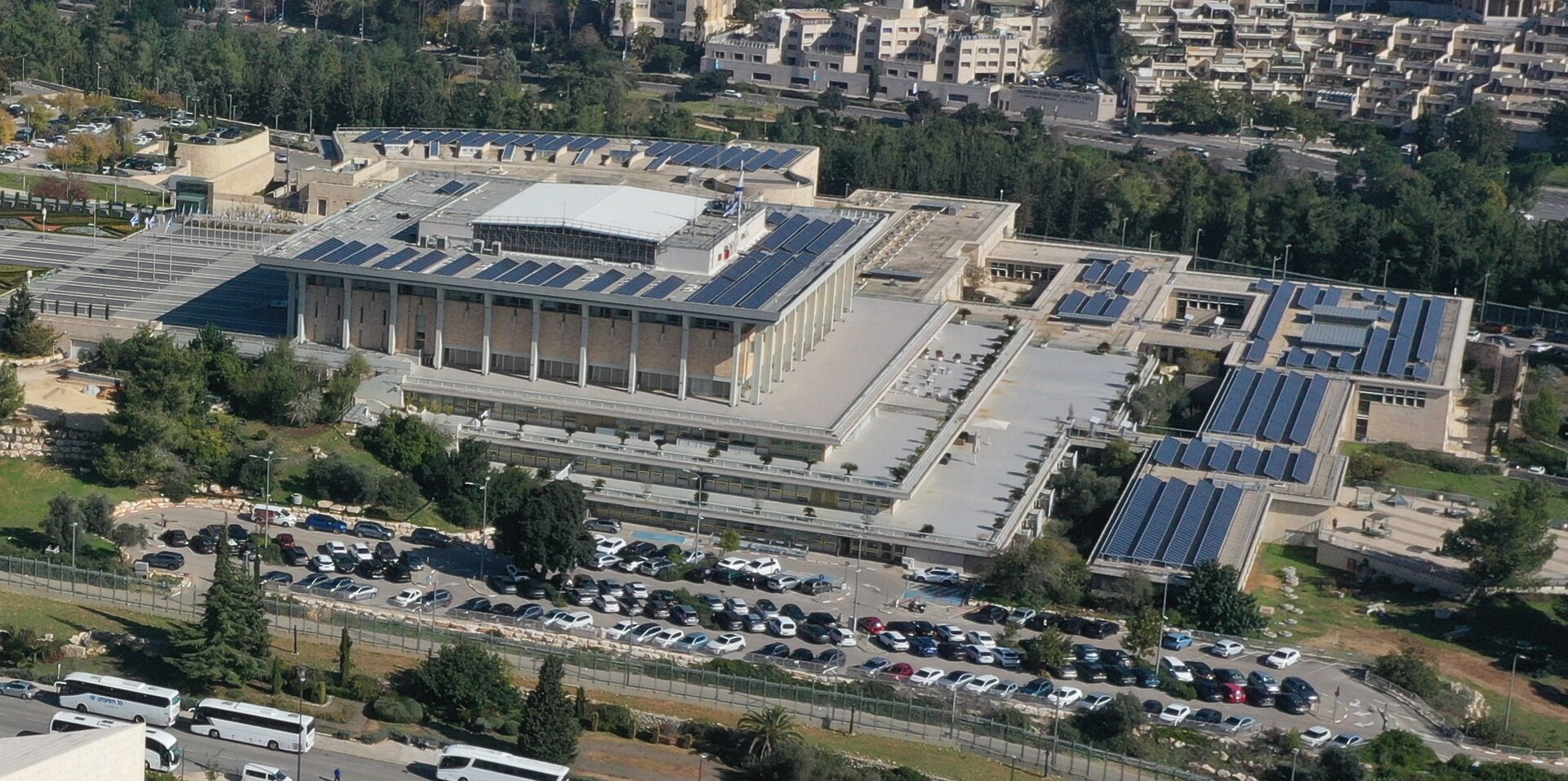
The Knesset is more than just the physical home of Israel’s parliament. It is where the country’s future is debated, where laws shaping the lives of millions are passed, and where the ideals of a young nation are put into practice. Located in West Jerusalem, the building stands as a symbol of Israeli statehood and democracy, its name derived from the ancient Hebrew word for assembly—a fitting title for a place where representatives from across the political spectrum gather to shape the nation’s path.
The current Knesset building was constructed in the 1950s, a time when Israel was still defining itself as a modern state. Its architecture reflects this duality, blending contemporary design with subtle nods to Jewish tradition. The facade is adorned with mosaics and reliefs that echo centuries of history, while the interior is purposefully austere, designed to serve the practical needs of governance. The main chamber, where debates unfold, is arranged to ensure every voice can be heard, with galleries allowing visitors to observe the democratic process in action.
The story of the Knesset is inseparable from the story of Israel itself. Early sessions were held in temporary locations, but as the country grew, so did the need for a permanent parliamentary home. The construction of the current building marked a turning point, embedding the institution into Jerusalem’s landscape. Over the decades, the Knesset has been the stage for pivotal moments—from the declaration of independence to the signing of peace agreements. Its walls have witnessed heated arguments, hard-won compromises, and the quiet determination of a nation forging its identity.
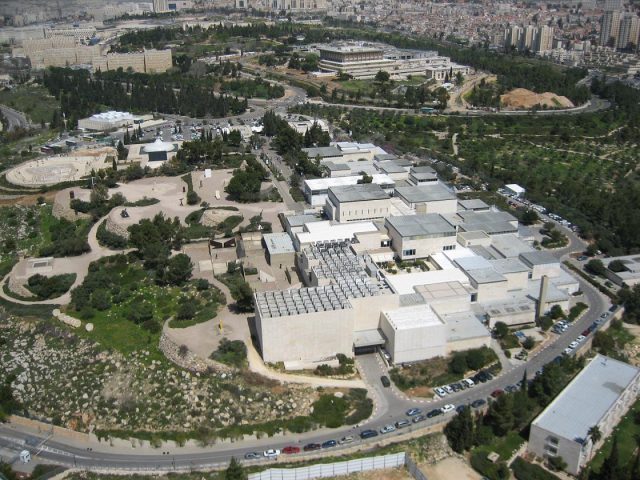
Surrounding the Knesset is a spacious park, a quiet contrast to the intensity of political life within. Visitors often stroll through the grounds, and guided tours offer a glimpse into how Israeli democracy functions. While entry is free, it’s worth checking ahead, as access can be limited during sessions or holidays. Inside, the building reveals more than just the main chamber—there are libraries, exhibition spaces, and displays that trace the evolution of the parliament, offering context to the decisions made within its walls.
The architecture of the Knesset is a study in balance. Designed to complement Jerusalem’s landscape, the building’s clean lines convey both simplicity and solemnity. The mosaics on the exterior depict scenes from Jewish history, while the interior blends modernist elements with traditional motifs. One of the most striking features is the menorah, the seven-branched candelabrum that stands outside the entrance—a powerful symbol of Jewish heritage and a recognizable emblem of the Knesset itself.
A visit to the Knesset is more than a tour of a government building; it’s an opportunity to engage with the living history of Israel. Here, the past and present intersect in the debates that shape the nation’s future. Guides explain the inner workings of the parliament, its role in policymaking, and how it has evolved over time. For many Israelis, the Knesset is where the issues that matter most—security, identity, social justice—are discussed and decided. It’s a place where the weight of responsibility is palpable, even if the building itself is modest in scale.
Jerusalem is a city where layers of history coexist, and the Knesset fits neatly into that narrative. It stands as a reminder that democracy is not just a system but an ongoing process, one that requires participation and vigilance. For Israelis, the Knesset is where the future of their children is debated, where rights are defended, and where the collective voice of the people is heard. Though unassuming in appearance, its significance to the country is profound.
If you find yourself in Jerusalem, setting aside time to visit the Knesset is worthwhile. It’s not a grand palace or a lavish monument, but something more meaningful—a place where the mechanics of democracy are on display, where the voices shaping a nation can be heard, and where visitors can sense the pulse of a country still in the making. The Knesset doesn’t just house history; it continues to write it.