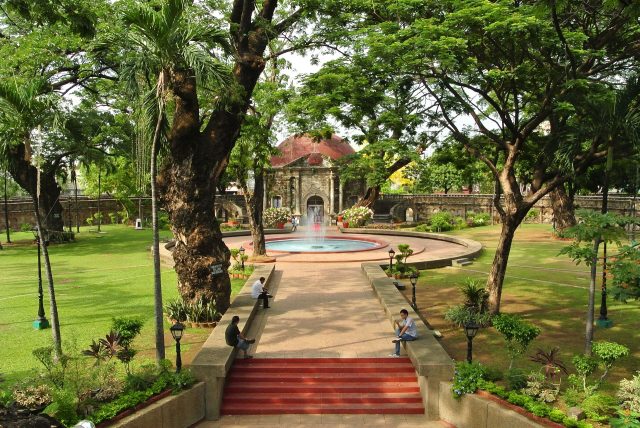
Paco Cemetery doesn’t look like the graveyards you’ve seen in photos. No polished marble, no symmetrical paths. Graves press close together, separated by narrow dirt trails winding between crumbling mausoleums and overgrown plots. Some tombs have ornate ironwork; others sag under time, their inscriptions faded. The place feels raw—less a curated memorial, more a living part of the city.
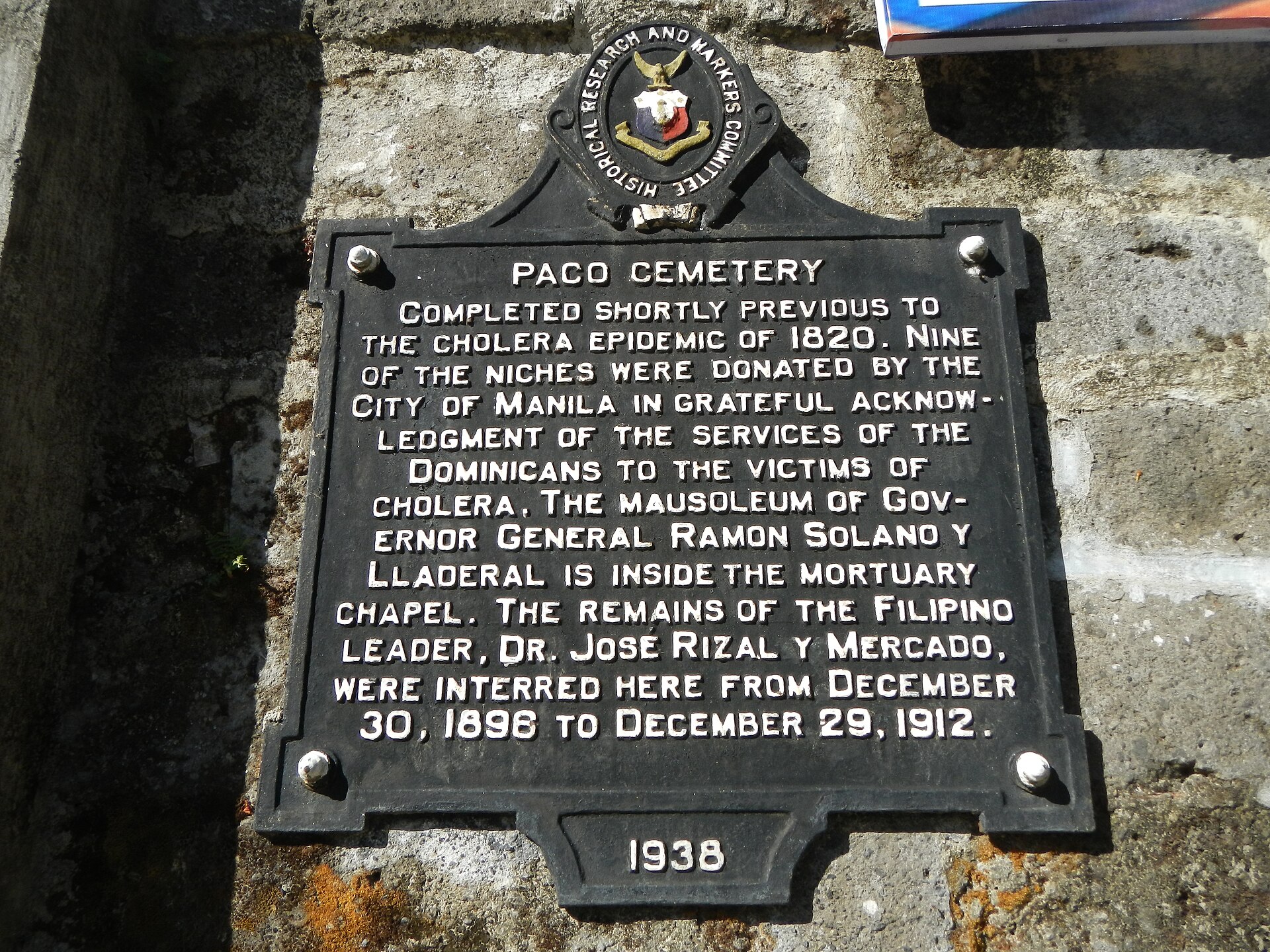
The cemetery began in the mid-19th century when Spanish authorities moved burials outside Manila’s walled city. Intramuros had run out of space. Paco, then a quiet district, was close enough for visits but far enough to avoid congestion. Over time, it expanded, swallowing neighboring land until it became the maze it is today.
Walk through Paco, and you’ll see how architecture reflects history. Spanish-era mausoleums stand beside modest concrete slabs, often topped with framed photographs. Some tombs mimic miniature palaces; others look like tiny houses, their doors sealed. The effect is disorienting—a city within a city, each structure holding silent stories.
World War II left its marks here. Paco became a battleground, its layout offering cover to Japanese forces. Later, it buried soldiers and civilians. Bullet holes pockmark mausoleum walls. The ground dips where shells landed. The damage remains, absorbed into the cemetery’s fabric.
Paco blurs the line between the living and the dead. People sit in the shade of mausoleums, share meals, or even make temporary homes. Abandoned tombs become shelters, furnished with beds and laundry lines. For many Filipinos, this isn’t unsettling—it’s part of life. The cemetery isn’t just for remembrance; it’s where daily routines unfold alongside grief.
During All Saints’ Day and All Souls’ Day, Paco transforms. Families gather by the thousands, cleaning graves, arranging flowers, lighting candles. The air fills with prayers and the scent of food. For a few days, it feels less like mourning and more like a communal gathering.
Even on ordinary days, there’s a sense of continuity. Death isn’t an end here—it’s a transition. The living still reach across that divide.
Paco isn’t for everyone. No paved paths, no plaques, no tourist concessions. If you want a serene resting place, this isn’t it. But if you see a cemetery as more than a final stop—as a place where history breathes—then Paco offers something rare.
It’s a reminder that memory isn’t just preserved in stone. It’s lived in the spaces between graves.
The stories here are countless. Politicians, poets, laborers, children—each tomb holds a life. Some names are remembered; others are lost. But the cemetery endures, an accidental archive of human experience. Walk its paths, and you’ll feel the presence of those who came before. Their voices rustle in the wind.
It doesn’t demand reverence. It invites reflection—on what it means to leave a mark, however small.