The Kimberley Club is one of those rare places where history isn’t just remembered—it lingers in the air, in the grain of the wood, in the quiet creak of a floorboard underfoot. Built in the late 1800s, when Kimberley was the epicenter of South Africa’s diamond rush, the club became a sanctuary for the men who shaped the region’s fortunes. The scent of aged leather and polished oak, the murmur of old conversations still echoing in the high-ceilinged rooms, the weight of decisions made over whiskey and cigars—it all feels alive, as if the past hasn’t quite let go.
Kimberley in the 1880s was a place of raw ambition, a frontier town where prospectors, speculators, and opportunists flocked in search of wealth. The streets teemed with fortune-seekers, and the city had the rough-and-tumble energy of a gold rush town. Amid this chaos, the Kimberley Club emerged as an oasis of refinement. It wasn’t just a social hub; it was where the new elite—men who had risen from obscurity to control vast diamond fortunes—gathered to solidify their status. Among its earliest members were Cecil Rhodes, the founder of De Beers, and Barney Barnato, another titan of the diamond trade. Their rivalry and alliances played out within these walls, shaping not just the industry but the future of southern Africa.
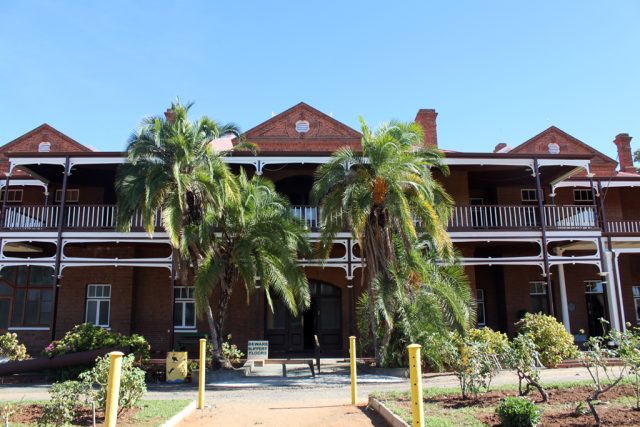
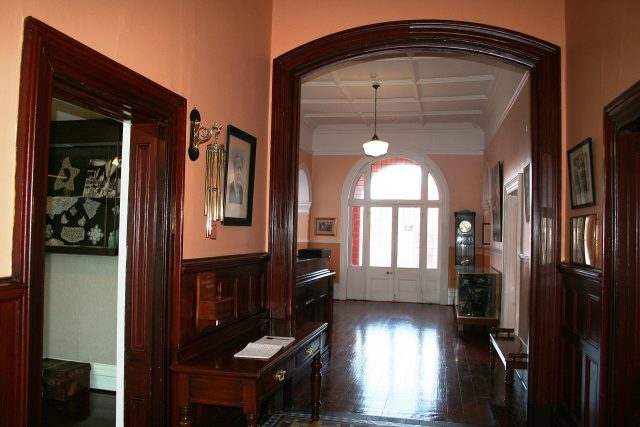
The building itself is a study in understated grandeur, blending Victorian elegance with the practicalities of life in a colonial outpost. The exterior, made from local stone, gives way to interiors of dark wood paneling, tall windows, and soaring ceilings. A sweeping staircase leads to the upper floors, where meeting rooms and private chambers still hold the furniture and artifacts of another era. The most imposing of these spaces is the boardroom, dominated by a massive table where deals were struck and destinies decided. The library, lined with books on geology, exploration, and regional history, feels like a time capsule, its volumes untouched since they were first placed on the shelves.
The club’s role in history extended far beyond social gatherings. During the Anglo-Boer War, it served as a makeshift headquarters for British officers, who used its rooms to plan military strategies and later to negotiate the terms of surrender with Boer leaders. In quieter times, it hosted weddings, celebrations, and charity events, remaining a cornerstone of Kimberley’s social life long after the diamond rush had faded. Even as the city’s fortunes waned, the club endured, a quiet witness to the ebb and flow of power and influence.
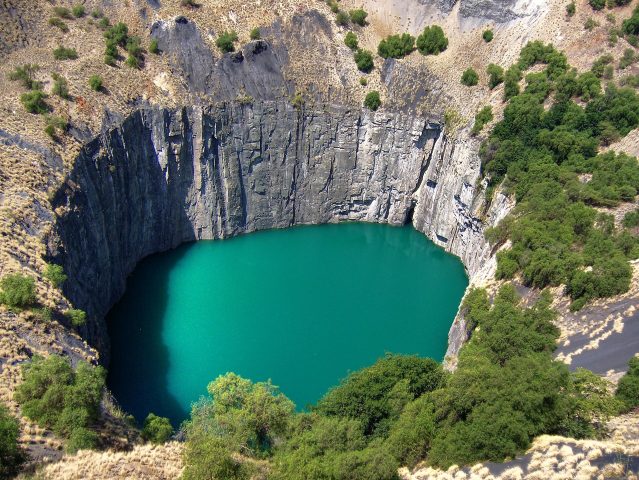
Today, the Kimberley Club is open to visitors, though it hasn’t been turned into a museum in the traditional sense. There are no glass cases or roped-off exhibits, just the original interiors, furniture, and objects that have been part of the building for generations. You can wander through the rooms, sit in the bar where classic cocktails are still served, or warm yourself by the fireplace in the lounge. Guided tours offer insights into the club’s past, from the diamond barons who once ruled here to the pivotal moments that unfolded within its walls. For those who have visited the Big Hole, Kimberley’s most famous landmark, the club provides a different perspective—one that focuses not on the physical extraction of wealth but on the people who wielded it.
Kimberley itself has long since ceased to be the center of the diamond trade, but the city retains a distinct character, a sense of its own history that’s hard to find elsewhere. The club is one of the few places where that history feels tangible. There’s no tourist hustle here, no crowds jostling for photos or vendors hawking souvenirs. Instead, there’s a quiet rhythm, a sense of time moving at its own pace. The building isn’t frozen in the past; it’s still a living space, hosting dinners, meetings, and events, much as it always has.
What makes the Kimberley Club special is its authenticity. It hasn’t been sanitized or repackaged for visitors. The wear on the banisters, the slight unevenness of the floorboards, the faint scent of old paper in the library—these details aren’t staged. They’re the marks of a place that has been used, loved, and lived in for over a century. Even without knowing the specifics of its history, you can feel the weight of the past here, the way the building seems to hold its breath when the last visitor leaves for the day.
For anyone with an interest in South African history, the club is a must-visit. It offers a glimpse into the forces and personalities that shaped the country, from the diamond rush to the conflicts that defined its early years. But it’s also simply a beautiful place to spend an afternoon, a retreat from the noise of modern life. In that sense, the Kimberley Club is exactly what it has always been—a place where history is made, remembered, and quietly preserved.