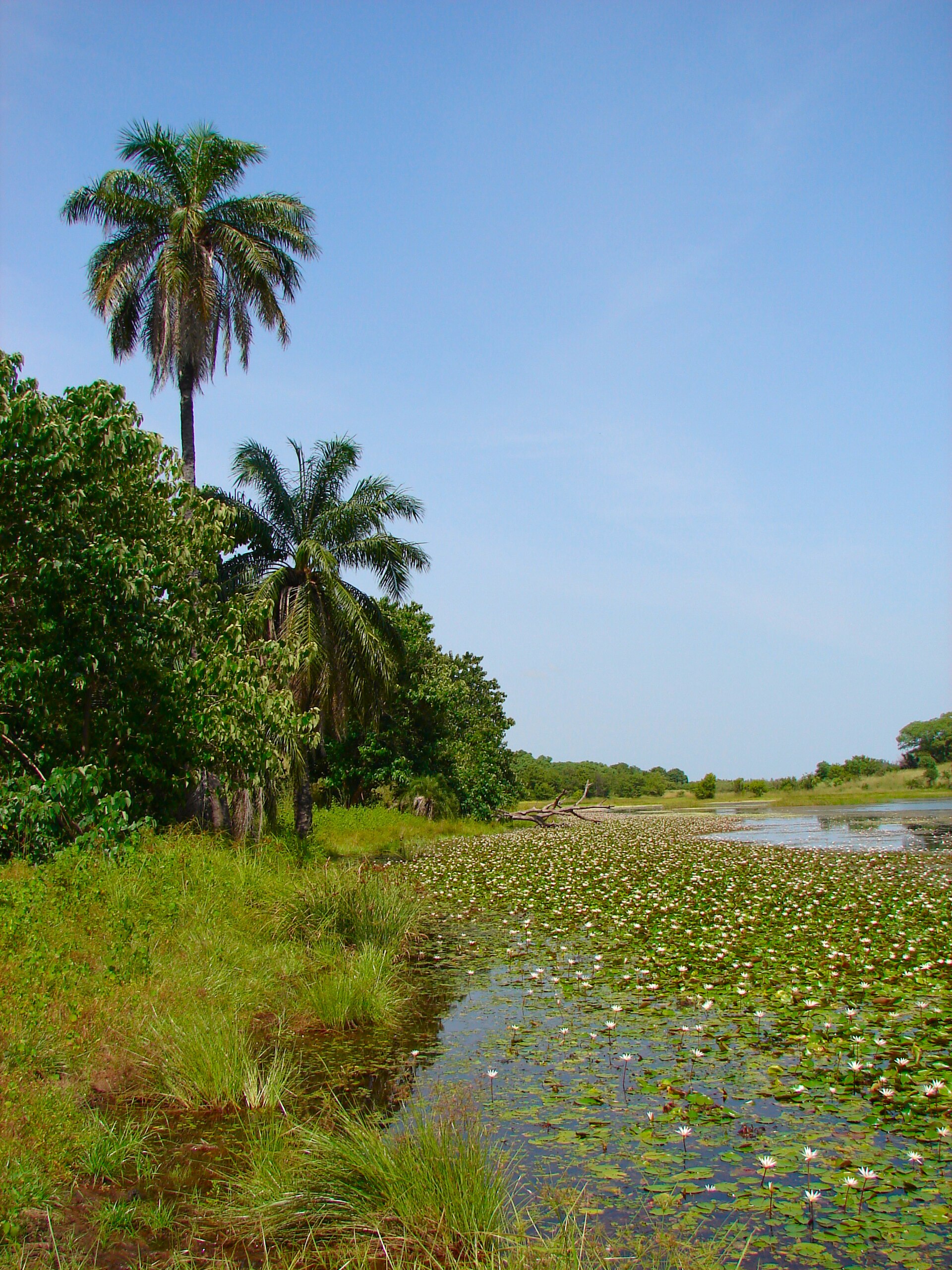
Kiang West National Park is one of The Gambia’s quietest and least explored protected areas, tucked away along the southern banks of the Gambia River, a few hours from the town of Farafenni. Unlike the country’s more famous reserves, it sees few visitors, and its landscapes remain largely untouched. The park covers around a hundred square kilometers, a patchwork of savannas, mangrove swamps, and gallery forests that stretch along the river’s channels. It’s a place where the rhythms of West African wilderness unfold without distraction—no crowds, no noise, just the slow pulse of the land.
The park’s history as a protected area began in the 1970s, when it became clear that the region’s fragile ecosystems needed safeguarding. Early scientific studies laid the groundwork for its eventual designation as a national park, though the land had long been vital to local communities. For generations, people here relied on its resources—hunting, fishing, and gathering wild fruits—practices that continue today, though now regulated to preserve the delicate balance. The park’s creation wasn’t just about conservation; it was also an acknowledgment of the deep connection between the land and the people who depend on it.
What makes Kiang West special is its biodiversity. In the dry season, the savannas turn golden, only to burst into lush green with the first rains. Towering baobabs, their thick trunks weathered by time, stand like ancient sentinels, while acacias and terminalia trees provide shade and sustenance for wildlife. The mangroves along the river are home to crocodiles and otters, and the forests shelter monkeys, including the elusive red colobus. But the park’s real draw is its birds. Kiang West is one of the best places in The Gambia for birdwatching, with pelicans, herons, and kingfishers nesting along the waterways, alongside countless migratory species that pause here during their long journeys.
Visitors can explore the park along several routes, each offering a different perspective. The most popular is a boat trip along the Gambia River, where hippos surface in the water and crocodiles bask on the banks. Walking trails wind through the savanna and forests, guided by locals who point out animal tracks and explain the uses of native plants. The landscape shifts dramatically with the seasons—dry months reveal sandy riverbanks, while the rainy season transforms the area into a maze of waterways and small islands. Timing matters: animals are most active in the cooler hours of early morning or late afternoon, when the heat isn’t so oppressive.
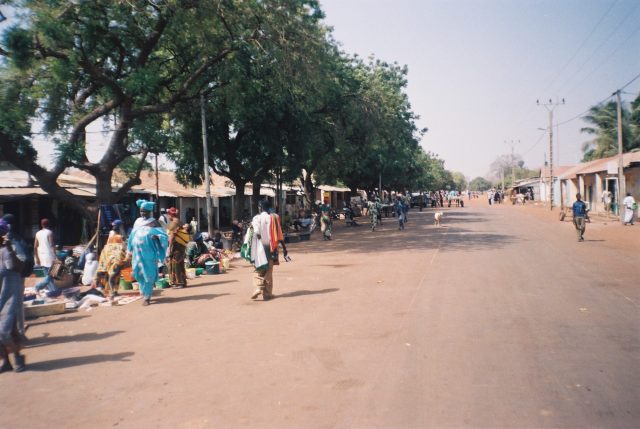
Beyond its natural beauty, Kiang West is a place where culture and nature intertwine. The surrounding villages are home to the Mandinka, Fula, and Wolof peoples, whose traditions are deeply rooted in this land. Many locals work as guides or park assistants, sharing knowledge passed down through generations—how to read the signs of the forest, which plants have medicinal uses, or where to find the best fishing spots. Some villages welcome visitors to experience their way of life, whether through traditional dances, stories of forest spirits, or simple meals of grilled fish, peanut stew, or baobab fruit. Staying in a guesthouse within the park often means being invited into a family’s home, where hospitality is as warm as the evening air.
Kiang West isn’t for those seeking luxury or convenience. There are no grand lodges or tourist traps here, just a handful of modest accommodations and the quiet hum of the wild. The roads can be rough, especially during the rainy season, and mobile reception is unreliable. But that’s part of the appeal. The park moves at its own pace, unhurried and unscripted. There’s no rigid schedule, no pressure to see everything at once—just the freedom to wander, to sit by the river, or to lie under the stars and listen to the sounds of the night.
For travelers who make the journey, Kiang West offers something rare: a chance to step away from the familiar and into a world that feels both ancient and immediate. It’s not a place you visit for a quick photo op or a checklist of sights. It’s a place where time slows down, where the line between observer and participant blurs, and where the simplest moments—a hippo’s snort in the distance, the rustle of leaves in the wind—become the most memorable. Those who come here often leave with more than just memories; they leave with a sense that they’ve touched a part of Africa that hasn’t changed much in centuries.
If you’re planning a visit, come prepared for simplicity. Pack light, bring patience, and leave expectations behind. The park doesn’t promise spectacle, but it delivers something far more valuable: the quiet thrill of being in a place where nature still sets the rules. And perhaps that’s why, despite its remoteness, Kiang West has a way of drawing people back. Once you’ve experienced its unfiltered beauty, it’s hard not to wonder when you’ll return.