- Home
- The Gambia
- Farafenni

Farafenni
The Gambia · 4 places
Photo: Radosław Botev, Attribution
Farafenni
Farafenni sits in northern Gambia, along the riverbank, where the tide sets the pace. No city noise, no souvenir stalls—just narrow lanes where children play with handmade footballs and elders watch the day pass from their doorsteps. The town doesn’t perform for visitors; it just is.
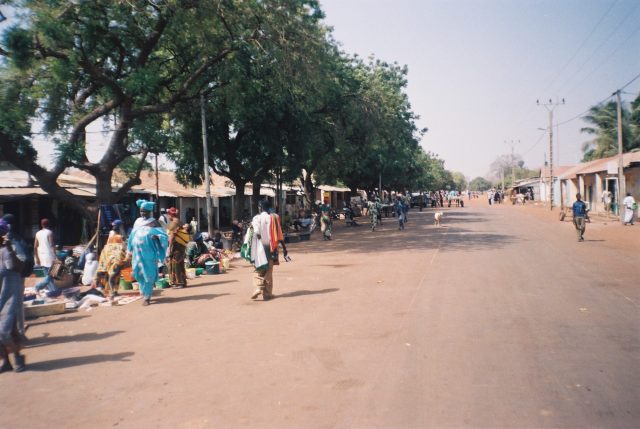
Travellers know it as a stop between Gambia and Senegal. The border road runs through its center, and most hurry past. But those who stay find something else. The market spills over with peanuts, mangoes, and spices on woven mats. Grilled fish and fresh bread scent the air. Small cafés serve strong tea with milk while donkeys carry goods down the street. The rhythm here isn’t measured in hours.
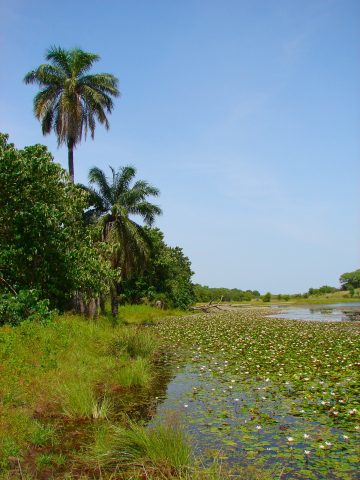
The Gambia River widens here, calm and reflective. Fishermen leave at dawn and return by midday to sell their catch on the bank. Children wade in the shallows. Women wash clothes on flat stones. When the rains come, the river rises, cutting the town off from the mainland. Then Farafenni slows even more, following the season’s lead.
There are no forts or museums, no resorts. The town doesn’t need them. What lingers are the small things: how people greet each other, how they shape canoes from single tree trunks, the distant drumbeat at dusk. This isn’t a place for spectacle. It’s a place for quiet noticing.
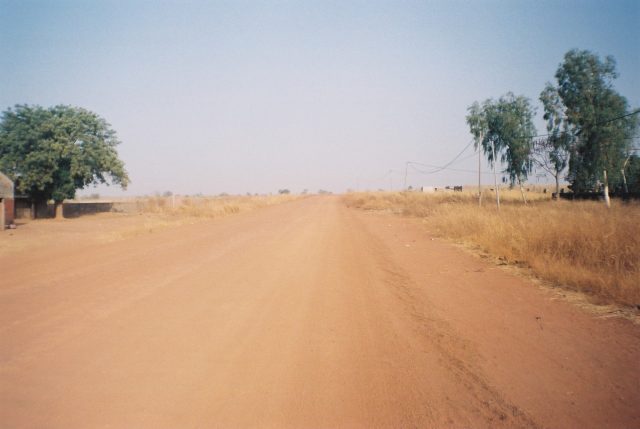
Beyond the town, savannah stretches into villages where life hasn’t changed much. Walk the riverbank and spot birds in the reeds. Visit a settlement where strangers are met with rural warmth. No trails, no crowds—just the quiet pull of discovery. Farafenni doesn’t pretend. That’s why it stays with you.
See & Do
All of them
Places on the map
Marker colour follows the categoryClimate and weather
Detailed weather: Farafenni- Average temperature
- 29 °C
- Precipitation per year
- 840 mm
- Sunshine hours per day
- 9.7 h
Average air temperature
°C
27
29
30
31
30
30
29
29
29
30
29
28
Jan
Feb
Mar
Apr
May
Jun
Jul
Aug
Sep
Oct
Nov
Dec


