Cambridge is more than just a university—it’s a place where history, scholarship, and architecture merge so seamlessly that time seems to move differently here. Founded in the early 13th century, it stands as one of Europe’s oldest seats of learning, a center of intellectual life that has shaped generations of thinkers. The names associated with its halls—Newton, Darwin, Hawking, Byron—are etched into the annals of science and literature, but the university’s essence lies beyond its famous alumni. It’s a living campus woven along the River Cam, where each college exists as its own world, with distinct traditions, architecture, and atmosphere.
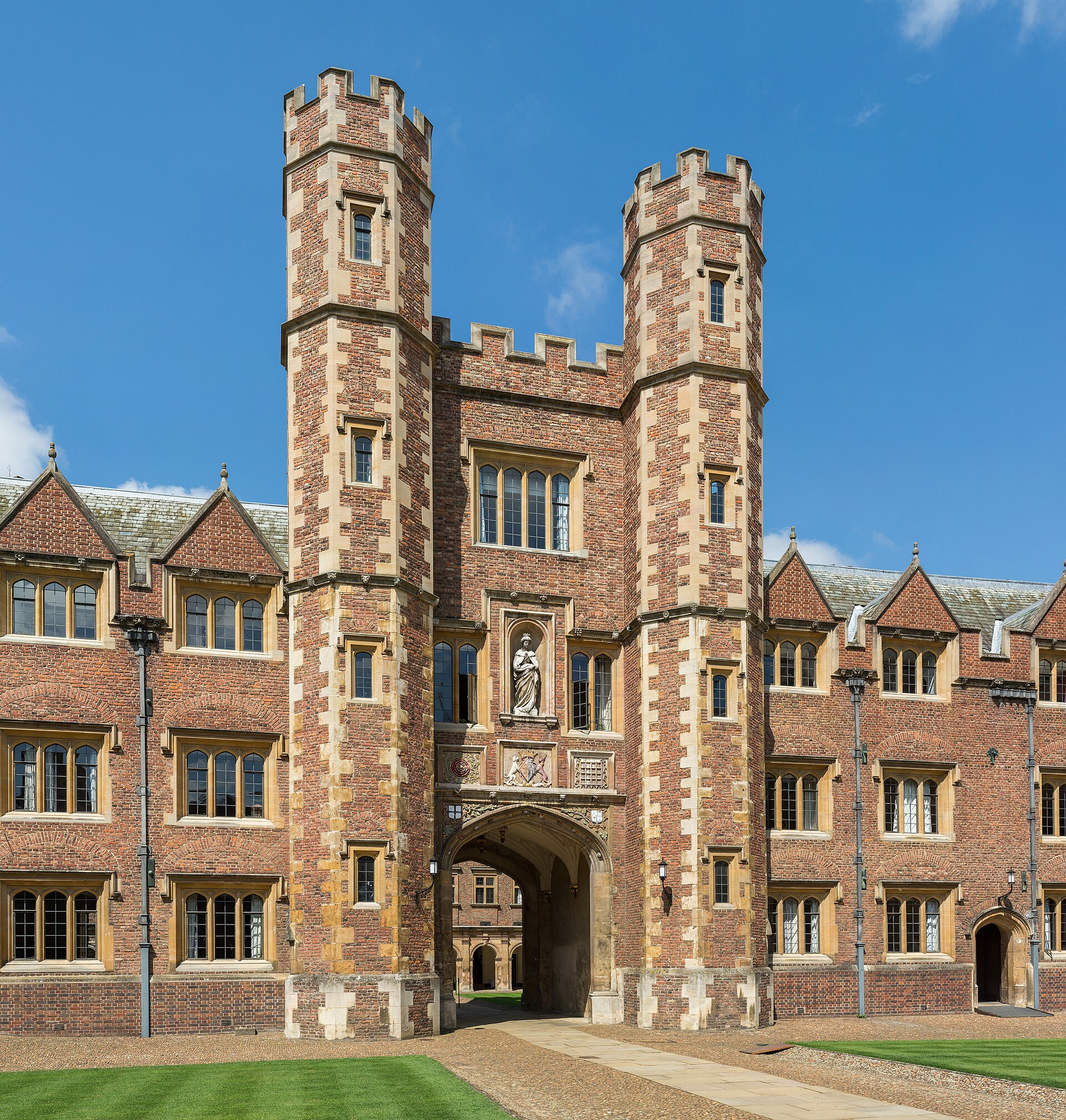
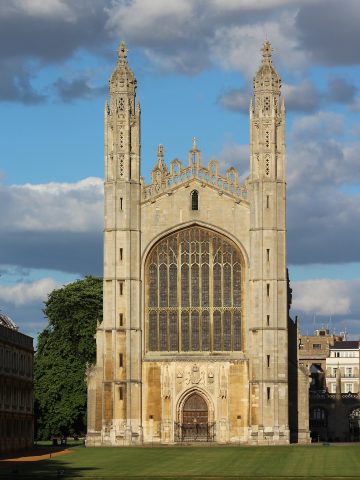
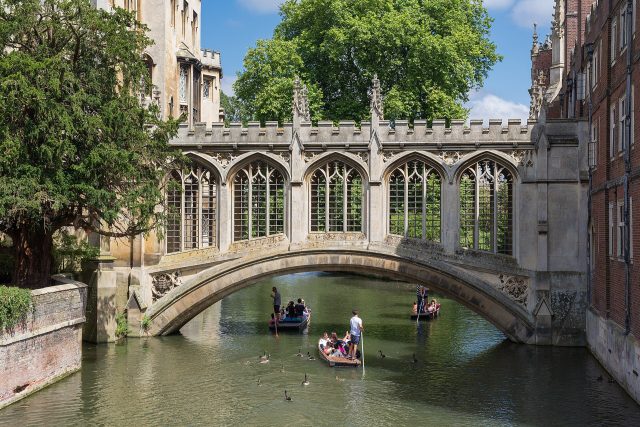
The collegiate system is what sets Cambridge apart. The university comprises 31 autonomous colleges, each with its own history, governance, and even coat of arms. King’s College, established by Henry VI in 1441, is renowned for its chapel—a masterpiece of late Gothic architecture crowned by the largest fan-vaulted ceiling in the world. St John’s College, founded in 1511, boasts the Bridge of Sighs, a structure that echoes its Venetian namesake. Wandering through the university’s grounds, it’s easy to forget the present; the ancient buildings, manicured lawns, and quiet courtyards create the sense of stepping into another era.
The River Cam is as much a part of Cambridge as the colleges themselves. In warmer months, its banks fill with students and visitors gliding along in flat-bottomed punts, propelled by long poles in a tradition that feels almost ritualistic. From the water, the best views of the university unfold—grand facades, hidden courtyards, and the play of light on stone. Sunset transforms the scene, bathing the brick and limestone in gold while the river mirrors the architecture like a second, inverted world.
Yet Cambridge is not just a relic of the past. It remains a powerhouse of modern science, home to world-leading laboratories and research centers. The Cavendish Laboratory, where the electron was discovered and the structure of DNA unraveled, continues to drive breakthroughs. The university’s ties to industry and innovation run deep, with many graduates founding startups that shape the future. Even so, the academic atmosphere endures—lectures in wood-paneled halls, debates in centuries-old pubs, and exams taken in traditional black gowns.
Traditions here are observed with the same reverence as scientific achievements. Each June, the graduation ceremony sees students in formal robes processing through the Senate House. In October, freshers are officially welcomed at King’s College Chapel, a ritual that marks the start of their university journey. Even student societies carry weighty histories; the Cambridge Union, founded in 1815, remains a stage for debate, having hosted figures like Churchill and Theodore Roosevelt.
Beyond the lecture halls and libraries, Cambridge thrives as a student city. Pubs buzz with conversation in the evenings, while weekends bring concerts, exhibitions, and festivals. In winter, the streets glow with Christmas lights, adding warmth to the crisp air. Despite its global reputation, Cambridge retains the pace of a provincial town—compact, walkable, and free from the frenzy of larger cities.
The university’s architecture tells its own story, spanning centuries of design. Medieval colleges stand alongside modern glass-and-steel structures, their contrasting styles coexisting in harmony. King’s College’s Gothic grandeur is juxtaposed with the sleek lines of the university library, while Clare College, founded in 1326, shelters one of Cambridge’s most beautiful courtyards. The buildings don’t just preserve history; they embody the evolution of ideas.
Cambridge is a place where every stone whispers of the past, yet it remains vibrant and evolving. You could spend hours wandering its narrow lanes, peering into ancient courtyards, or watching students go about their day. Or you might simply sit by the river, reflecting on the countless minds that have walked these paths before you. However you experience it, Cambridge leaves the sense of having touched something enduring—something far greater than a university.