- Home
- United Kingdom
- Cambridge
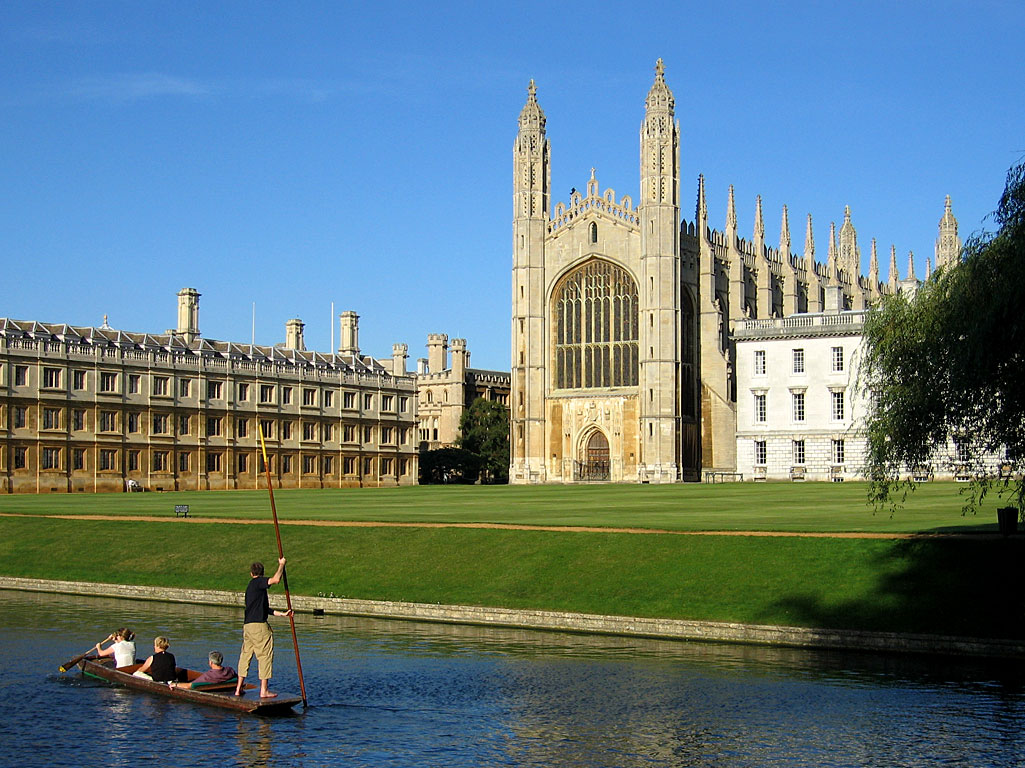
Cambridge
United Kingdom · 3 places
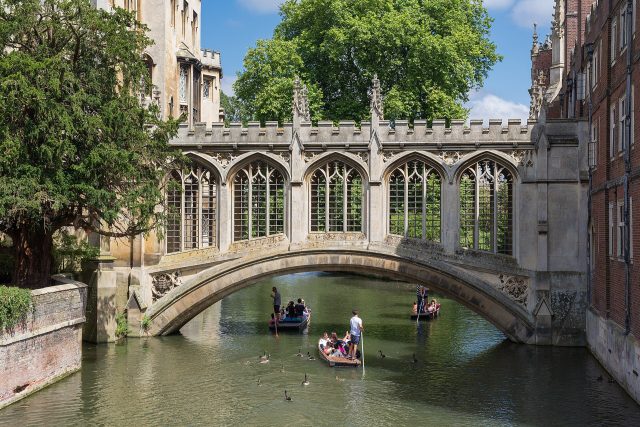
Photo: Andrew Dunn, CC BY-SA 2.0
Cambridge moves at its own pace, as if the centuries have settled into the very stones beneath your feet. There’s no rush here, no hum of a city in a hurry—just quiet lanes paved with cobblestones, lined with the walls of colleges that have stood since the Middle Ages. Walking through the centre feels like stepping into a living history book, where every courtyard and archway carries the weight of the past. This is where modern science took shape, where generations of scholars have left their mark, and where the rhythm of the academic year dictates the mood of the streets. Autumn brings golden leaves drifting onto manicured lawns, where students pore over textbooks, while spring sees graduates in flowing gowns posing against the backdrop of timeworn buildings, a scene that hasn’t changed in hundreds of years.
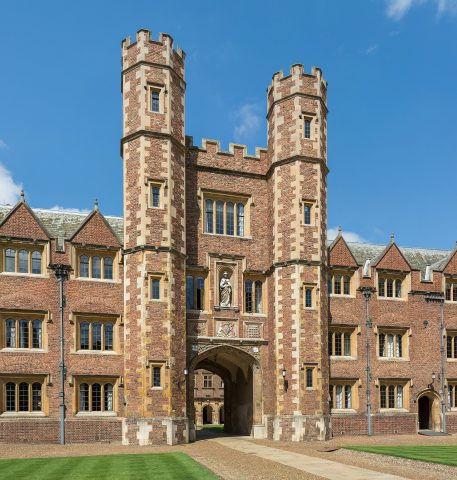
At the heart of it all is the university, one of the oldest in the world, though it defies the usual idea of a campus. Instead of a single sprawling complex, Cambridge is a collection of thirty-one independent colleges, each with its own character, traditions, and even its own coat of arms. They’re scattered across the city, their Gothic towers and hidden gardens instantly recognisable. Some courtyards remain off-limits to visitors, but if you’re lucky, you might catch a glimpse of students in black gowns hurrying to lectures or lounging on the grass with books—an image that could have been lifted from the 18th century. Trinity College stands out, not just for its grandeur but for its legacy: Newton and Byron studied here, and its library holds manuscripts by Milton and Wittgenstein.
The River Cam weaves through the city like a thread, its gentle current shaping the way Cambridge lives. Bridges from the Victorian era arch over the water, while flat-bottomed punts glide beneath them, carrying passengers past the back gates of colleges, where hidden gardens and private jetties peek out from behind high walls. Punting is a rite of passage for visitors, a slow, unhurried way to see the city from a different angle. From Clare Bridge, the view is postcard-perfect—the spires of chapels and the towers of the university reflected in the water, a sight that draws photographers from all over. And then there are the races, when college teams battle it out on the river, their oars slicing through the water in a display of speed and precision.
Yet Cambridge isn’t just a relic of the past. It’s a place where history and innovation exist side by side, where centuries-old traditions meet cutting-edge research. The city has been at the forefront of scientific breakthroughs—here, the structure of DNA was discovered, the world’s first webcam was invented, and today, labs are pushing the boundaries of artificial intelligence, biotechnology, and quantum computing. Despite this, Cambridge hasn’t lost its charm. Markets sell fresh local produce, pubs buzz with conversation, and in the evenings, old-fashioned streetlamps cast a warm glow over the cobblestones, as if the city itself is reluctant to let modernity erase its character.
Life here is unhurried but far from dull. There’s room for quiet evenings in riverside cafés, raucous student parties, and long walks through parks where foxes dart across the grass. The city has a way of surprising you—a spontaneous concert in a college chapel, an avant-garde art exhibition tucked away in a historic courtyard, or a festival that turns the streets into a stage. Cambridge doesn’t shout about itself; it doesn’t need to. Its appeal lies in its quiet confidence, in the way it balances the weight of history with the energy of the present, each enriching the other without ever overshadowing it.
See & Do
3 places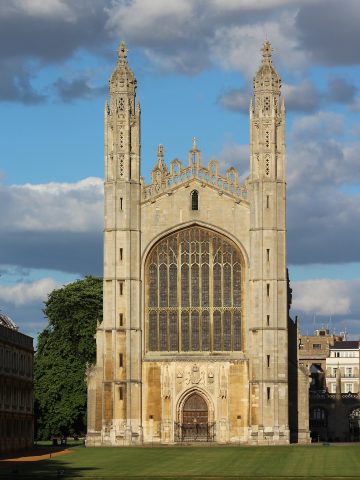
Places on the map
Marker colour follows the categoryClimate and weather
Detailed weather: Cambridge- Average temperature
- 11 °C
- Precipitation per year
- 744 mm
- Average humidity
- 78 %
- Sunshine hours per day
- 7.7 h
- Time zone
- UTC+1 (GMT+1)
Average air temperature
°C
4
7
8
10
13
17
18
18
16
12
8
7
Jan
Feb
Mar
Apr
May
Jun
Jul
Aug
Sep
Oct
Nov
Dec