Étretat’s casino clings to the Normandy coast like a memory that refuses to fade. Built in the late 1800s, it rose alongside the town’s reputation as a retreat for Parisian society—artists, writers, and aristocrats who came for the sea air and stayed for the cliffs. The casino wasn’t just a gambling hall. It was where evenings unfolded to the murmur of cards, the clink of glasses, and the faint music of an orchestra.
The building doesn’t shout. Its facade mixes classical lines with the soft curves of art nouveau, a style that defined the era. Tall windows let in the pale northern light, and inside, high ceilings and spacious rooms hold the quiet dignity of old European resorts. No neon, no gilded excess—just polished wood, antique chandeliers, and mirrors that have watched generations pass through. You might still catch the ghost of a woman adjusting her gloves at the bar or a man pausing to light a cigarette before returning to the tables.
Today, the casino is more than a place to gamble. It hosts concerts, art exhibitions, and literary evenings. In summer, visitors fill the rooms, drawn as much by the atmosphere as by the games. There are no flashing lights or crowds, just the quiet hum of conversation and the occasional clatter of chips. It feels like a private club where time moves at its own pace.
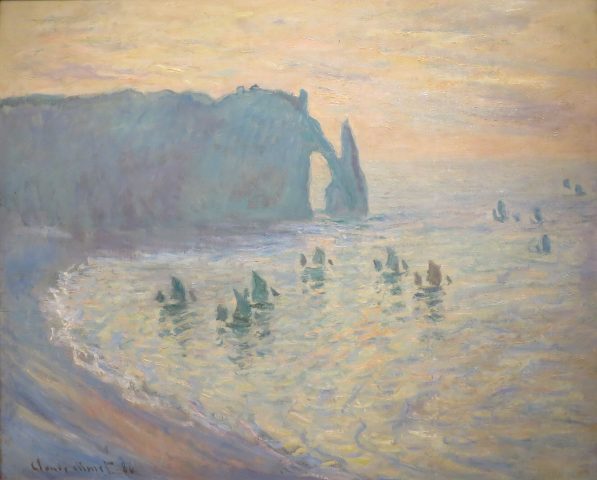
Étretat has always been tied to art. In the late 19th and early 20th centuries, Monet painted its cliffs from every angle, while Maupassant set stories here. The casino was where artists and writers gathered, where debates stretched late into the night. Even now, the walls seem to hold echoes of those conversations. The views from the windows—the same cliffs, the same sea—haven’t changed since Monet stood before his easel.
The casino hasn’t become a museum. You can still play roulette or blackjack, or step into the café for a glass of local cider. In the evenings, the terrace fills with people watching the sunset over the English Channel. In winter, it grows quieter, almost intimate, inviting you to linger over a drink or a hand of cards.
Étretat is a place of contrasts—raw cliffs and gentle streets. The casino sits at the center, a bridge between the town’s artistic legacy and its daily life. It doesn’t try to impress. The appeal lies in the details: the sound of the sea, the warmth of the wood-paneled rooms, the way the light falls through the windows in the afternoon.
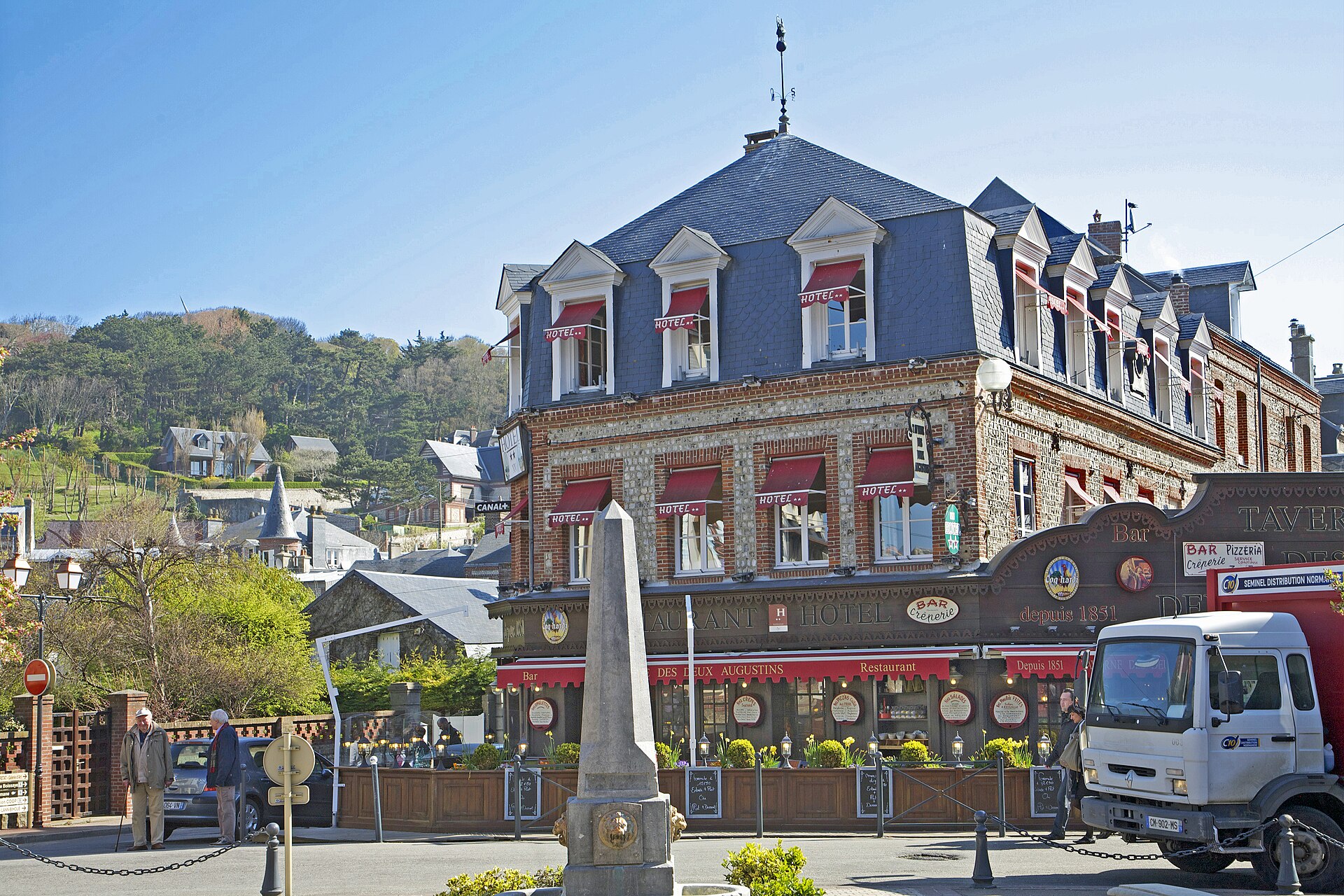
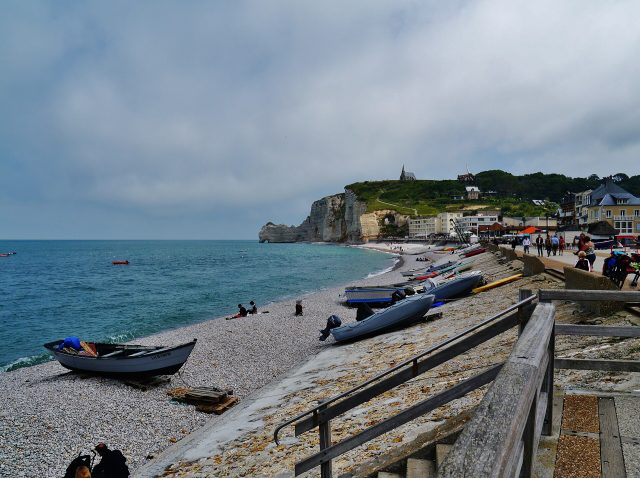
A small park sits just outside, perfect for a walk before or after your visit. The casino is also close to Étretat’s other landmarks—the towering Aval cliff, the natural arch of Porte d’Aval, and the sweeping beach. The town is compact; you can walk from the casino to the waterfront in minutes. The narrow streets, lined with half-timbered houses, lead naturally to the promenade and back to the casino.
What makes Étretat’s casino special isn’t its size or fame. It doesn’t demand attention. It earns it, slowly, the way the best places do. In a world that chases spectacle, it offers something simpler: a reminder that elegance is about taking the time to notice the moment. For some, it’s just a stop on the way to the beach. For others, it’s a doorway to a world that feels just a little out of time.