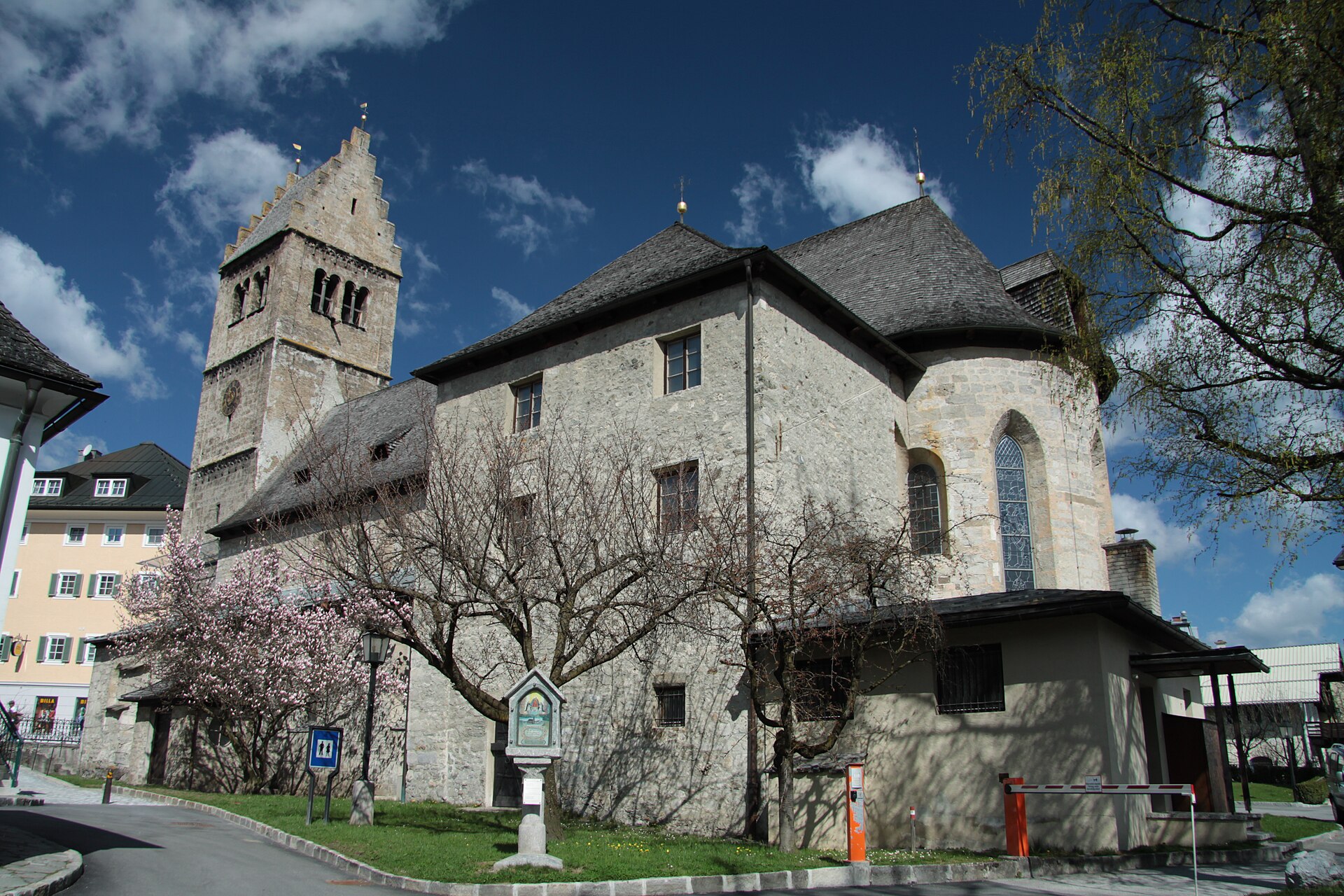
The Chapel of Saint Mary in Pula is one of those quiet places that seem to exist outside of time, a small building that has endured centuries without losing its sense of the past. Tucked away in the old part of the city, it stands apart from the more crowded tourist spots, and that distance from the bustle makes it easier to feel the weight of history here. The chapel’s unassuming exterior—simple lines, rough stone walls—doesn’t immediately demand attention, but those who pause at its threshold often find something deeper than just another historic monument.
Built in the 6th century during the late antique period, when Pula was under Byzantine rule, the chapel carries the marks of an era that left its imprint across the city. What makes this place particularly interesting is how it was constructed over the remains of an earlier Roman structure, possibly even a pagan temple. The builders incorporated fragments of old columns and capitals into the new walls, blending the old with the new in a way that feels almost deliberate. This layering of history is visible in the way the stonework shifts from one period to another, a quiet conversation between different ages.
Inside, the chapel is modest but not without grace. The space is small, lit by soft light filtering through narrow windows, and the walls bear faded frescoes that still hint at their former beauty. The paintings, though fragmentary, follow the restrained style of early medieval art—more about symbolism than decoration. There are no grand scenes or gilded halos here, just a sense of quiet devotion that must have filled this place centuries ago. The apse, in particular, holds images of saints rendered in a strict iconographic tradition, their faces worn by time but still carrying a sense of presence.
From the outside, the chapel looks almost unremarkable: low stone walls, a simple portico with two columns, a plain gabled roof. Yet that very simplicity gives it a certain strength. Unlike the grand Roman monuments nearby, it doesn’t try to impress with scale or opulence. Instead, it feels like a reminder that faith and art don’t always need grandeur to leave a mark. During the Middle Ages, the chapel was part of a monastery complex, though little remains of that today. Now, it stands alone amid the modern city, yet it hasn’t lost its connection to the past.
The chapel’s dedication hasn’t always been to Saint Mary. Over the centuries, it was rededicated to different saints, only taking its current name in the late medieval period. This shifting identity reflects the broader changes in Pula itself—a city that has absorbed influences from Romans, Byzantines, Venetians, and Austrians over the centuries. The chapel, like much of Pula’s heritage, serves as a kind of bridge between these eras, preserving traces of each in its walls.
Today, the Chapel of Saint Mary isn’t a major tourist attraction, and that’s part of its charm. Visitors are few, allowing for a quiet, unhurried experience. Inside, the air is still, broken only by the occasional footsteps or the rustle of leaves outside. In summer, the cool interior offers a respite from the heat, while in winter, the light through the windows casts warm patches on the stone, making the space feel almost intimate. There’s a sense that time moves differently here, as if the centuries have settled into the walls.
This isn’t a place that dazzles at first glance. It’s small, unadorned, and free of anything flashy. But that’s precisely what makes it special. The chapel doesn’t demand attention; it invites reflection. While Pula has many monuments that speak of grand historical narratives, this little building tells a different story—one of continuity, of ordinary people who came here over generations to find solace or a moment of quiet. It doesn’t feel like a relic of the past so much as a place where history is still unfolding, one quiet visit at a time.