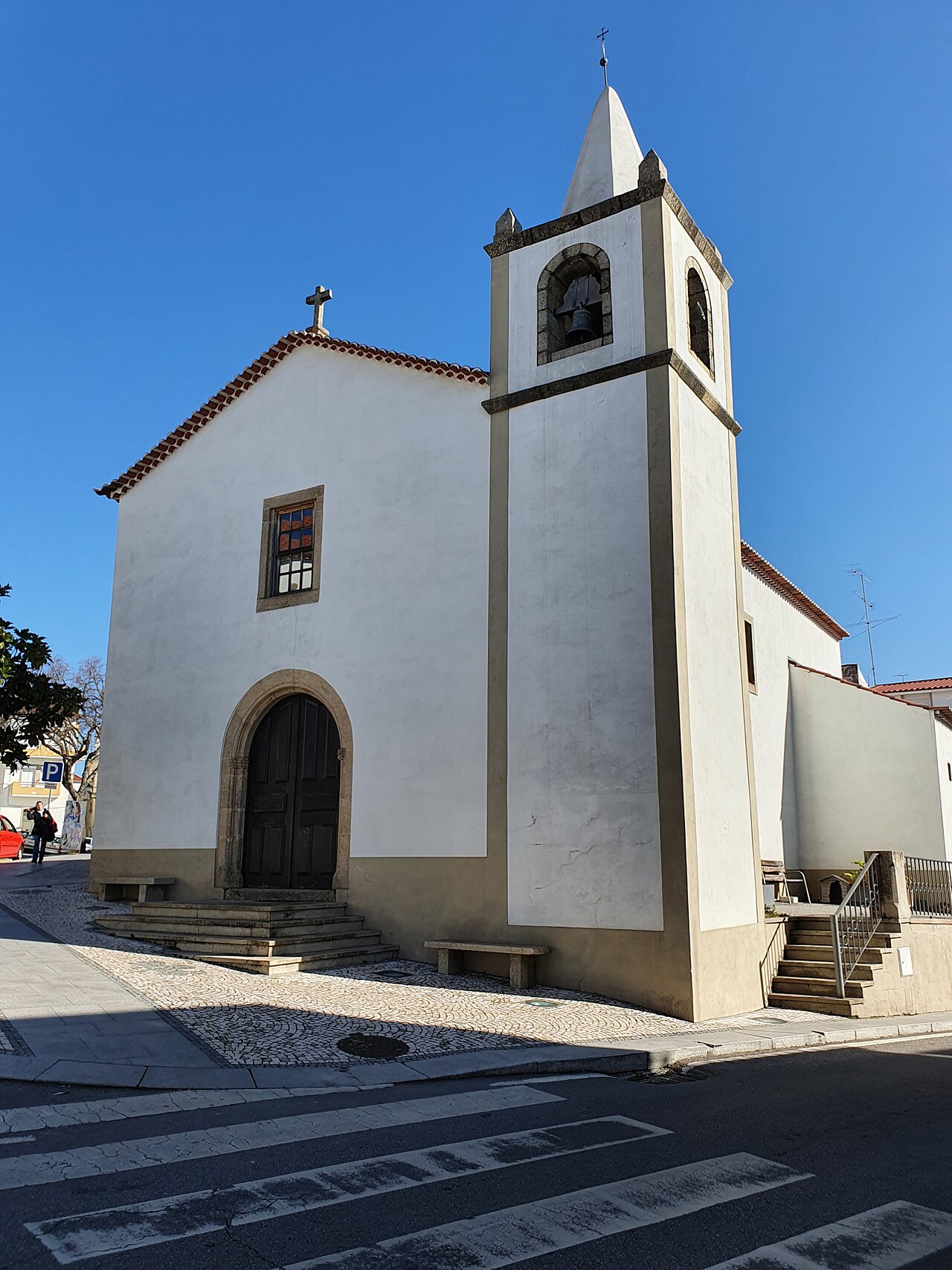
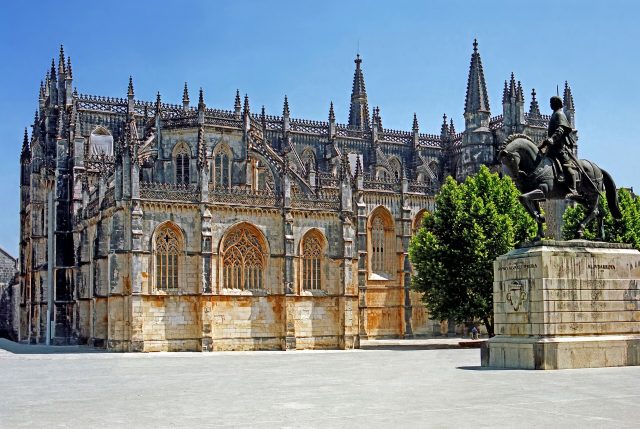
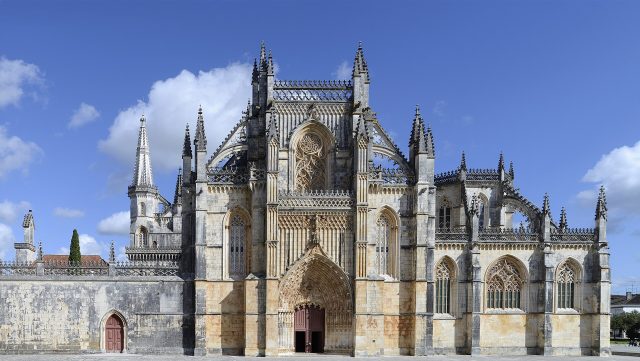
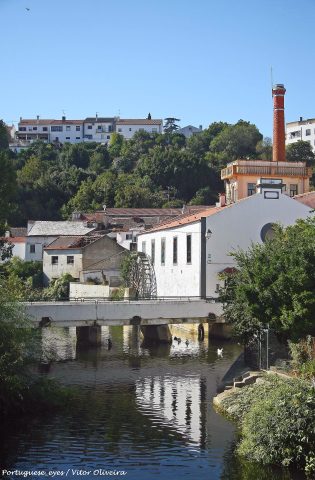
The Chapel of the Holy Spirit in Batalha stands apart from the town’s famous monastery. Few visitors notice it, though those who do find a building tied to Portugal’s medieval past. Its walls hold traces of an era when faith shaped daily life—not just in battles, but in the routines of ordinary people.
The chapel was part of a hospital complex founded by King João I after his victory at Aljubarrota. That battle secured Portugal’s independence from Castile and marked the start of the Aviz dynasty, which ruled for the next two centuries. The chapel was more than a place of worship; it symbolized a new beginning, one built on hope and the forging of a national identity. Its presence reflected the belief that even in war, there must be room for healing.
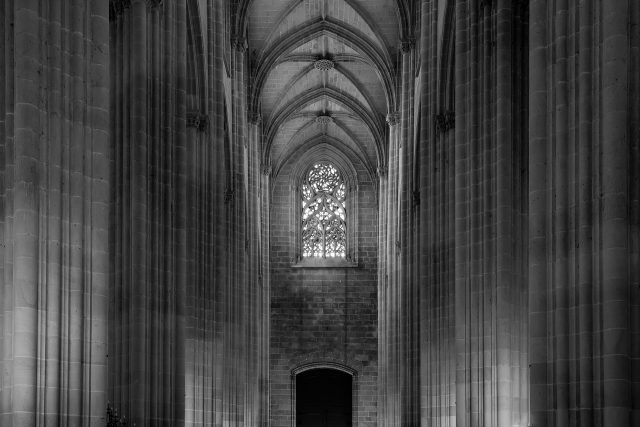
The chapel’s architecture is simple. Pale stone forms its façade, with a modest Gothic portal and a small round window that softens the light inside. The interior is small, its vaulted ceiling resting on slender columns. Once, frescoes covered the walls, but time has left only faint outlines. What remains is a sense of quiet, a space meant for reflection rather than display.
The altar is the most striking feature, carved in the Manueline style—Portugal’s take on late Gothic architecture, with maritime motifs and detailed work. Unlike grand cathedrals, the chapel’s beauty lies in its restraint. Each stone seems to hold the weight of prayers offered over centuries. For generations, the sick, pilgrims, and locals came here for comfort, a reminder that history is shaped by those who lived it, not just those who ruled.
Today, the chapel is rarely used for services. Most visitors come to see medieval architecture or to escape the crowds. A small garden surrounds it, with a bench where you can sit and listen to the wind in the trees. In these moments, Batalha feels like a place where the past lingers.
The chapel has survived earthquakes, wars, and time. Each restoration has preserved its original character. It represents more than stone and mortar; it is a piece of Portugal’s history, scaled to human lives. There are no royal tombs here, only a modest space that holds the stories of those who prayed and healed within it. It reminds us that behind every great event, there are ordinary people.
If you visit Batalha, don’t rush to the monastery. Take the narrow street past the cafés and shops, and step inside the chapel. Stand where centuries of change have passed, yet the place remains the same. Portugal’s character isn’t just in its grand monuments—it’s in the quiet dignity of places like this.