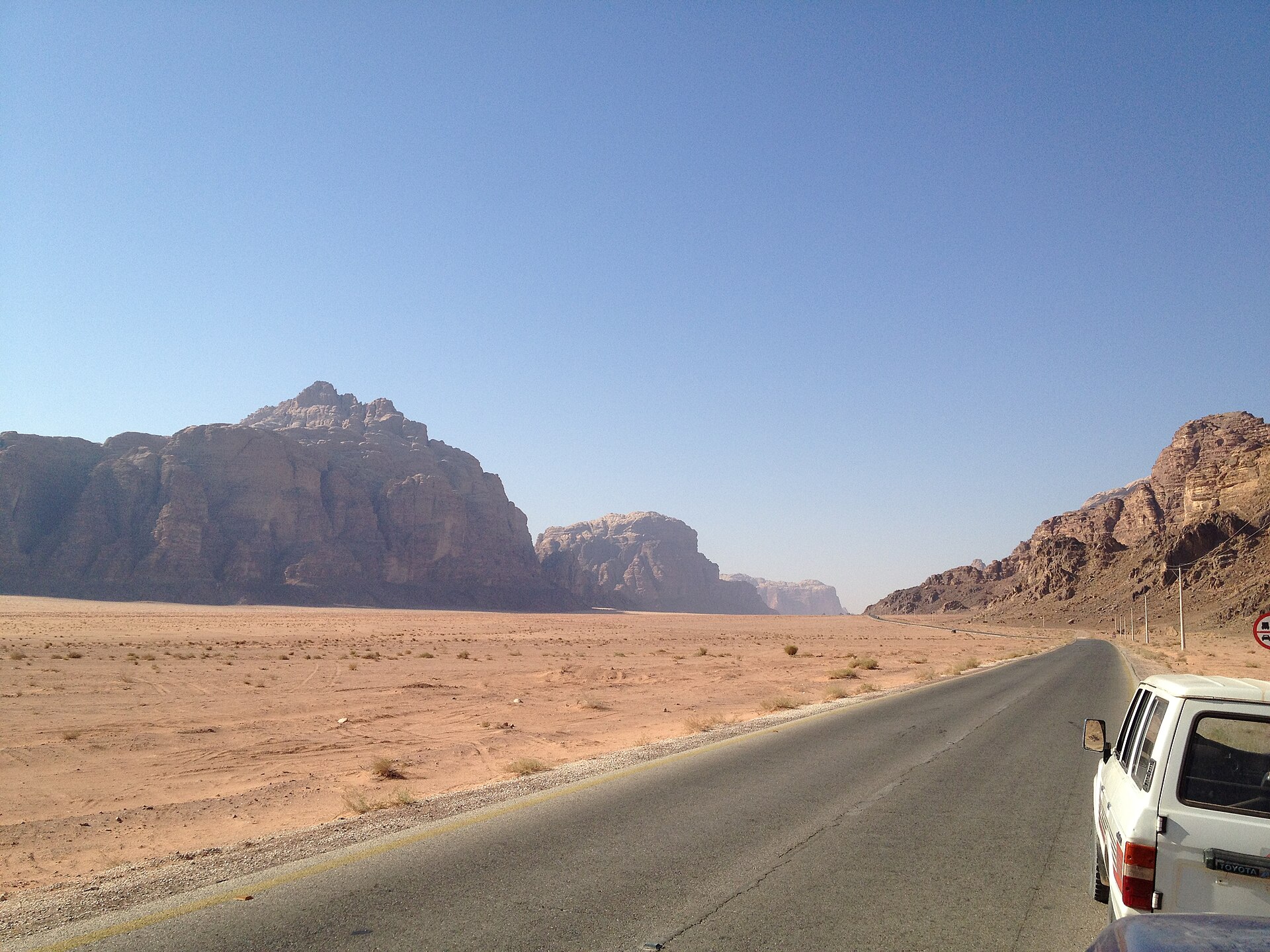
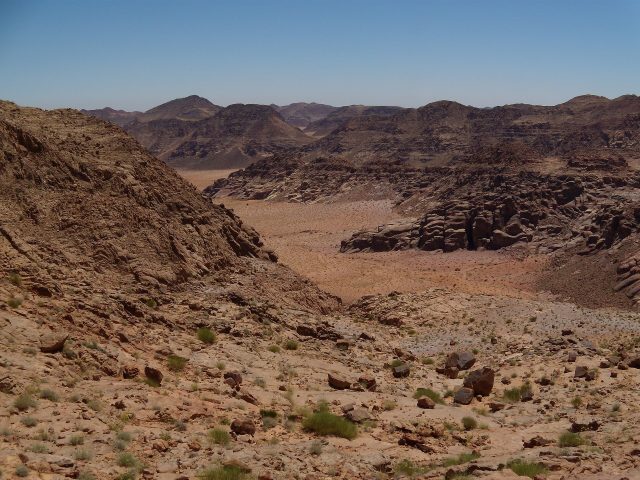
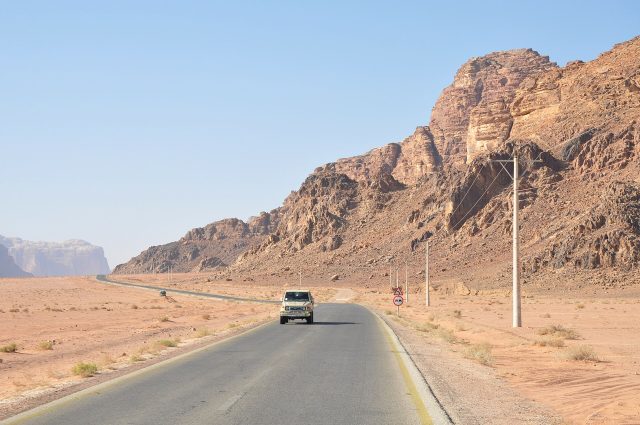
Wadi Rum’s Kharit Canyon is one of those places where the desert doesn’t just stretch before you—it speaks. Tucked away in the vast, sunbaked expanse of southern Jordan, this narrow passage between towering sandstone walls feels like a hidden world, untouched by the rush of modern tourism. Unlike Petra’s crowded ruins or the well-trodden paths of Wadi Musa, Kharit Canyon offers something quieter: the chance to walk where Bedouin traders, ancient travelers, and even film crews have left their mark, not in grand monuments, but in the silent language of rock and sand.
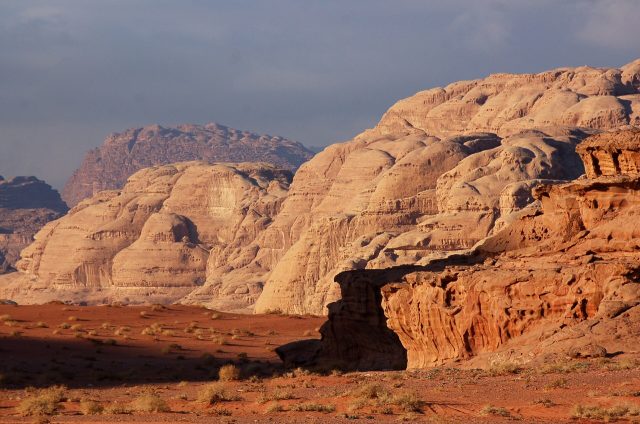
The canyon’s origins are written in its layers. Over millions of years, wind and water sculpted these walls from sandstone and granite, their reddish hue a result of iron-rich minerals that oxidize under the desert sun. The striations in the rock tell a story of shifting climates and ancient rivers, long since dried up, that once carved their way through the stone. Even now, the wind continues its slow work, smoothing edges and reshaping the landscape grain by grain. After rare winter rains, a thin stream might trickle along the canyon floor, but for most of the year, the silence is broken only by the occasional rustle of a lizard darting across the sand or the distant call of a Bedouin guide.
For centuries, this land belonged to the Bedouin, who knew its secrets intimately. To them, Wadi Rum was never just a desert—it was home, a place of shelter and survival. Kharit Canyon, with its narrow passageways and shaded alcoves, provided refuge from the midday sun and the howling winds that sweep across the open dunes. The Bedouin navigated these paths by memory, their knowledge passed down through generations, turning the canyon into a living map of the desert. Today, some families still live in the area, offering tea to visitors or leading small groups through the canyon’s twists and turns. Their stories—of camel caravans, hidden water sources, and the rhythms of desert life—bring the landscape to life in a way no guidebook ever could.
Walking through Kharit Canyon is like stepping into another era. The entrance is deceptively modest, a slit in the rock that widens into a corridor barely wide enough for two people to walk side by side. As you move deeper, the walls rise sharply on either side, their surfaces pockmarked by wind and time. Sunlight filters through the narrow gap above, casting shifting patterns of light and shadow across the stone. In some places, the canyon narrows so dramatically that you have to turn sideways to squeeze through; in others, it opens into small, sunlit clearings where hardy desert plants cling to life. The air is cooler here, sheltered from the desert heat, and the silence is so complete that you can hear the sound of your own footsteps on the sand.
There’s a cinematic quality to Kharit Canyon, one that has drawn filmmakers for decades. The towering red cliffs and labyrinthine passages have stood in for alien landscapes in *The Martian* and doubled as the backdrop for *Lawrence of Arabia*, their otherworldly beauty making them the perfect setting for stories of adventure and isolation. Standing in the canyon’s depths, it’s easy to see why. The play of light and shadow, the way the rock seems to glow at certain times of day, the sense of being enclosed in a natural cathedral—all of it feels like a stage set for something larger than life. Even the silence has a presence here, as if the canyon itself is holding its breath, waiting for the next scene to unfold.
What makes Kharit Canyon special is its lack of pretense. There are no gift shops, no guided tours with loudspeakers, no crowds jostling for the best photo. Instead, there’s space—space to wander, to sit, to simply be. The best times to visit are early morning or late afternoon, when the low angle of the sun turns the sandstone into a palette of deep reds and golds. The light softens the edges of the rock, making the canyon feel almost fluid, as if the walls themselves are breathing. At these hours, the desert’s colors are at their most vivid, and the air carries a hint of coolness, a brief respite from the heat that dominates the rest of the day.
This isn’t a place you can fully appreciate from a distance. To understand Kharit Canyon, you have to walk its length, run your fingers along the rough surface of the rock, and let the silence settle around you. There’s no grand finale here, no dramatic viewpoint that sums it all up. Instead, the magic lies in the details: the way the light slants through a crack in the stone, the faint scent of thyme carried on the breeze, the sudden glimpse of a Bedouin tent in the distance, smoke curling from its chimney. It’s a reminder that the desert isn’t empty—it’s alive, in its own quiet way.
For those who come to Wadi Rum expecting only endless dunes and open skies, Kharit Canyon is often a surprise. It’s a place that rewards patience, where the real beauty reveals itself slowly, in the way the rock changes color as the sun moves, or in the way the canyon seems to close in around you one moment and open up to the vastness of the desert the next. There’s no rush here, no itinerary to follow. Just the land, the light, and the quiet understanding that some places are meant to be experienced, not just seen. And if you’re lucky, you might leave with the feeling that, for a little while, you’ve touched something timeless.