Deep in the heart of Wadi Rum, where the desert stretches endlessly under a vast sky, there stands a quiet reminder of a man who became a legend. The house known as Lawrence of Arabia’s Desert Home is a modest structure of sandstone, blending seamlessly into the rugged landscape. It was here, amid the towering cliffs and shifting dunes, that T.E. Lawrence—British officer, writer, and enigmatic figure of the Arab Revolt—once sought refuge during his campaigns in the early 20th century.
The house itself is unassuming, built in the traditional Bedouin style with thick walls of stacked stone, designed to keep out the scorching heat of the day and the chill of the desert night. Inside, the low ceilings and small rooms evoke a sense of simplicity, a stark contrast to the grand narratives often woven around Lawrence’s life. A few relics remain: faded photographs, copies of his letters, and maps that hint at the strategic importance of this remote outpost. These fragments offer a glimpse into a time when the desert was not just a backdrop but a battlefield, a meeting place, and a source of inspiration.
Lawrence’s connection to Wadi Rum was more than fleeting. During the Arab Revolt of 1917–1918, he used this area as a base for coordinating guerrilla attacks against Ottoman forces. The desert’s labyrinthine wadis and vast, open spaces made it an ideal terrain for irregular warfare, while the Bedouin tribes, with their intimate knowledge of the land, became invaluable allies. For Lawrence, Wadi Rum was not just a place of operations but a landscape that shaped his understanding of the people he fought alongside. His writings, particularly *Seven Pillars of Wisdom*, reflect a deep admiration for the desert’s harsh beauty and the resilience of its inhabitants.
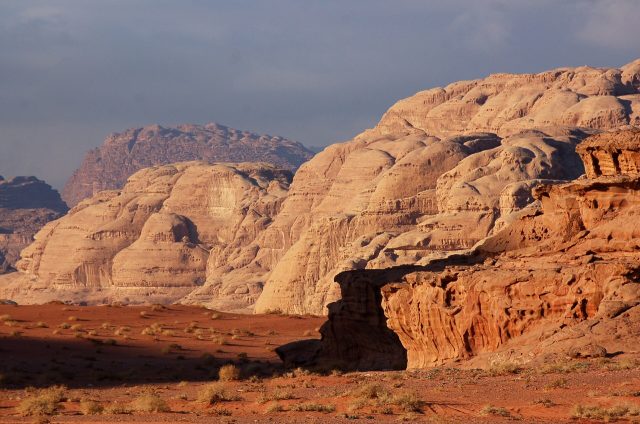
Today, the house is not a museum in the conventional sense. There are no guided tours with scripted narratives, no crowds jostling for the best view. Instead, it feels like a place suspended in time, where the past lingers in the silence. The wind carries the same whispers it did a century ago, and the rocks, stained red by iron oxide, glow in the shifting light of dawn and dusk. Visitors who make the journey here often do so not just to see the house but to experience the desert as Lawrence did—to stand where he stood and imagine the weight of the decisions made within these walls.
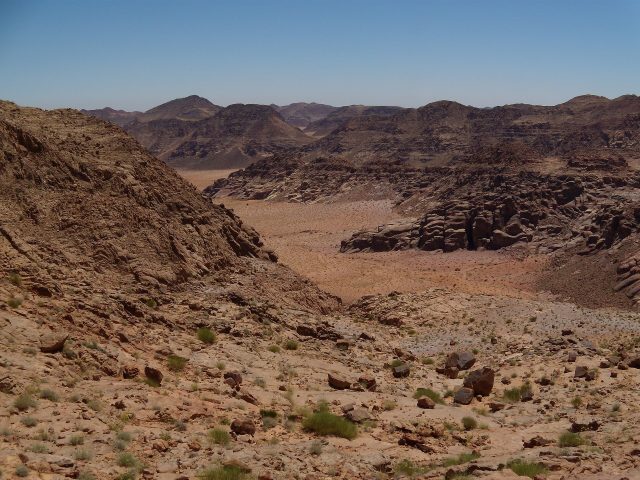
The desert around the house is a world unto itself. By day, the sand radiates heat, and the air shimmers like a mirage. By night, the temperature plummets, and the sky becomes a canvas of stars, so bright and dense it feels as though you could reach out and touch them. The rock formations, sculpted by wind and time, shift in color from deep crimson to soft gold, creating an otherworldly atmosphere. It’s easy to see why Lawrence was captivated by this place. The desert strips life down to its essentials, forcing those who enter it to confront both its beauty and its brutality.
For the Bedouin, Lawrence is more than a historical figure—he is a part of their oral tradition, a man who earned their respect by embracing their way of life. They remember him as *El-Aurens*, a leader who understood their customs and fought alongside them. His legacy here is not one of conquest but of collaboration, a rare moment when outsiders and locals found common cause. Even now, his name carries weight, a reminder of a time when the desert was a stage for larger-than-life characters and shifting alliances.
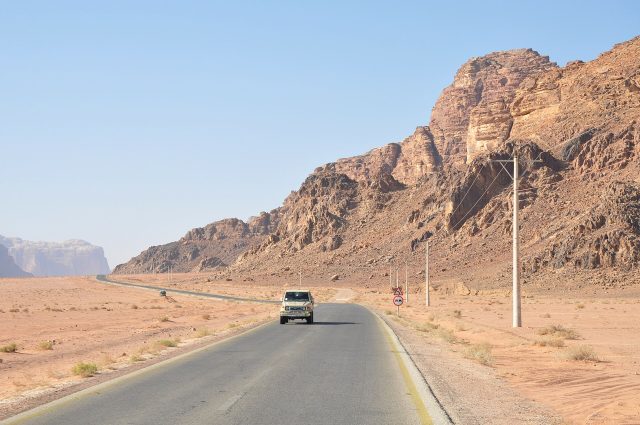
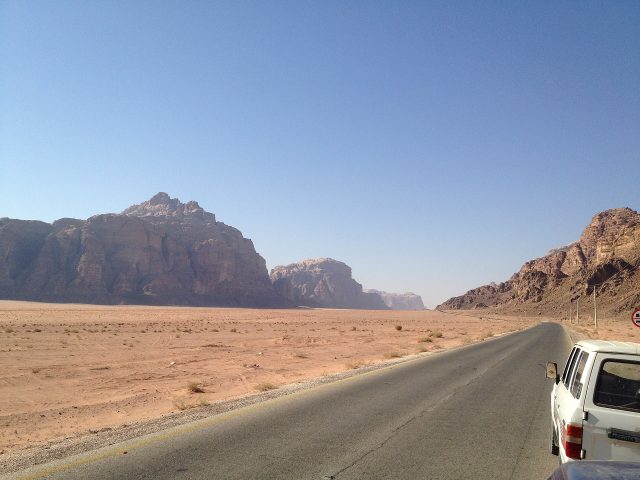
Reaching the house is an adventure in itself. There are no paved roads, no signs pointing the way—just the open desert and the occasional track worn into the sand by passing vehicles. Most visitors arrive by jeep or camel, following routes that have been used for centuries. Along the way, the landscape unfolds in layers: towering mesas, hidden canyons, and ancient petroglyphs etched into the rock by long-forgotten hands. The absence of modern distractions makes the journey feel like a step back in time, a chance to disconnect from the noise of the world and reconnect with something older, something enduring.
What makes this place special is not its grandeur but its authenticity. There are no gilded exhibits or polished displays, just the raw, unfiltered presence of history. The house, with its weathered walls and simple furnishings, tells a story of resilience—of people who thrived in a land that offers little mercy. It’s a place that invites reflection, not just on Lawrence’s role in shaping the modern Middle East, but on the broader human experience of survival, adaptation, and the search for meaning in a vast and indifferent landscape.
Visiting Lawrence’s Desert Home is less about seeing a monument and more about feeling a connection to the past. It’s a reminder that history is not just found in books or museums but in the land itself—in the wind that carries echoes of old battles, in the rocks that have witnessed centuries of human struggle, and in the quiet moments when the desert reveals its secrets to those who take the time to listen. For those who come here, it’s not just a stop on a journey but a chance to step into a story that is still unfolding.