Wadi Rum has a way of making you feel small in the best possible sense. The desert doesn’t just stretch before you—it swallows time itself, leaving only the raw, unfiltered presence of the land. Among its many natural wonders, the Ram Arch stands as one of the most striking. Carved by wind and erosion over countless millennia, this sandstone formation rises like a gateway between earth and sky, its curves softened by the relentless touch of the elements. It’s not just a rock; it’s a monument to patience, shaped by forces that have no concept of hurry.
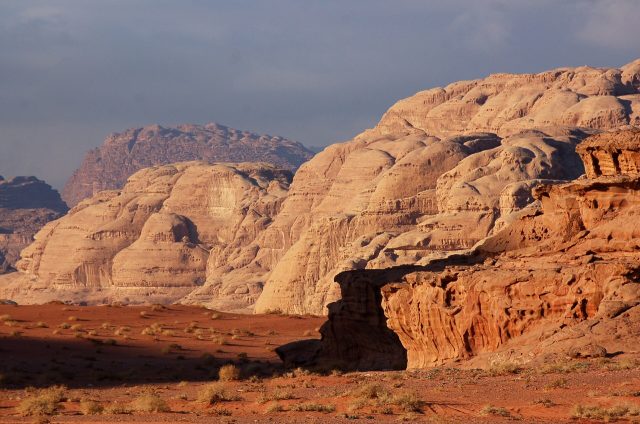
The desert here is often called the Valley of the Moon, and it’s easy to see why. The landscape feels otherworldly—towering cliffs of red and gold sandstone, deep canyons that seem to lead nowhere, and dunes that shift with every breeze. The Ram Arch, in particular, takes on a life of its own at dawn and dusk. As the sun dips low, the light bleeds across the stone, turning it from rust to amber to deep rose, while shadows stretch long and thin across the sand. The silence is almost tangible, broken only by the occasional whisper of wind or the distant call of a bird. There’s no need for grand gestures here; the desert speaks in subtleties.
Centuries ago, Wadi Rum was a crossroads for traders moving between Arabia, the Levant, and beyond. Caravans laden with spices, silk, and precious goods traversed these sands, guided by the stars and the knowledge of the Bedouin tribes who called this place home. The Ram Arch likely served as a landmark for these travelers, a fixed point in a shifting landscape. Some say it may have held spiritual significance as well, a natural shrine in a land where the divine feels close to the surface. Even today, the Bedouin maintain a presence here, their traditions woven into the fabric of the desert. Their hospitality is quiet but deep, offered without expectation—just as it has been for generations.
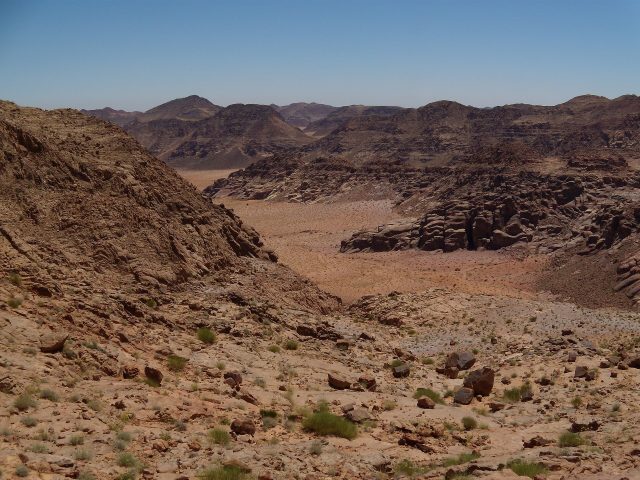
The desert holds layers of history, some so old they feel almost mythical. Long before the caravans, dinosaurs roamed these sands, their fossilized footprints still visible in the rock. Geologists believe that what is now a sea of sand was once an ancient ocean, its waves long since retreated but its memory preserved in the shells and coral embedded in the cliffs. The Ram Arch, then, is more than a geological curiosity; it’s a silent witness to epochs of change, a bridge between the world as it was and as it is now.
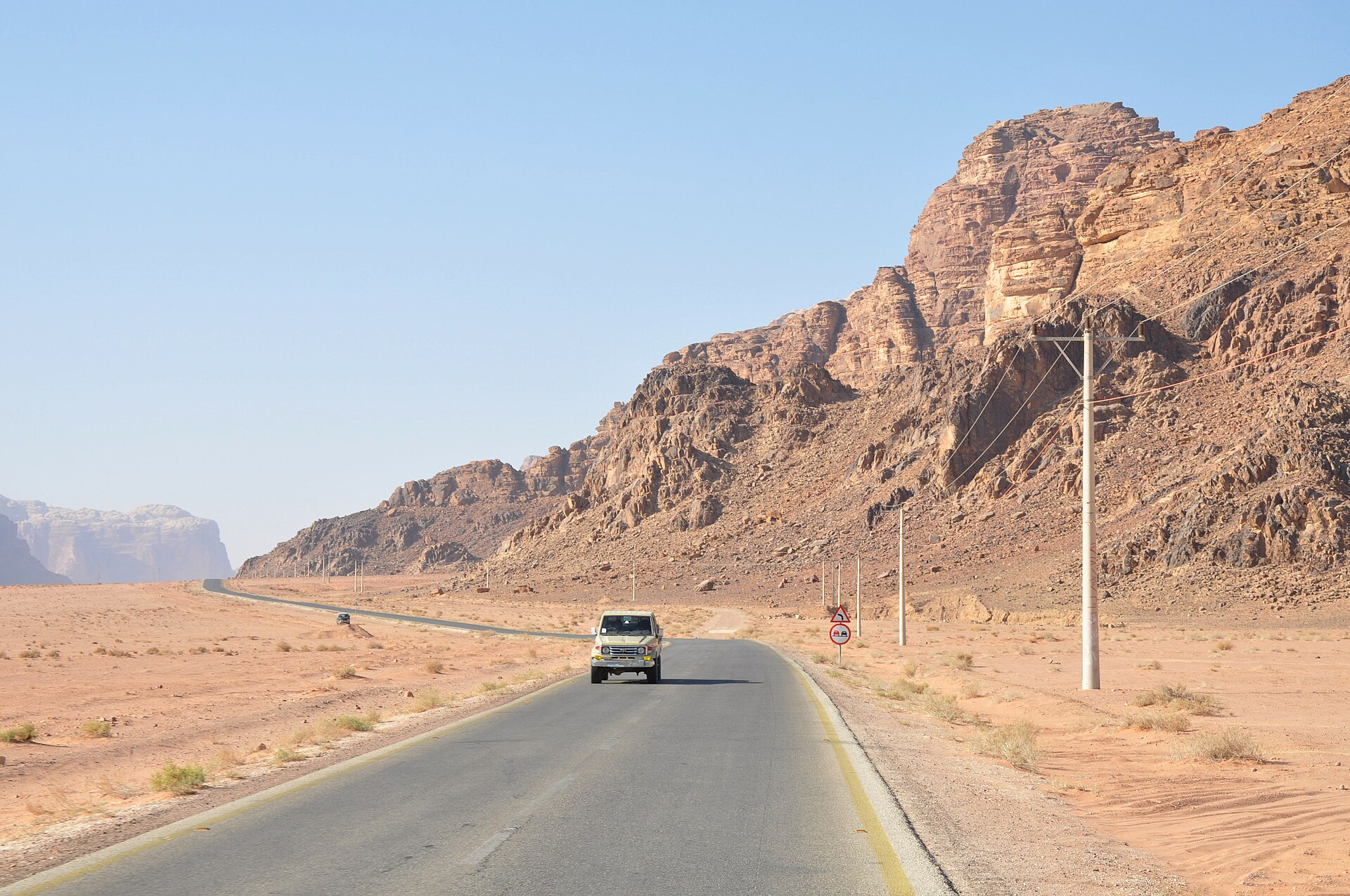
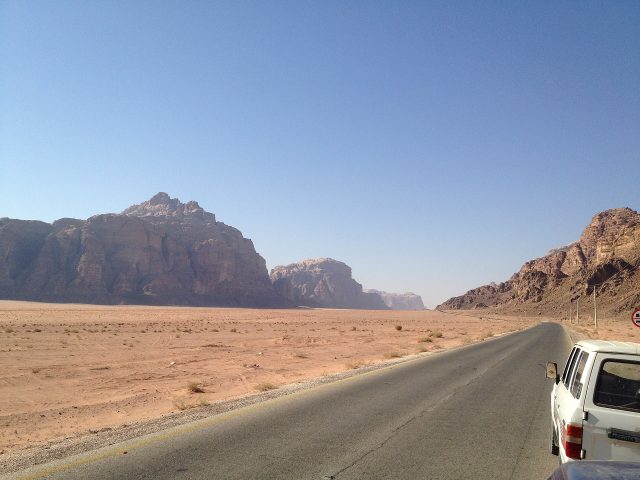
Reaching the arch isn’t a journey for the unprepared. The path winds through rough terrain where ordinary vehicles would struggle, and the desert doesn’t suffer fools lightly. Local guides, often from Bedouin families, know these routes by heart. They’ll point out the best vantage points for photographs, where to find shade when the midday sun is at its fiercest, and how to read the land’s moods—when the wind will pick up, where the sand is firm enough to walk on. Their stories aren’t the kind you’ll find in guidebooks; they’re passed down through generations, a mix of practical wisdom and folklore that makes the desert feel alive.
There are no crowds here. Even at the Ram Arch, you’re more likely to share the space with a handful of other travelers than with a tour group. The desert doesn’t cater to mass tourism; it demands something more—attention, respect, a willingness to slow down. Those who come here often do so for the silence, the sense of being untethered from the noise of the modern world. The arch itself is a perfect place to pause, to sit on the sand and watch the light shift across the stone, or to simply lie back and let the vastness of the sky press down on you.
Nightfall transforms the desert. If you stay after dark, the absence of artificial light reveals a sky so dense with stars it feels like you could reach up and pluck them from the air. The Milky Way stretches overhead, a luminous river cutting through the black. The Ram Arch, bathed in moonlight, takes on an almost ghostly quality, its edges softened by the dim glow. The silence deepens, too, becoming something you can almost touch. Some visitors choose to camp nearby, wrapped in blankets as the temperature drops, listening to Bedouin elders recount stories of the stars—how they guided travelers, how they once told the future, how they’ve watched over the desert since time began.
This is a place that resists haste. The desert doesn’t reward those who rush; it reveals itself only to those who are willing to wait. Minutes stretch into hours as you watch the colors of the rocks shift from gold to crimson to violet, or as you trace the path of a shadow creeping across the sand. There’s no agenda here, no itinerary to follow. You might spend an hour simply staring at the arch, or you might wander off to explore a nearby canyon, only to realize that the sun has moved far across the sky while you weren’t looking.
For many, the Ram Arch leaves a mark that lingers long after they’ve left. There’s something about the desert that strips away pretense, that forces you to confront the sheer scale of time and your own small place within it. The vastness of the landscape, the silence, the way the light plays across the stone—it all conspires to make you feel both insignificant and deeply connected to something larger. It’s not uncommon for visitors to return, not for the photographs or the bragging rights, but for that quiet sense of freedom, that feeling of being unburdened by the weight of the everyday.
The desert doesn’t give up its secrets easily, but it rewards those who listen. The Ram Arch is just one of many, a single note in a symphony of stone and sand. Each visit feels different, as if the land itself is revealing something new—a different angle of light, a hidden path, a story you hadn’t noticed before. It’s a place that stays with you, not because it’s loud or flashy, but because it’s honest. And in a world that often feels too full of noise, that kind of honesty is rare.