Kanakakunnu Palace is one of those rare places in Thiruvananthapuram where history isn’t just preserved in stone—it lingers in the air, almost tangible. Built in the late 18th century, it served as a summer retreat for the maharajas of Travancore, a small but influential princely state in southern India. Unlike the grand fortresses of the north, this palace was never meant to intimidate or overwhelm. Instead, it was a private sanctuary where rulers could step away from the weight of their duties and retreat into a world of quiet elegance. Today, it stands as a subtle reminder of an era when Travancore was a hub of political intrigue and cultural refinement, where local traditions blended seamlessly with European influences.
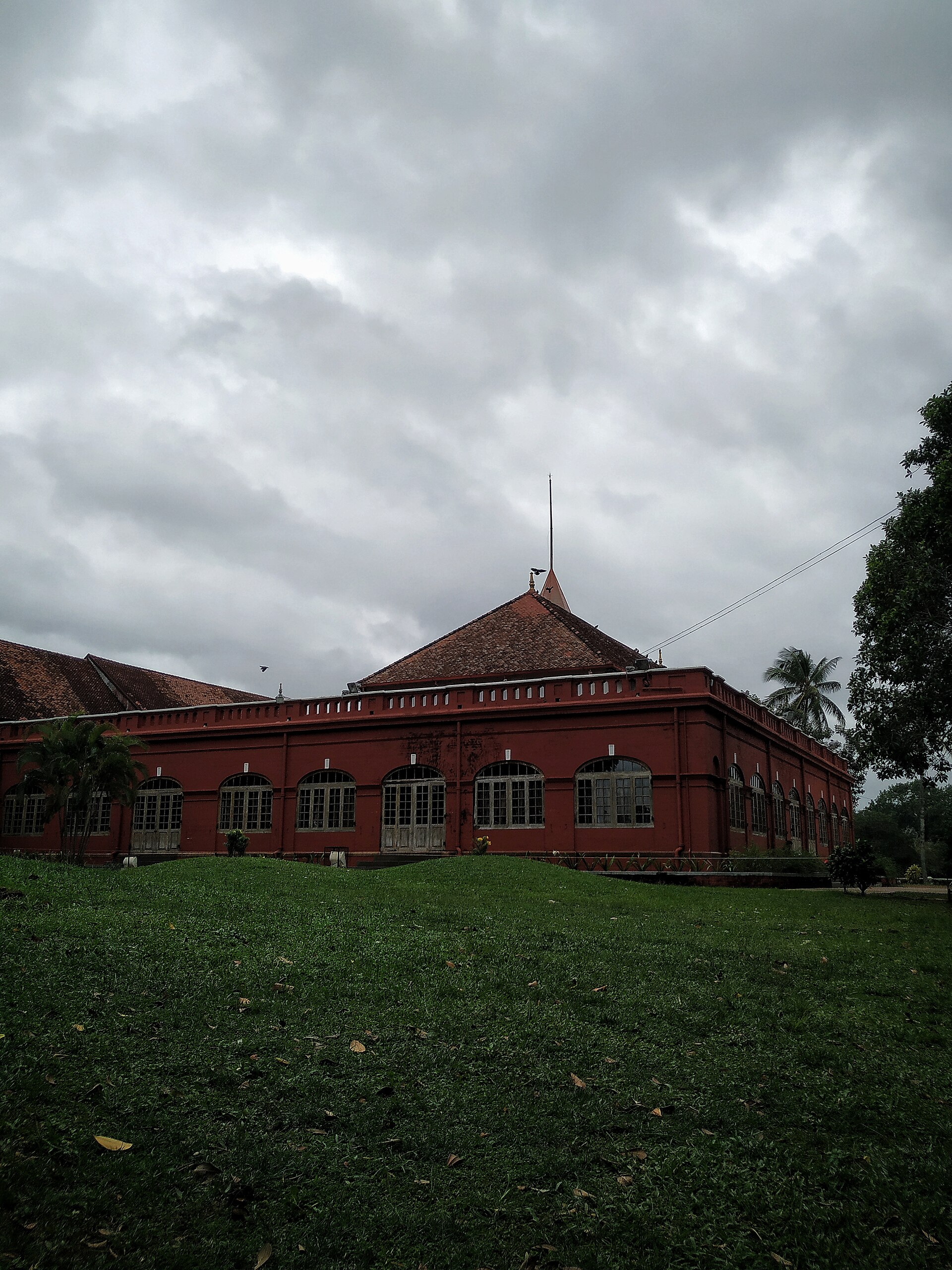
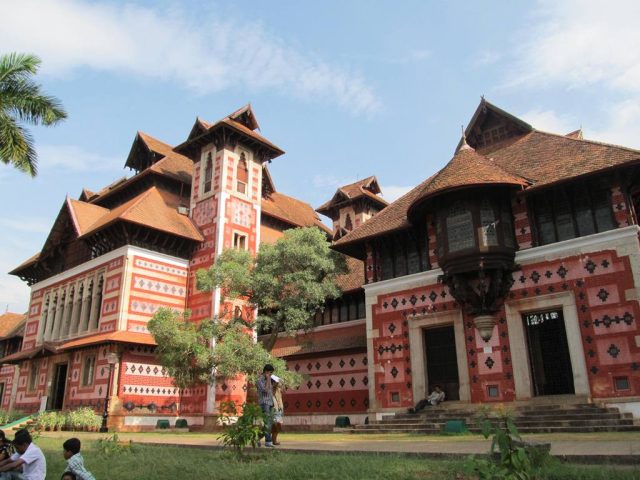
The architecture of Kanakakunnu is understated yet striking in its harmony. The palace follows the traditional Kerala style, with its sloping tiled roofs and wide verandas designed to shield against the tropical sun. But look closer, and you’ll notice the colonial touches—tall windows with wooden shutters, arched doorways, and delicate stucco work on the facades. Inside, the craftsmanship is even more evident: intricately carved wooden panels, painted ceilings, and antique furniture that transport visitors to a time when this was a living, breathing home. The rooms feel lived-in, not like a museum display, with their faded grandeur and the faint scent of old wood.
What makes Kanakakunnu special is its atmosphere. Tucked in the heart of the city, it feels worlds away from the noise and chaos outside. The gardens surrounding the palace aren’t just landscaped grounds—they’re a living part of its history. Some of the trees were planted by the maharajas themselves, and the old mango and jacaranda avenues still stand, offering shade just as they did centuries ago. Today, the gardens are a favorite spot for locals, who come to escape the heat, sit on benches under the sprawling branches, or stroll along the same paths once walked by royalty. There’s a sense of timelessness here, as if the palace and its grounds have simply carried on, undisturbed by the passage of years.
This was never a place of grand balls or dramatic political schemes. The maharajas came here to unwind, to spend time with family, and to entertain close friends in an intimate setting. That’s why the palace feels so personal—almost like stepping into someone’s home rather than a public monument. There are no imposing halls or gilded thrones; instead, the rooms are filled with the quiet details of everyday life from another era. A grandfather clock ticks softly in the corner, its hands frozen in time. Portraits of long-gone rulers watch silently from the walls. Leather-bound books line the shelves, their spines cracked with age. It’s easy to imagine the maharajas here, sipping tea on the veranda or discussing state affairs in the study, far from the formality of their official court.
Unlike many historic sites, Kanakakunnu isn’t a museum in the traditional sense. There are no rigid guided tours or plaques explaining every artifact. Visitors are free to wander, to touch the worn banisters, to sit in the same chairs where the maharajas once sat. Some rooms host small exhibits on Travancore’s history, but they’re subtle, never intruding on the palace’s serene atmosphere. The lack of crowds adds to the sense of discovery—you might find yourself alone in a room, listening to the creak of the floorboards and the distant hum of the city beyond the walls.
The palace is also a quiet witness to a lesser-known chapter of Indian history. Travancore was one of the few princely states where women ruled, and it was here, in the 19th century, that some of India’s earliest social reforms took root. The maharajas of Travancore weren’t just figureheads; they were progressive leaders who challenged caste discrimination and pushed for education and women’s rights. Their legacy isn’t just in the palace’s architecture but in the very air of the place—a sense that this was where history was made, not just observed. Walking through the halls, you can almost feel the weight of the decisions made here, the quiet revolutions that shaped a region.
Visiting Kanakakunnu is like stepping into a different India—one without the crowds, the noise, or the relentless pace of modern tourism. It’s just a short walk from the bustling streets of Thiruvananthapuram, but the moment you cross the threshold, the city’s chaos fades away. The palace exists at its own rhythm, unhurried and unchanging. For locals, it’s a beloved escape, a place to reconnect with the past and find a moment of peace in the middle of a busy city. For visitors, it’s a rare opportunity to experience history without the usual fanfare, to feel like you’ve stumbled upon something authentic and untouched.
Kanakakunnu doesn’t try to be Kerala’s most famous attraction, and that’s what makes it special. It doesn’t need to dazzle or impress—it simply is. A quiet guardian of the past, it offers its stories to those who are willing to listen. For some, it’s just a beautiful old building. For others, it’s a window into a bygone era. And for a few, it’s a place where time slows down, where the present fades, and the past feels almost within reach. No matter how you experience it, leaving Kanakakunnu always feels like saying goodbye to something real—a piece of history that refuses to be forgotten.