Padmanabhaswamy Temple sits at the heart of Thiruvananthapuram, a city where the past lingers in the air like the scent of incense. For those who walk its stone-paved courtyards, the temple is more than a place of worship—it is a living chronicle of faith, power, and the quiet endurance of tradition. The name itself comes from the central deity, Vishnu, depicted in a state of cosmic repose upon the serpent Ananta, a sight that dominates the inner sanctum. The statue, crafted with meticulous detail, is said to be one of the largest of its kind in India, though only a fortunate few will ever see it up close. The temple’s origins stretch back over a thousand years, woven into the fabric of kingdoms that once ruled these lands, where religion and governance were inseparable.
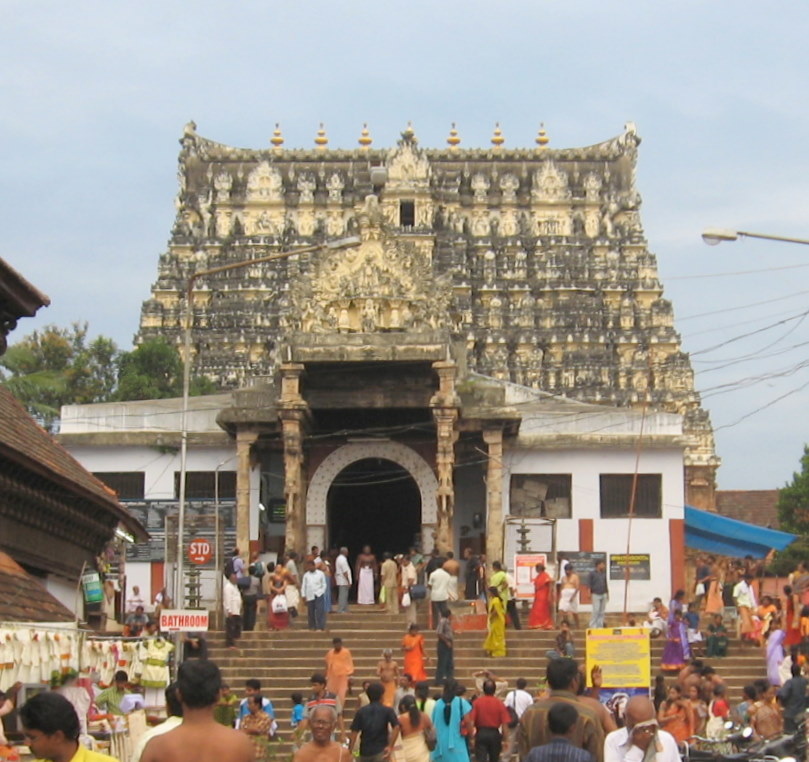
The architecture here is a testament to the skill of Kerala’s craftsmen, blending the grandeur of Dravidian temple design with the region’s own aesthetic sensibilities. Massive granite walls rise from the earth, their surfaces worn smooth by centuries of monsoons and human touch. The gopurams, those towering gateways adorned with intricate carvings of gods and mythical creatures, stand as silent sentinels over the city. The eastern gopuram, in particular, is a marvel—its tiers of sculptures catching the light at dawn, casting long shadows that seem to whisper stories of the past. Inside, the temple unfolds like a maze of courtyards, pillared halls, and smaller shrines, each with its own purpose and history. Nothing here is accidental; even the alignment of the corridors follows ancient rituals, preserved through generations with unwavering devotion.
The temple’s history is inseparable from that of the Travancore dynasty, which ruled these lands for centuries. Legends place its founding in the 8th century, though the earliest written records appear much later. What is certain is that the rulers of Travancore declared themselves servants of Padmanabha, the temple’s presiding deity, a tradition that endures in name even today. The current maharaja of Travancore remains the temple’s titular guardian, though real authority now rests with the state. In 2011, the temple captured global attention when vast treasures—gold, jewels, and sacred artifacts—were discovered in its underground vaults. The find confirmed what many had long suspected: that Padmanabhaswamy is one of the wealthiest religious sites in the world. Yet it also raised difficult questions about how such a legacy should be protected in an age of rapid change.
For visitors, the temple offers a rare sense of stillness. Unlike the bustling temples of Varanasi or Madurai, where the air hums with activity, Padmanabhaswamy moves to a slower rhythm. The courtyards are quiet, broken only by the murmur of prayers or the occasional toll of a bell. Access to the inner sanctum is restricted—only Hindus may enter, and even then, only after undergoing purification rituals. For others, the temple reveals itself in fragments: the play of light on stone carvings, the scent of sandalwood and camphor drifting from the altars, the sight of priests performing ancient rites. One of the most striking moments comes at dusk, when the sacred flame is carried through the halls, its flickering glow illuminating the faces of devotees and the centuries-old pillars that surround them.
The temple is deeply embedded in Kerala’s cultural life, serving as the stage for some of the state’s most important festivals. During Painkuni Ponnunall, an annual celebration, the temple grounds transform into a sea of flowers and garlands, while processions of caparisoned elephants and traditional musicians wind through the streets. Even those unfamiliar with Hindu traditions find themselves drawn into the spectacle, where the boundaries between the sacred and the everyday blur. The festival is a reminder that the temple is not just a relic of the past but a living part of the community, its rhythms syncing with the seasons and the lives of those who call this place home.
Yet Padmanabhaswamy is not without its controversies. The discovery of its hidden wealth sparked debates about ownership, preservation, and the role of religion in modern India. Some see the temple as a symbol of the country’s spiritual heritage, a treasure to be safeguarded at all costs. Others view it as a relic of a more hierarchical era, where access to the divine was tightly controlled. These tensions remain unresolved, but the temple itself seems untroubled by them. It stands as it always has, a silent witness to the passage of time, its stones bearing the weight of centuries without complaint.
A visit here is less about ticking off a tourist attraction and more about stepping into a different pace of life. The temple’s courtyards invite lingering—whether to trace the outlines of a carving with your fingers, listen to the stories of locals who speak of miracles attributed to the deity, or simply sit beneath the sprawling branches of an ancient banyan tree. There is no rush, no sense of urgency. The hours pass unnoticed, marked only by the shifting light and the distant sound of chanting. In a world that moves too quickly, Padmanabhaswamy offers a rare gift: the chance to slow down, to breathe, and to feel the quiet pulse of history beneath your feet. It is a place where the past is not just remembered but still very much alive.