The Napier Museum in Thiruvananthapuram is one of those rare places where India’s layered history intersects with European influences, creating something quietly extraordinary. Established in the mid-19th century, when the city was still known as Trivandrum and served as the capital of the princely state of Travancore, the museum was the vision of Maharaja Uthram Thirunal. His ambition wasn’t just to preserve the cultural heritage of his kingdom but to present it to the world through the lens of contemporary museum practices. The building was completed in 1880 under Lord Napier, then Governor of Madras, whose name it bears—a subtle nod to the colonial era that shaped its creation.
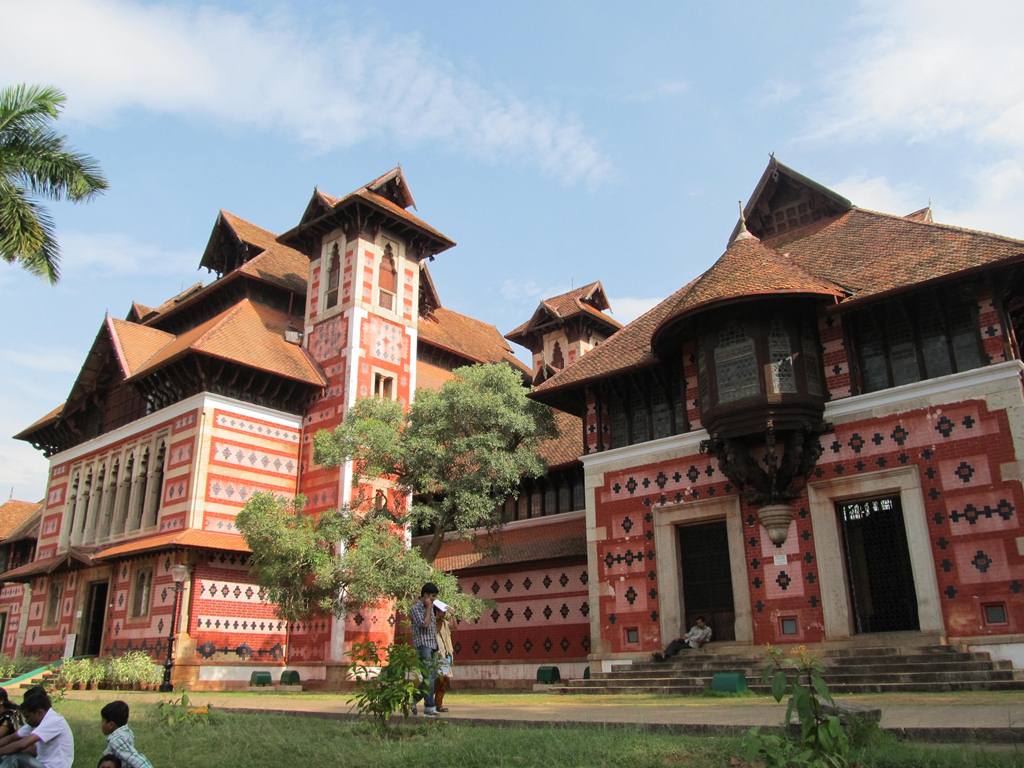
The museum’s architecture is as much a draw as its collections. Designed in the Indo-Saracenic style, which was fashionable across British India at the time, the building blends traditional Indian elements with Gothic and neo-Gothic flourishes. Tall arches, intricate balconies, and domes give it an airy elegance, while the roof’s multicolored tiles make it instantly recognizable from a distance. The surrounding gardens offer a quiet retreat, where visitors can wander beneath the shade of trees after exploring the exhibits, the cool air a welcome respite from the city’s heat.
Inside, the museum holds a collection that has grown over decades, reflecting the rich cultural tapestry of South India. Ancient sculptures, Chola-era bronzes, rare coins, and centuries-old manuscripts share space with everyday objects that reveal the lives of people across social strata. Among the most striking exhibits are those tied to Travancore’s royal history—elaborate garments worn by maharajas, ceremonial weapons, jewelry, and even the ornate chariots once used in religious festivals. The craftsmanship of some pieces is breathtaking, particularly the intricate wood carvings and delicate jewelry, which hint at the skill of artisans long gone.
One of the museum’s most prized sections is its collection of bronze sculptures, created between the 8th and 16th centuries. These works represent a golden age of South Indian art, when craftsmen achieved remarkable precision in depicting human form and emotion. The figures—gods and goddesses from the Hindu pantheon—are so lifelike that they seem poised to step out of their stillness. The statue of Nataraja, the dancing Shiva, is especially revered, considered one of the finest examples of its kind. Beyond their artistic merit, these sculptures offer a glimpse into the religious and philosophical ideas that shaped the region’s identity.
While the permanent collection is reason enough to visit, the Napier Museum also hosts temporary exhibitions that explore everything from Kerala’s traditional crafts to contemporary Indian art. Occasionally, the museum organizes lectures and workshops, where visitors can learn about ancient techniques or the symbolism behind historic murals. Guided tours are available for those who want a deeper dive, though many prefer to explore at their own pace, lingering over the exhibits that catch their eye.
In recent years, the museum has embraced modernity without losing its historical essence. Interactive displays now invite visitors to engage more actively, particularly younger ones. Reconstructions of ancient workshops and hands-on stations where visitors can try their hand at woodcarving make the past feel tangible. These additions ensure the museum remains a living space, where history isn’t just observed but experienced.
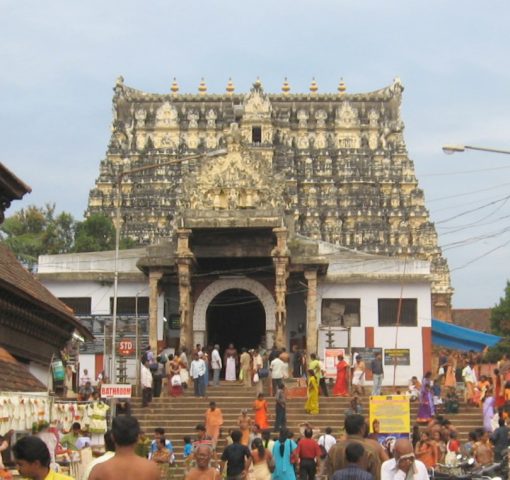
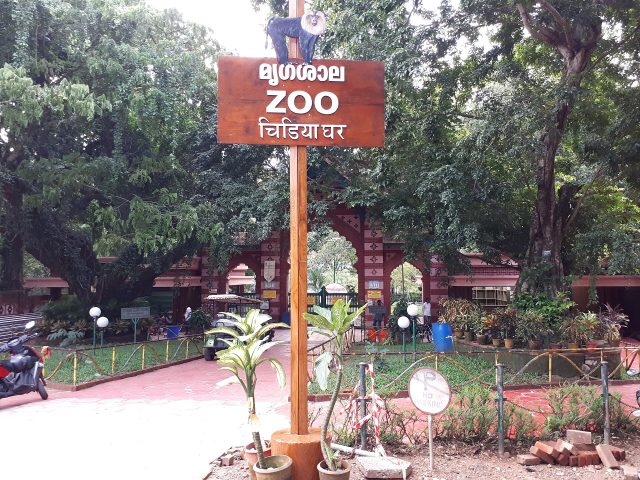
A visit to the Napier Museum is also a chance to soak in the atmosphere of Thiruvananthapuram itself—a city where tradition and modernity coexist. Hindu temples stand alongside colonial-era buildings, and narrow lanes of the old town give way to broad avenues. The museum is conveniently located near other landmarks, like the Padmanabhaswamy Temple and the city’s zoo, making it easy to include in a day of sightseeing. Nearby cafes and small shops offer a place to rest and reflect on what you’ve seen, the hum of the city a gentle backdrop to quiet contemplation.
What makes the Napier Museum special is its understated charm. Unlike some of India’s more famous museums, it’s rarely crowded, allowing visitors to take their time. The building itself exudes a quiet, almost timeless quality, as if inviting you to step into the past. For those with an interest in Indian history, it’s a treasure trove; for others, it’s a pleasant surprise—a place that lingers in the memory long after you’ve left.