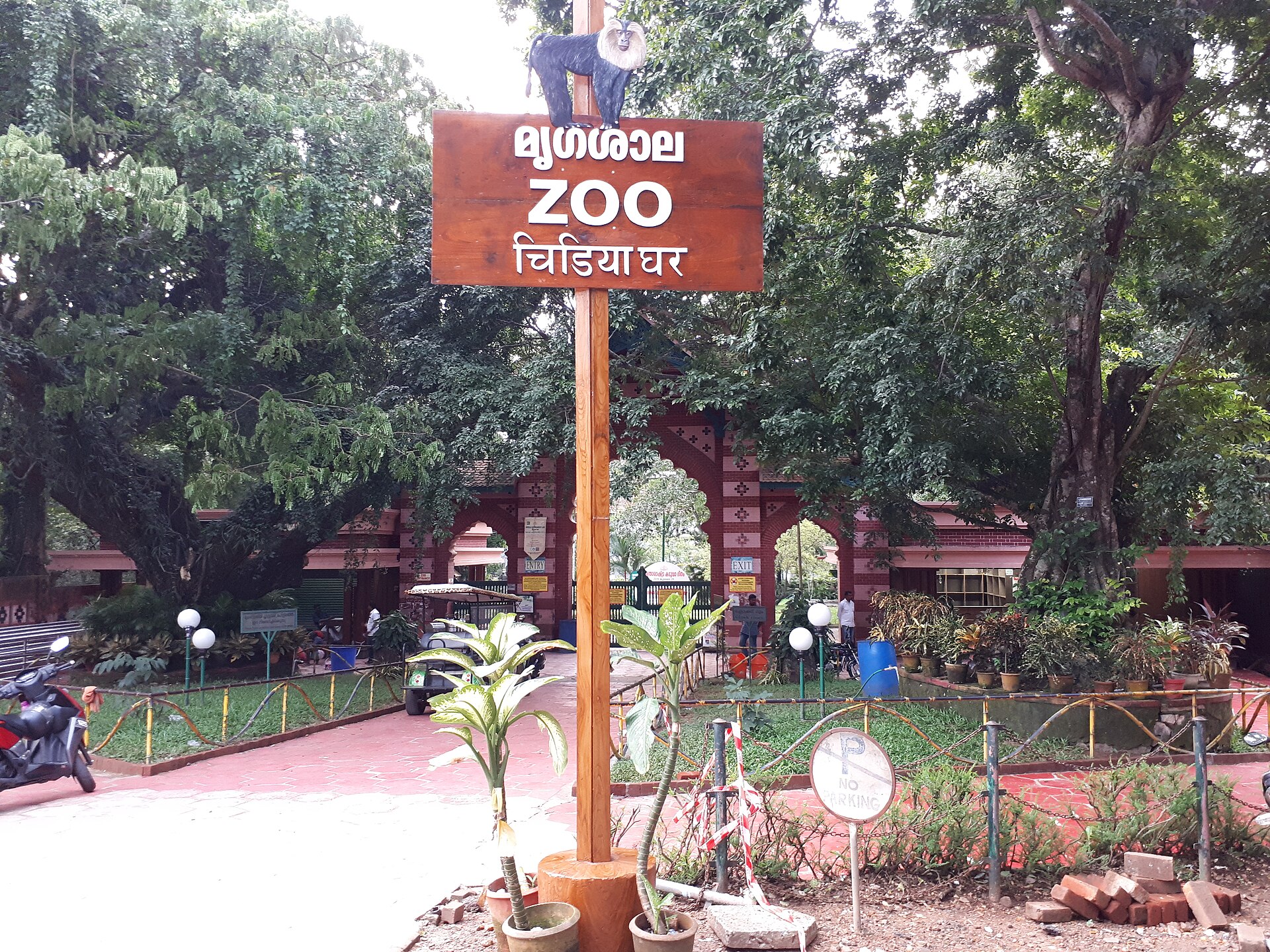
Thiruvananthapuram’s zoo is one of those rare places where history and nature seem to breathe as one, as if time moves at its own unhurried pace. Nestled in the heart of Kerala’s capital, it first opened in the late 19th century, when India was still under British rule. Back then, zoos weren’t built for entertainment but for scientific study and the preservation of rare species. Walking along its stone-paved paths and past the old enclosures, you can almost feel the weight of that era—some structures look as though they’ve stood unchanged since the days of the first curators.
The zoo sprawls across rolling terrain, designed to give its animals as much space and comfort as possible. Unlike modern zoos with their open-air habitats and artificial landscapes, this one still carries traces of an older approach—thick stone walls, iron bars, and a sense that attitudes toward captivity have shifted over the decades. That doesn’t mean the conditions are outdated, though. The zoo has evolved to meet contemporary standards while keeping some of its original character.
Among its residents are elephants, lions, tigers, and leopards, alongside a diverse collection of birds, reptiles, and primates. What makes this zoo special is its focus on local wildlife. You’ll find species native to southern India, like the Indian rhinoceros and the Nilgiri tahr, a mountain goat that roams the Western Ghats. Some of these animals are endangered, and the zoo plays a key role in conservation, taking part in international breeding programs to help protect them.
Beyond the animal enclosures, the zoo includes a botanical garden filled with exotic plants. Rare orchids bloom alongside towering trees whose canopies offer shade even in the midday heat. Walking through these paths feels like stepping into a jungle, where every turn reveals something new. The monsoon season transforms the place entirely—lush greenery thrives, and the air is thick with the scent of damp earth and flowers.
The zoo is deeply tied to Thiruvananthapuram’s history. It was founded in 1857 at the initiative of the local ruler, Maharaja Uthram Thirunal, who wanted to create a place where science, education, and leisure could coexist. At the time, zoos were still a novelty, even in Europe, so its establishment was a significant event. Over the years, it grew from a scientific institution into a beloved public space, drawing both locals and visitors.
Today, the zoo attracts more than just animal lovers. It’s a place where history and culture intersect, with educational programs for children, guided tours, and talks on wildlife conservation. On weekends, families, students, and curious travelers fill the paths, turning the zoo into a lively gathering spot.
Despite being in the middle of a bustling city, the zoo has a remarkably peaceful atmosphere. The animals go about their routines, the trees grow slowly, and visitors naturally slow down as they wander the paths. There’s something about the place that makes the noise of the city fade away, offering a moment of quiet connection with nature.
This isn’t just a collection of animals—it’s a living museum where every detail tells a story. You can see how attitudes toward wildlife have changed over the past century and a half, how science has advanced, and how people have learned to coexist with the natural world. While modern zoos strive to create more natural habitats, Thiruvananthapuram’s zoo retains a sense of the past, reminding us that nature isn’t just a resource but a legacy worth protecting.