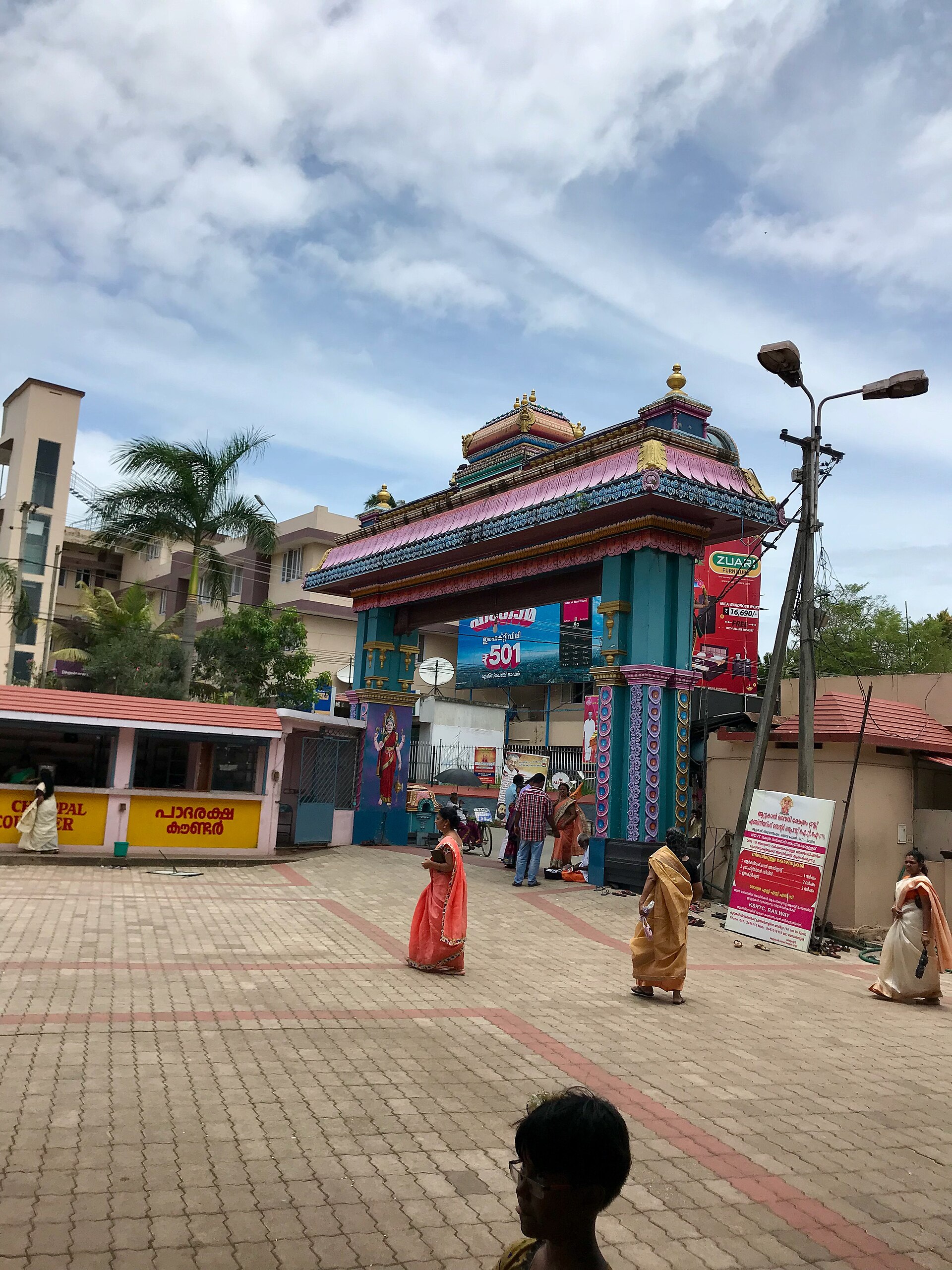
Attukal Bhagavathy Temple is one of those rare places where faith and daily life intertwine so seamlessly that it’s hard to tell where one ends and the other begins. Tucked away in the heart of Thiruvananthapuram, Kerala’s capital, it isn’t just a religious site but a living piece of the region’s cultural fabric. Unlike the grand, gilded temples that often come to mind when thinking of India, Attukal has a quiet, unassuming presence. There are no towering spires or ornate carvings here—just a sense of time moving differently, as if governed by something older than clocks.
The temple’s origins are shrouded in legend, with no clear record of when it was first established. What is known is that it honors Bhagavathy, a form of the Great Mother goddess revered across southern India. Local stories speak of her appearing in these parts as a young girl, seeking refuge from those who would harm her. The villagers who took her in were blessed for their kindness, and the temple became a symbol of her grace. Unlike many other temples in India, Attukal has always been open to all—regardless of caste, gender, or background—so long as they arrived with sincerity.
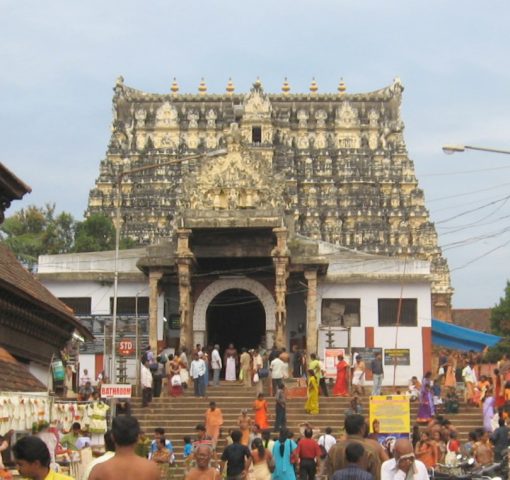
The architecture is simple, reflecting Kerala’s practical aesthetic. The main shrine is a modest stone structure with sloping tiled roofs, designed more for function than spectacle. Around it stretches a spacious courtyard where, on any given day, you might find women preparing offerings, children playing under the shade of ancient trees, or elders resting on stone benches. Inside, the walls are adorned with faded murals depicting gods and mythological scenes, while oil lamps flicker near the altar. There’s no opulence here, just an unmistakable sense of authenticity.
The temple’s global fame comes from Pongala, an annual festival that draws hundreds of thousands of women from across Kerala and beyond. Over the course of a few days, the area around the temple transforms into an open-air kitchen, with women cooking a sacred porridge of rice, coconut milk, and jaggery in clay pots. The air fills with the scent of spices and roasted rice, while the streets hum with prayers and songs. In 1997, Pongala earned a place in the Guinness World Records as the largest gathering of women in the world, a testament to the festival’s scale and significance.
Yet Attukal Bhagavathy Temple is more than just a pilgrimage site. It serves as a vital community hub, hosting everything from charitable events to life-cycle rituals like weddings and naming ceremonies. Educational programs for women and children are held here, and the temple grounds often become a meeting place for people from all walks of life—farmers, scholars, laborers—united by shared devotion. It’s a place where the sacred and the everyday blur, where anyone can find solace or answers.
Thiruvananthapuram itself is a city of contrasts, where modern office buildings stand alongside ancient temples, and bustling markets give way to quiet, tree-lined lanes. The temple sits in one of the older neighborhoods, where narrow streets are still lined with wooden-balconied houses and the occasional cow ambles past. Nearby, a small market sells flowers, incense, and traditional sweets—everything one might need for a ritual, or simply for a moment of quiet observation.
Visiting the temple doesn’t require any special preparation, just a respect for local customs. Shoes must be removed before entering, photography inside the shrine is discouraged, and modest clothing is appreciated. Once inside, the atmosphere is peaceful, almost meditative. You can sit on the stone steps, watching as women arrange flowers before the altar, or simply listen to the soft chime of bells and the murmur of prayers. Time seems to slow here, and even a brief visit can leave a lasting sense of calm.
Attukal Bhagavathy Temple isn’t the kind of place that dazzles at first glance. Its power lies in something quieter, something woven into the very stones and trees around it. This is a place where faith isn’t performed but lived—in the way hands fold in prayer, in the scent of offerings, in the shared silence of those who come seeking something beyond the ordinary. There’s no room here for superficial tourism or empty rituals. People come not for spectacle, but for the chance to touch something enduring, something that persists even as the world around it changes.