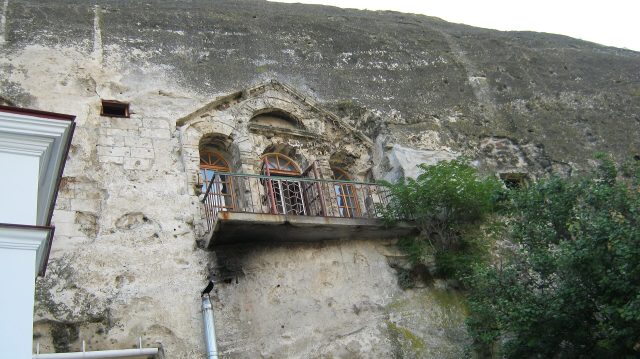
Inkerman Quarry is one of those places where history feels almost tangible, as if the layers of time have settled into the very stone beneath your feet. Tucked away near the quiet Crimean town of Inkerman, this site is more than just a former limestone mine—it’s a landscape shaped by centuries of human labor, war, and quiet resilience. The quarry’s sheer cliffs and deep, still waters create an atmosphere that’s equal parts rugged and serene, a place where nature and history intertwine without fanfare.
The story of Inkerman Quarry begins long before the first industrial chisels touched the rock. The limestone here was prized for its durability and softness, making it ideal for construction. Over the centuries, it was used to build everything from the fortifications of nearby Sevastopol to the grand palaces of the Russian Empire. The stone’s pale, almost creamy hue gave it a certain elegance, and its ease of carving made it a favorite among stonemasons. By the 19th century, the quarry had become a major supplier of building material, fueling the growth of Crimea’s cities and leaving behind the vast, open pits that define the site today.
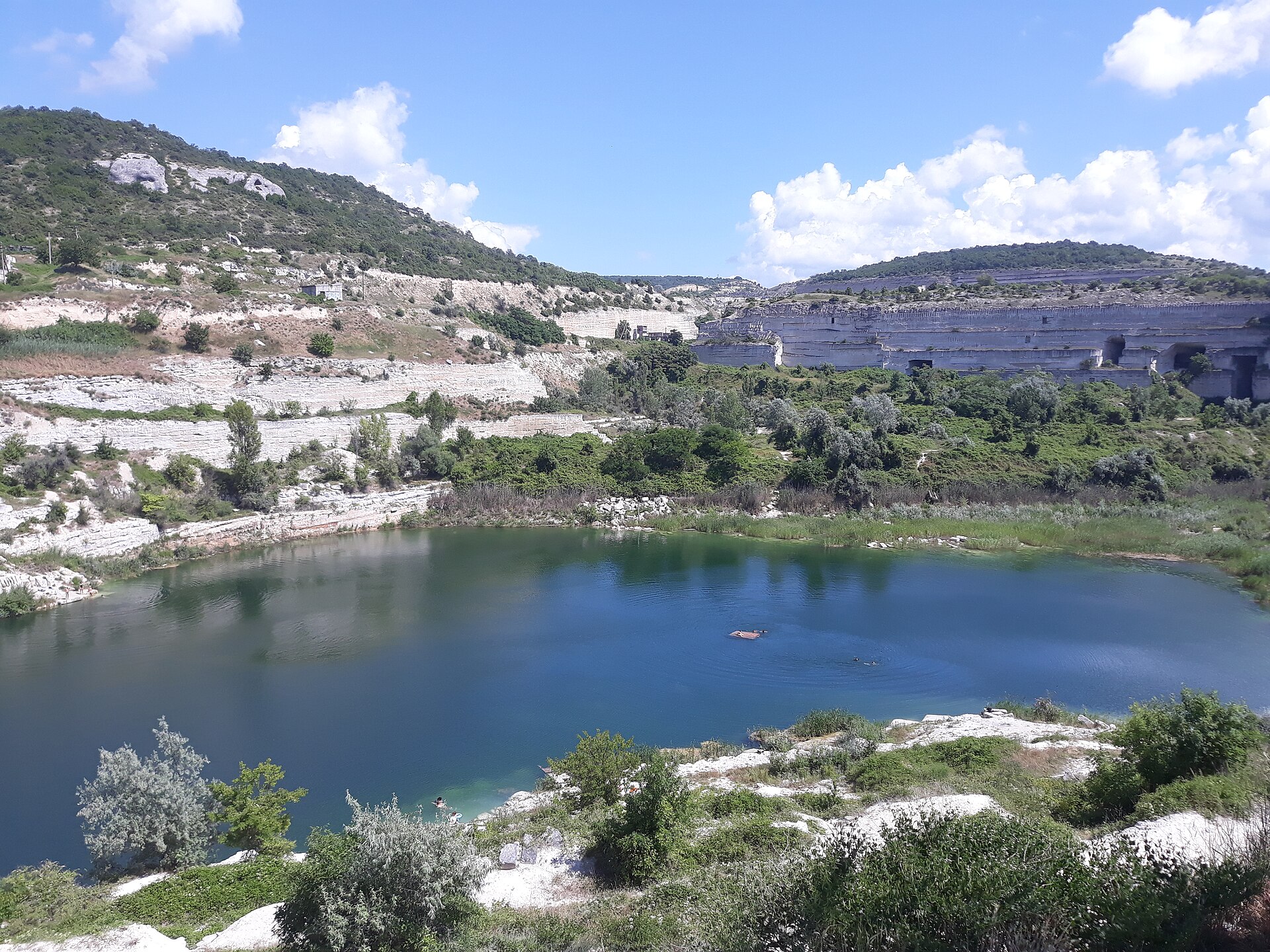
What makes the quarry particularly striking is how its industrial past has been reclaimed by nature. The deep excavations, some filled with water from underground springs, have become almost lake-like, their surfaces mirroring the towering cliffs above. The contrast between the raw, jagged edges of the stone and the smooth, reflective water creates a sense of stillness that’s hard to find elsewhere. It’s easy to imagine the quarry workers of the past pausing here, their tools laid aside for a moment, as they took in the same quiet beauty that visitors do now.
The quarry also carries the weight of more recent history. During World War II, the site was a strategic point in the defense of Sevastopol, and the scars of that conflict are still visible in the form of abandoned bunkers and trenches. These remnants, half-swallowed by the earth, add another layer to the quarry’s story—one of conflict and survival. Walking among them, it’s impossible not to feel the echoes of the past, the tension of a place that was once a battleground now softened by time.
Beyond its historical significance, Inkerman Quarry has a certain understated charm that makes it worth visiting. There are no grand monuments or tourist attractions here, just the quiet interplay of stone, water, and sky. The cliffs, worn smooth by time and weather, rise dramatically from the water’s edge, their surfaces marked by the faint grooves of old mining tools. In some places, the rock formations take on almost sculptural shapes, as if nature itself had a hand in carving them.
The quarry is also a place of contrasts. On one side, you have the raw, industrial feel of the mining past—massive stone walls, abandoned machinery, and the occasional rusted rail track. On the other, there’s the tranquility of the water-filled pits, where the only sounds are the occasional ripple of water or the cry of a bird overhead. This duality gives the site a unique character, one that shifts depending on where you stand and what you choose to focus on.
For those who visit, the quarry offers a chance to step away from the more polished tourist spots of Crimea and experience something more authentic. There are no guided tours or souvenir stands here, just the open landscape and the stories it holds. It’s a place to wander, to sit by the water’s edge, or to simply take in the vastness of the cliffs. The light here changes with the time of day, casting long shadows in the morning and bathing the stone in a warm glow by evening.
Inkerman Quarry may not be the most famous site in Crimea, but that’s part of its appeal. It’s a place where history isn’t just preserved in museums or monuments but is alive in the very land itself. Whether you’re drawn by the industrial past, the wartime stories, or simply the quiet beauty of the landscape, the quarry offers a glimpse into a side of Crimea that’s often overlooked. It’s a reminder that some of the most compelling places aren’t the ones that shout for attention, but the ones that let you discover them at your own pace.