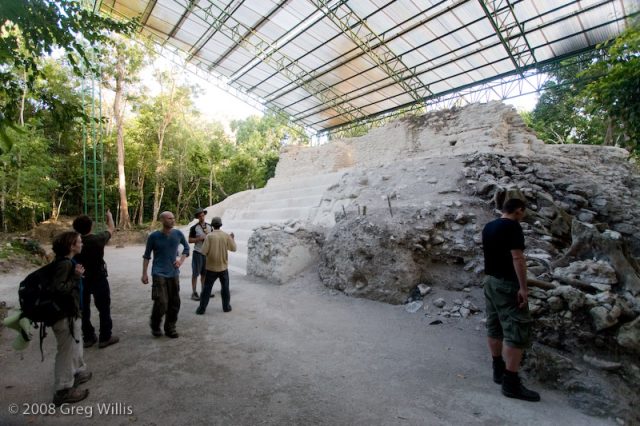
Nestled along the shores of Lake Petén Itzá, Ixlu is a small settlement where the past lingers in the air like morning mist over the water. It sits near Flores, Guatemala’s Petén department, yet feels apart from the usual tourist paths. The village has low-slung houses, dusty roads, and a pace of life that moves with the rhythm of the lake. Beneath its surface lies a history that stretches back centuries, where Maya traders, Spanish conquistadors, and local communities left their mark.
Before the Spanish arrived, Ixlu was a key stop along trade routes connecting Tikal with other Maya cities. Archaeologists have found temples, stelae, and residential structures from the Classic period (3rd to 9th centuries). Today, these appear as grassy mounds covered in trees and undergrowth—remnants of a place once busy with activity.
The Spanish arrival in the 16th century gave Ixlu new significance. The region became one of the last strongholds of Maya resistance. The lake and its surroundings were among the final holdouts against conquest, with Ixlu serving as a staging point for expeditions toward Tayasal, the last independent Maya city, which fell in 1697. The Spanish used it as a supply base and trading post. Few traces remain, but stories of this period survive in local memory.
Time moves slowly in Ixlu. There are no grand hotels or tourist traps—just small shops, a simple church, and local eateries serving fried fish, fresh tortillas, and tropical fruit. Most visitors pass through on their way to Tikal or the lake’s popular spots. Those who stay find a community that lives much as it always has: fishing, farming, and crafting goods by hand.
The lake is central to life here. Lake Petén Itzá is one of Guatemala’s largest, surrounded by dense jungle. The water is clear and warm. Local fishermen offer boat rides to a small island where Maya structures stand half-reclaimed by the forest. During the rainy season, the jungle fills with the sounds of howler monkeys, birds, and frogs at night.
Ixlu isn’t for those seeking excitement. There are no souvenir stalls or guided tours. Instead, it offers a chance to step into a corner of Guatemala untouched by time. Walking its quiet streets, you might imagine Maya traders passing through or Spanish soldiers preparing for another campaign. The village doesn’t try to impress; it simply exists.
For those interested in Maya culture, Ixlu is a gateway to the region’s past. From here, you can reach Tikal, Yaxchilán, and other archaeological sites. Local guides share stories about traditions and legends. Even within the village, there’s plenty to see: a small open-air museum displays artifacts from excavations, and nearby workshops produce traditional textiles and pottery.
What makes Ixlu special is its authenticity. It doesn’t perform for visitors. You can watch the sunset over the lake, listen to elders’ stories, or sit by the water. It’s for those who want to experience Guatemala beyond the postcards—where the past speaks for itself.